

The Gulf is America’s energy shock absorber
Premium domains for sale
Freedom Is Back In Style
The war with Iran has exposed the value of energy abundance. When a major shipping route goes down, domestic supply and reliable infrastructure buy a country room to maneuver.
Freedom Is Back
In Style
Premium domains for sale
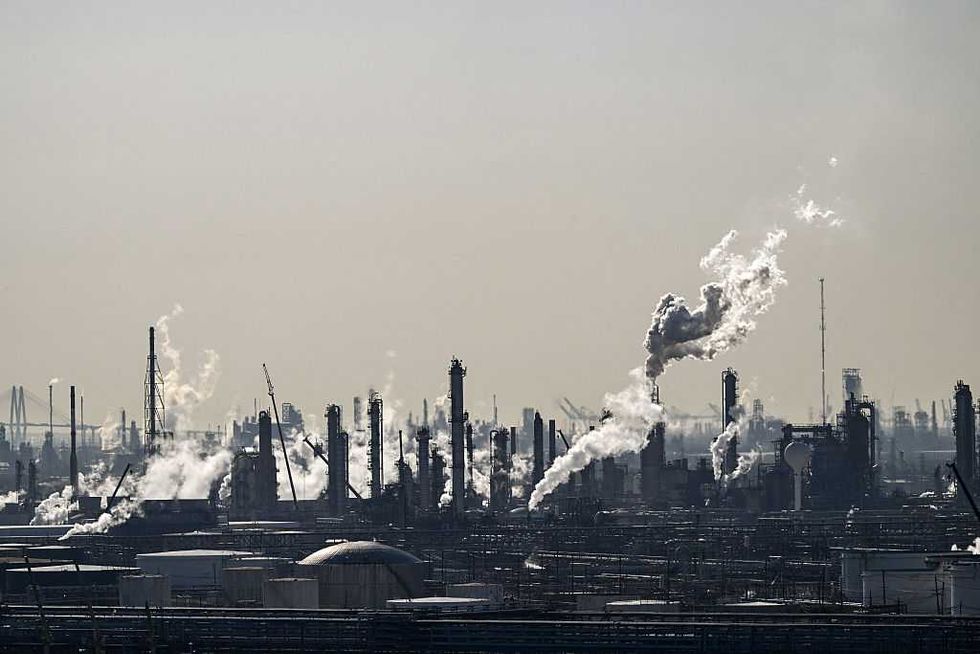
Before the conflict, roughly one-fifth of global petroleum liquids moved through the Strait of Hormuz. Its disruption became the largest oil-supply shock on record. The shock has been severe, but the United States entered it from a position few countries enjoy: record domestic production and a mature system of pipelines, refineries, ports, storage facilities, and export terminals.
The lesson from the Iran conflict is straightforward. Energy security requires abundant and diverse domestic supply, reliable supply chains, and infrastructure that can absorb a shock.
U.S. crude oil output is on track to set another annual record this year, according to the Energy Information Administration. Natural gas production has also reached record levels. That domestic cushion cannot insulate Americans from a global oil shock, but it can keep a bad situation from becoming worse.
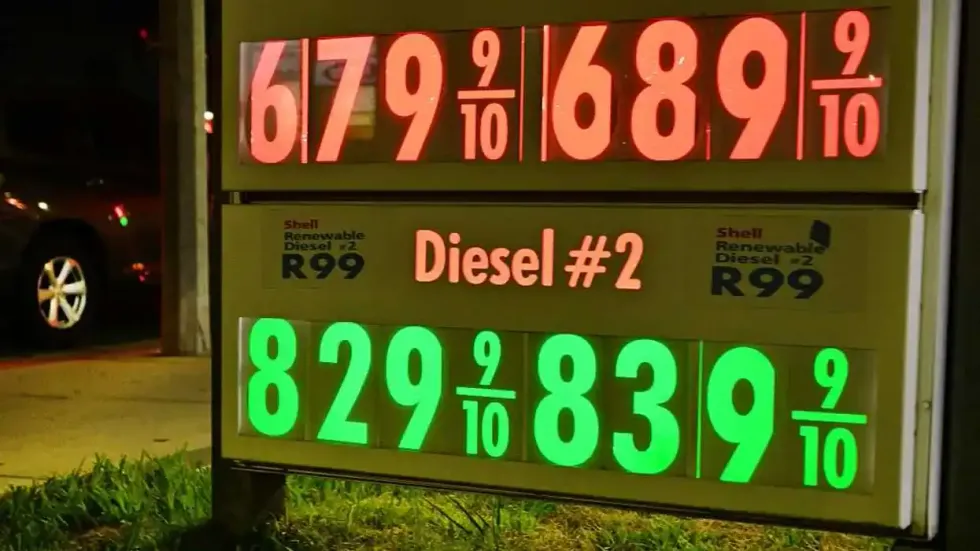
The crisis also exposes the weakness of two familiar responses. Broad accusations of price-gouging are a poor substitute for understanding how energy markets work. Crude prices can jump immediately, and retail gasoline prices can follow as wholesalers and stations reprice the cost of replacement fuel, even though physical barrels still move through refineries, pipelines, terminals, and trucks.
A ban on U.S. crude exports would create a different problem. American producers often export lighter crude, while many domestic refineries are configured to process heavier grades. Disrupting that trade would not magically produce more gasoline. It could strand some domestic barrels, reduce the incentive to produce them, and weaken the same supply response that helps cushion global shocks.
Florida makes the larger point especially well. It is one of the nation’s biggest electricity consumers, and its energy system already depends on several sources.
More than 70% of Florida’s in-state electricity generation came from natural gas in 2025, while nuclear supplied more than one-tenth and renewables about 12%. Nearly all the natural gas Florida consumes arrives from the Gulf Coast through interstate pipelines. The state’s size and growth make energy resilience a practical necessity, not an abstraction. Florida’s energy profile is a case study in why diversity and infrastructure both count.
Florida also sits beside one of America’s largest strategic energy assets: the Gulf of America. The Gulf supplies about 14% of U.S. crude oil production and supports extensive offshore infrastructure, deepwater ports, processing facilities, and an experienced energy workforce.
That does not mean energy security begins and ends with drilling. Responsible offshore development in the Gulf should be part of the strategy, alongside expanded nuclear power, continued growth in renewables, stronger transmission and pipeline capacity, and the storage and port infrastructure needed to move energy when normal routes are disrupted.
RELATED: The diesel panic cure could make the disease worse
 Frederic J. BROWN/AFP/Getty Images
Every energy source carries environmental costs. Limiting domestic oil and gas production does not eliminate demand; it can move production to countries with weaker standards and worse oversight. The same problem is emerging with critical minerals. Solar panels, batteries, transmission systems, and advanced nuclear technology all require enormous quantities of mined and processed materials.
Environmental protection therefore belongs inside energy policy. Development should meet high standards, and a greater share of the economic value created by domestic production should support conservation and restoration. Producing more of what America needs at home also gives the country greater room to respond when foreign supplies are disrupted.
The lesson from the Iran conflict is straightforward. Energy security requires abundant and diverse domestic supply, reliable supply chains, and infrastructure that can absorb a shock. The United States should continue developing oil and natural gas in the Gulf while expanding nuclear and renewable power and maintaining strong environmental standards.
Global instability is an argument for investment, not retreat. America needs enough energy, infrastructure, and natural resources to meet its own needs and support its allies without treating the landscapes and wildlife that are also part of the national interest as expendable.
More from this network:
Domains for Sale · GOTPeople.org · TheDSAPlatform · The Truth About Socialism
What's Your Reaction?
 Like
0
Like
0
 Dislike
0
Dislike
0
 Love
0
Love
0
 Funny
0
Funny
0
 Wow
0
Wow
0
 Sad
0
Sad
0
 Angry
0
Angry
0

I am just an average American. My teen years were in the late 70s and I participated in all that that decade offered. Started working young, too young. Then I joined the Army before I graduated High School. I spent 25 years in, mostly in Infantry units. Since then I've worked in information technology positions all at small family owned companies. At this rate I'll never be a tech millionaire. When I was young I rode horses as much as I could. I do believe I should have been a cowboy. I'm getting in the saddle again by taking riding lessons and see where it goes.
Premium domains for sale

























Comments (0)