

The ‘Toxic’ Male Tradition That Could Be Exactly What Young Men Need
Premium domains for sale
Freedom Is Back In Style
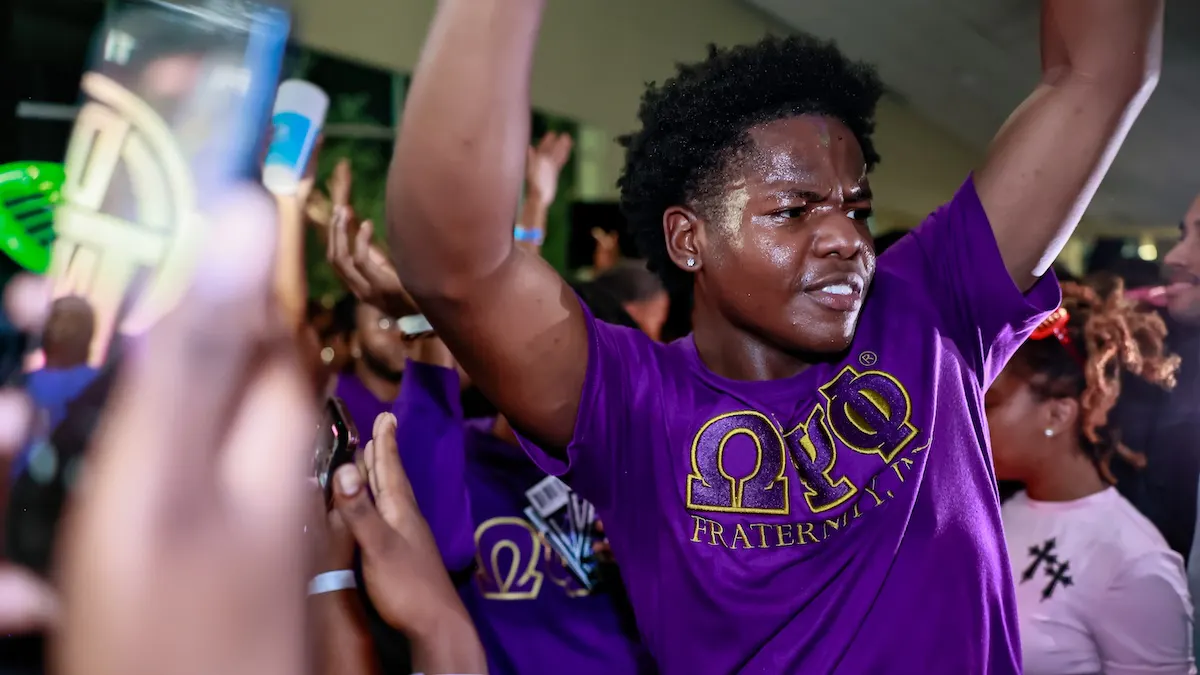
For decades, fraternities have been easy targets. Movies and headlines paint them as dens of hazing, heavy drinking, and “toxic masculinity” among young men. Frats don’t have the best reputation these days. But these stories overshadow the significance of fraternities: Men who join go on to build successful careers, form lifelong friendships, and develop the kind of resilience and leadership our young men desperately need today.
Freedom Is Back
In Style
Premium domains for sale
As we confront the “boy crisis” of widespread loneliness, plummeting mental health, declining college enrollment rates among males, and a profound lack of purpose, perhaps it’s time to rethink our reflexive disdain for these 250-year-old institutions. A bold new campaign aims to do exactly that.
Earlier this year, the Fraternity Forward Coalition, an alliance of some of North America’s most established men’s collegiate fraternities, launched “Fraternities Know Men.” This multi-platform national effort positions the fraternal movement as the leading voice on the crisis facing young men — and, crucially, as the source of proven solutions.
Its timing could not be more urgent. Young men today grapple with social isolation, digital distraction, and a culture that often treats traditional male spaces with suspicion rather than appreciation.
According to a March report released by the Institute for Family Studies, about 70% of young men agree that “manhood is viewed negatively by the broader culture,” and the same share say “it has become harder to know what it means to be a man today” compared to recent decades.
Building off that, a more recent report from IFS found that over half of young men feel lonely or isolated at least some of the time. Both reports were based on a survey of 2,000 young men aged 18-29 conducted with YouGov.
Yet these same young men haven’t abandoned a positive vision of masculinity: Nearly nine in 10 young men in the IFS survey associate manhood with strength, responsibility, and a willingness to sacrifice for others.
Fraternities help actualize these visions of healthy masculinity. An October 2025 poll of more than 1,000 young men showed that fraternity brothers are 12% more likely to report positive mental health than non-affiliated men. They are 29% more likely to have a male mentor. They are 28% more likely to have three or more close friends. They spend less time glued to screens — 14% less likely to log more than six hours online daily — and 32% more likely to socialize in person for at least six hours a week.
These aren’t tiny benefits: In a time when boys are falling behind in school, struggling to form bonds, and facing higher rates of suicide and despair, the data show that fraternities deliver belonging, accountability, and purpose.
“Fraternities have been helping develop college men for 250 years, and the data confirm the opportunities fraternities offer are relevant and needed,” says Wynn Smiley, Fraternity Forward Coalition board member and spokesman. “While society is starting to wake up to the challenges facing young men, fraternity chapters have been on the front lines offering direct interpersonal and leadership skills that help men thrive.”
Critics will still point to well-publicized scandals — pledges at Penn State were recently revealed to have been allegedly tasked with joining a cocaine ring — and no one should excuse genuine misconduct. But broad-brush condemnation has come at a cost. We have dismantled or diminished many of the very institutions — such as fraternities, scouting, and boys’ sports teams — that once channeled male energy into productive, relational growth. The result? A generation of lost men.
Restoring respect for fraternities doesn’t mean ignoring problems, but instead recognizing their unique capacity to bring young men together. Alumni networks open doors to careers. Chapter houses enforce discipline and service. Brotherhood provides the male mentorship and friendship that so many boys lack at home or on campus.
The boy crisis isn’t an abstract policy debate; it touches families, workplaces, and communities. It affects everyone, including girls and women. Boys who feel purposeless become men who struggle to lead, marry, or contribute. They seek acceptance and role models in all the wrong places, increasingly from opportunistic influencers online.
Fraternities have quietly been countering that crisis for generations. The Fraternity Forward Coalition’s campaign asks us to stop caricaturing them and start listening to the evidence. Young men don’t need more lectures about “toxic masculinity.” Rather, they need spaces where they’re understood, challenged, valued, and celebrated for becoming better versions of themselves.
I believe it’s time to revamp our perspectives. Fraternities don’t just know men; they help them become the men our society needs. Supporting this campaign, encouraging campus administrators to embrace rather than destroy fraternal life, and simply telling our sons and society at large that brotherhood and male spaces can be a force for good are small steps with big returns.
The crisis is here, but the data are clear: Fraternities have an established track record of helping young men flourish. Let’s stop ignoring one of the oldest, most effective solutions to the male crisis we have.
***
Lisa Britton is writer and commentator specializing in issues affecting boys and men.
This article is part of Upstream, The Daily Wire’s new home for culture and lifestyle. Real human insight and human stories — from our featured writers to you.
More from this network:
Domains for Sale · GOTPeople.org · TheDSAPlatform · The Truth About Socialism
What's Your Reaction?
 Like
0
Like
0
 Dislike
0
Dislike
0
 Love
0
Love
0
 Funny
0
Funny
0
 Wow
0
Wow
0
 Sad
0
Sad
0
 Angry
0
Angry
0

I am just an average American. My teen years were in the late 70s and I participated in all that that decade offered. Started working young, too young. Then I joined the Army before I graduated High School. I spent 25 years in, mostly in Infantry units. Since then I've worked in information technology positions all at small family owned companies. At this rate I'll never be a tech millionaire. When I was young I rode horses as much as I could. I do believe I should have been a cowboy. I'm getting in the saddle again by taking riding lessons and see where it goes.
Premium domains for sale
















Comments (0)