

Trump and Rubio are playing ‘the art of the squeal’ in Cuba
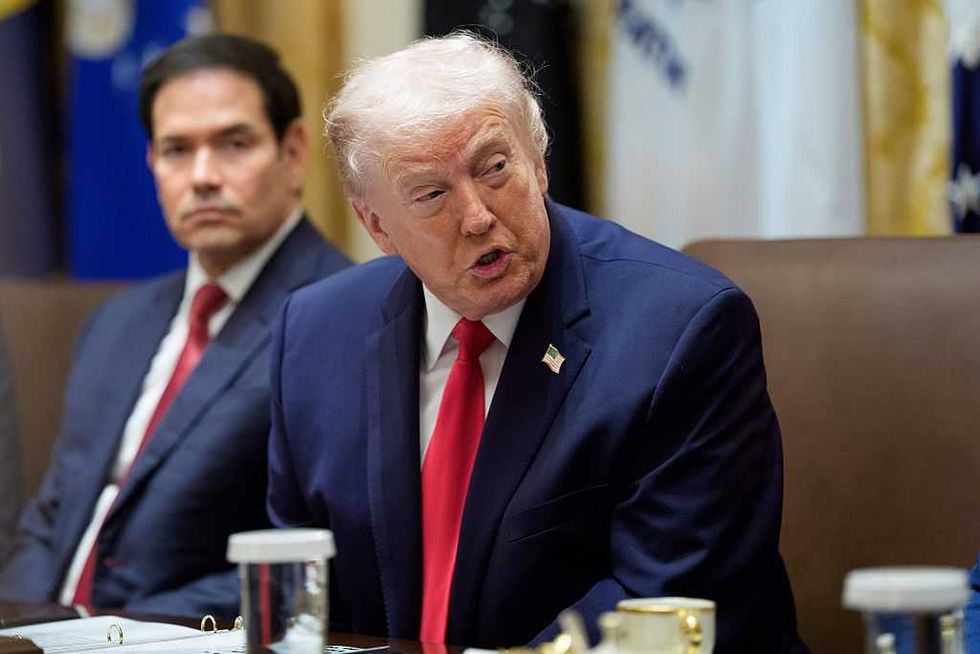
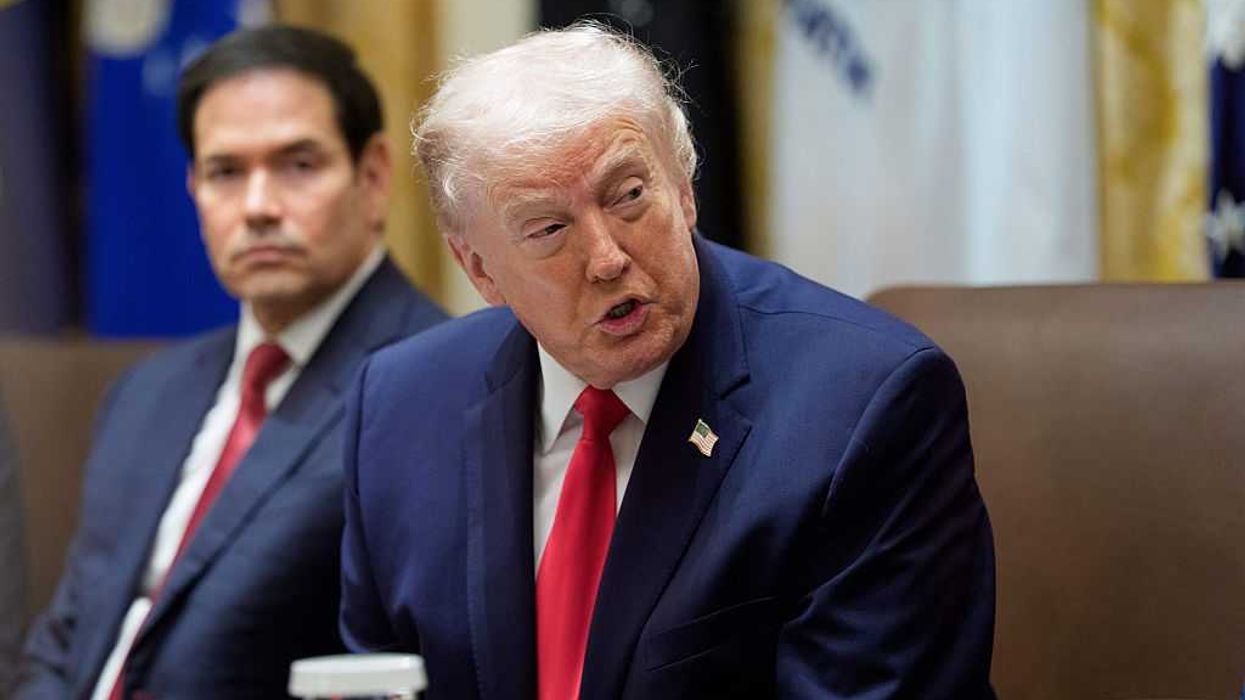
Commentators keep treating President Trump’s moves against Venezuela and Iran as random, emotional, or “impulsive.” They aren’t. They read like strategic actions aimed at the real peer adversary — China — which now finds itself short roughly 20% of a key commodity that powers everything from industrial output to military operations: oil.
Live Your Best Retirement
Fun • Funds • Fitness • Freedom
Orange Man Bad managed to hit another long-term communist adversary at the same time: Cuba.
Trump isn’t sending Marines to Havana. He’s squeezing the regime into an economic takeover.
After the Maduro snatch-and-bag operation — and after Washington threatened heavy tariffs on Mexico if it kept shipping petroleum products to Cuba — Havana’s fuel supply has reportedly fallen to roughly 35% of its monthly needs.
In 2025, Cuba imported about 13.7 million barrels of oil — roughly 112,000 barrels per day of crude and refined petroleum products — supplied primarily by Venezuela (about 61% of imports) and Mexico (about 25%), with Russia and Algeria covering most of the rest.
Trump’s executive order in late January authorized heavy tariffs on any country supplying oil to Cuba. Mexico suspended shipments to avoid U.S. retaliation. At the same time, a de facto maritime quarantine has targeted “ghost tankers” attempting to evade sanctions. Even Russian deliveries have run into trouble. Reports say the tanker Sea Horse, carrying roughly 200,000 barrels of Russian gas and oil, diverted in late February to avoid seizure or sanctions risk.
Cuba now faces a severe fuel crunch.
International observers — including U.N.-linked agencies — have described the situation as catastrophic. The island’s power grid has slid toward collapse, and the global fuel spike tied to U.S. action in Iran has only tightened the vise.
The petroleum deficit has reportedly cut national electricity generation capacity by about 65%. That leaves roughly one-third of needed power available at any given time. In Santiago de Cuba and Guantánamo, residents report blackouts lasting more than 20 hours a day. In Havana, scheduled cuts reportedly jumped from four hours to as many as 18 hours a day. Hospitals have reportedly performed surgeries by cellphone light. Water systems that rely on electric pumps have failed across large areas. Garbage collection in Havana has stalled because the trucks are out of gas.
The communist government has responded with wartime austerity measures. Major airports have suspended refueling for international flights. Airlines such as Air Canada and Air France have canceled or rerouted flights, gutting tourism — one of the regime’s few remaining sources of cash. State companies have shifted to reduced schedules to conserve power.
RELATED: Iran, China, and Trump’s ‘art of the squeal’
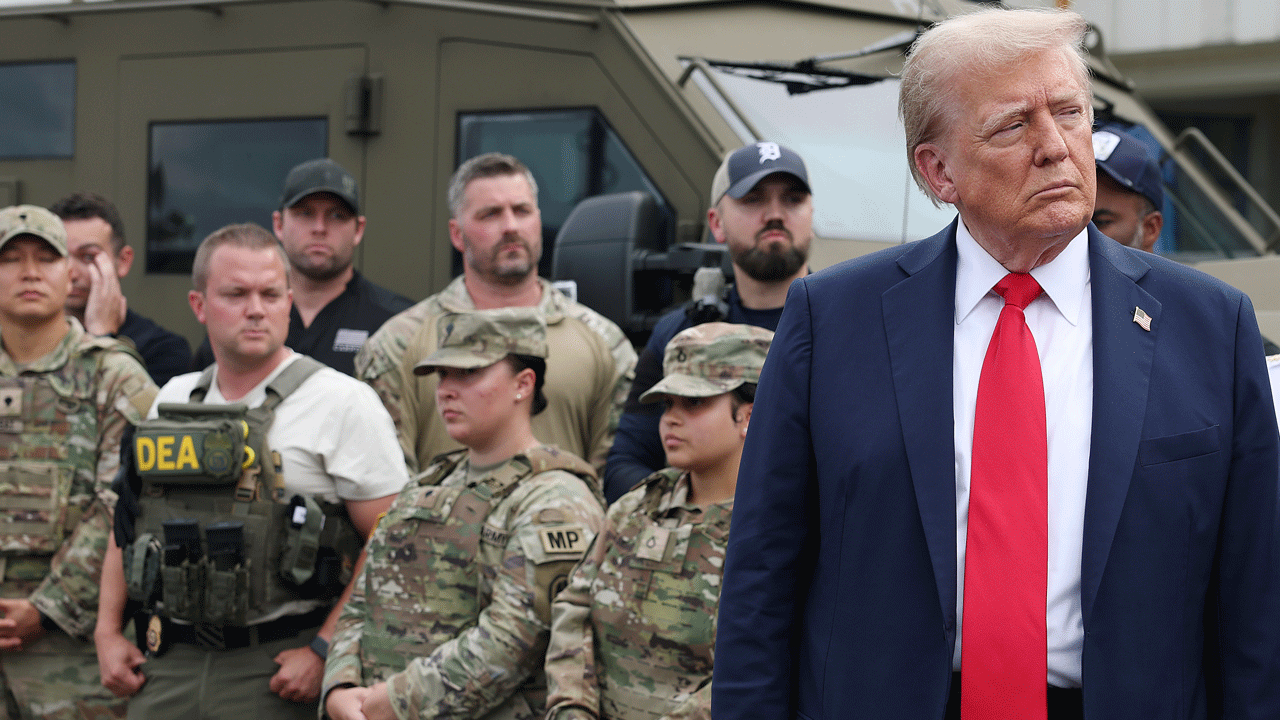
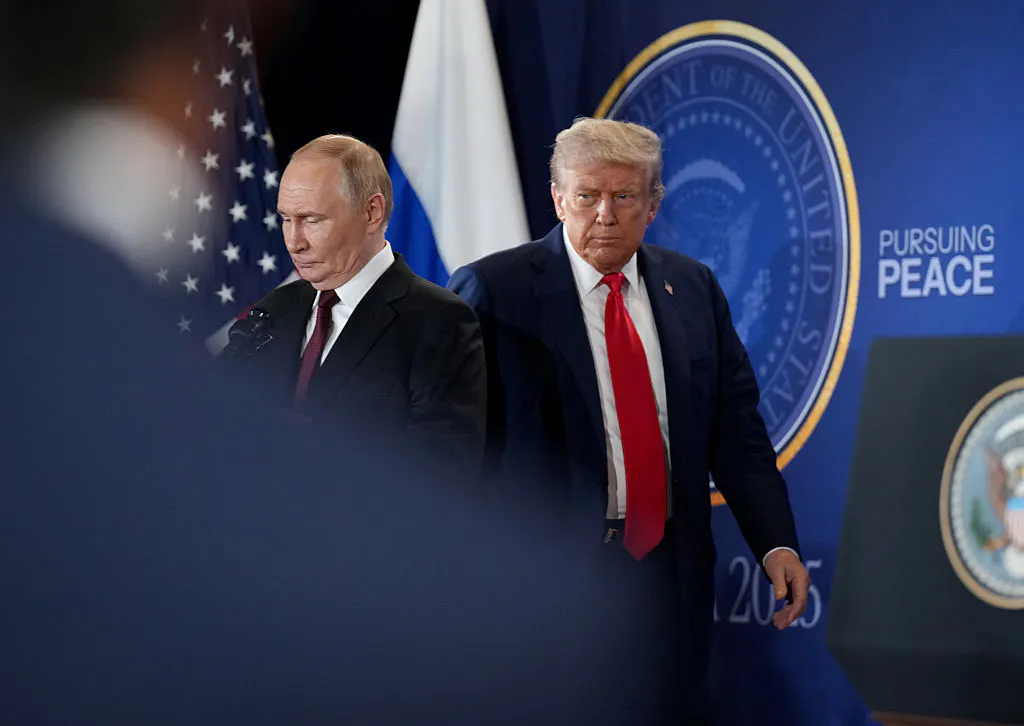
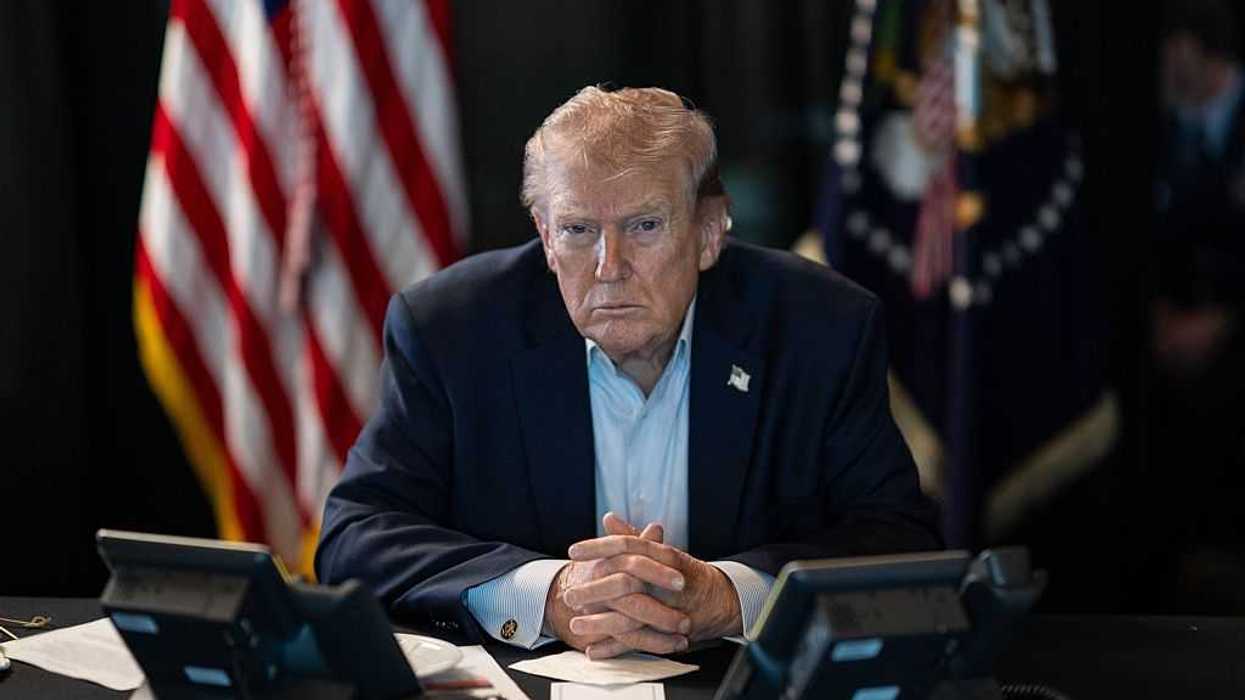 Photo by the White House via X Account/Anadolu via Getty Images
Washington has offered one narrow escape valve. On February 25, the U.S. issued a limited license allowing American companies to sell oil to Cuba’s emerging private sector. Analysts have described it as “a drop in the bucket.” It isn’t enough to run the heavy thermoelectric plants the national grid needs.
Last week, Trump publicly floated the idea of a “friendly takeover” of Cuba. The phrase stays diplomatically vague, but the surrounding actions and rhetoric suggest a specific approach. Trump described Cuba as a failing nation because it has “no money. They have no anything right now.”
He isn’t going to send a Marine expeditionary force to Havana. He’s pressuring the regime to cut a deal that looks like gently coerced economic integration: end the communist monopoly over banking and energy, allow U.S. firms to buy and operate failing infrastructure (telecom, ports, the power grid), and expand the private sector until the Communist Party can’t enforce centralized control.
Secretary of State Marco Rubio has echoed that direction. He has argued that Cuba needs a “different economic model” and said the U.S. would welcome reforms that open space for economic and political freedom. Reports also suggest back-channel contact, though the administration has not confirmed details.
Cuba’s current leader, Communist Party chief Miguel Díaz-Canel, now sits in the position of a man about to get a colonoscopy. He should pray Orange Man Bad feels generous with the sedation — or he’ll learn the hard way what “the art of the squeal” means.
What's Your Reaction?
 Like
0
Like
0
 Dislike
0
Dislike
0
 Love
0
Love
0
 Funny
0
Funny
0
 Wow
0
Wow
0
 Sad
0
Sad
0
 Angry
0
Angry
0

I am just an average American. My teen years were in the late 70s and I participated in all that that decade offered. Started working young, too young. Then I joined the Army before I graduated High School. I spent 25 years in, mostly in Infantry units. Since then I've worked in information technology positions all at small family owned companies. At this rate I'll never be a tech millionaire. When I was young I rode horses as much as I could. I do believe I should have been a cowboy. I'm getting in the saddle again by taking riding lessons and see where it goes.



Comments (0)