

Trump fumes as China pilfers top US tech — and goes unpunished
Premium domains for sale
Freedom Is Back In Style
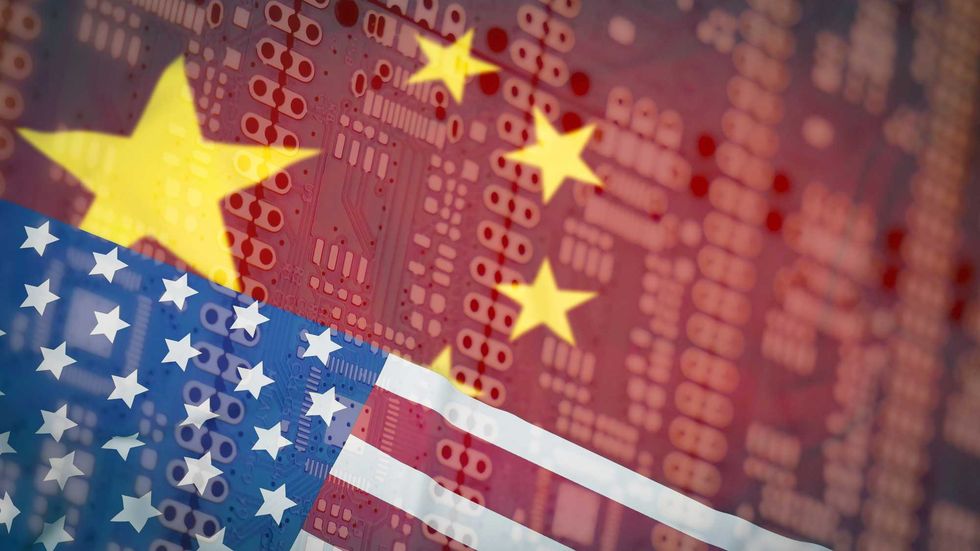
China has a dirty little habit of swiping tech that doesn’t belong to it and passing it off as its own. Why should AI be any different? Latest accusations claim that China stole intellectual property from American AI companies to use in its own platforms, and the Trump administration is poised to take swift retaliatory action.
Freedom Is Back
In Style
Premium domains for sale
The whole hubbub started over the prevalence of open-source AI models originating from China. As the costs of major platforms, including Claude, ChatGPT, Gemini, and Grok, continue to rise in the States, U.S. companies that have already integrated AI into their workforce, or that plan to add AI in the future, are looking for new ways to cut costs without sacrificing capabilities. One solution is to fall back on Chinese-made open-source AI, like DeepSeek and Kimi.
'We have the ability to sanction them because of this theft.'
Open-source AI is more appealing than closed-source platforms for several reasons: It’s publicly available with fewer or no licensing fees. It’s customizable to fit a wider range of applications. It can work on local hardware (laptop, desktop, or servers) without the need to pay for cloud compute. Its local capabilities make it much cheaper and more private. Lastly, although these models are usually slightly less sophisticated than closed models, their open nature gives third-party developers the power to adjust the code themselves and bring it on par with closed offerings.
In other words, open-source models are more affordable and adaptable, and if widely adopted, they could put a financial strain on the frontier AI market or even put it out of business.
Where does Chinese open-source AI come from?
So far, China has been a major proponent of open-source AI, largely for the threat it poses to America’s AI dominance, while platforms in the States have leaned harder into closed-model options.
Here’s the kicker, though. Most of China’s AI models were built on the backs of American AI companies. DeepSeek, for instance, reportedly used OpenAI’s ChatGPT (and other unnamed models) as the basis for its platform through a process called distilling, where answers from larger platforms are reverse-engineered to design smaller, more efficient models that mimic the original. Meanwhile, the newly more capable Kimi K3 was distilled from Claude Fable 5 by Anthropic.
Essentially, Chinese AI platform makers took a shortcut by training off of American frontier AI models and are now trying to flip the script so that American companies rely on their Chinese “innovations” instead of the original platforms that created these AI advancements in the first place.
RELATED: Tired of password hell? Do this now
 Rawf8/Getty Images
Why open-source Chinese AI is a problem
This is an issue for American companies and American security for several reasons:
- Theft: Although distillation operates in an ambiguous gray area of legality, what China’s platforms have done equates to theft directly from OpenAI, Anthropic, Google, and SpaceXAI (formerly xAI).
- Regulation: Open-source makes AI harder to regulate. Especially now that some advanced AI models can hack into legacy systems without any trouble at all, open-source versions of these would make them dangerously accessible to bad actors.
- Leadership: Companies that pay for AI platforms essentially fund their future development, ensuring that AI platforms are sustainable as America leads the AI race. Without this funding, American-made AI development slows down, stalls, or flatlines entirely, surrendering the lead to China.
- Security: Anyone can tamper with open-source code, potentially making companies that use these platforms more vulnerable to sneak attacks, hacks, and malicious code injections.
What’s next?
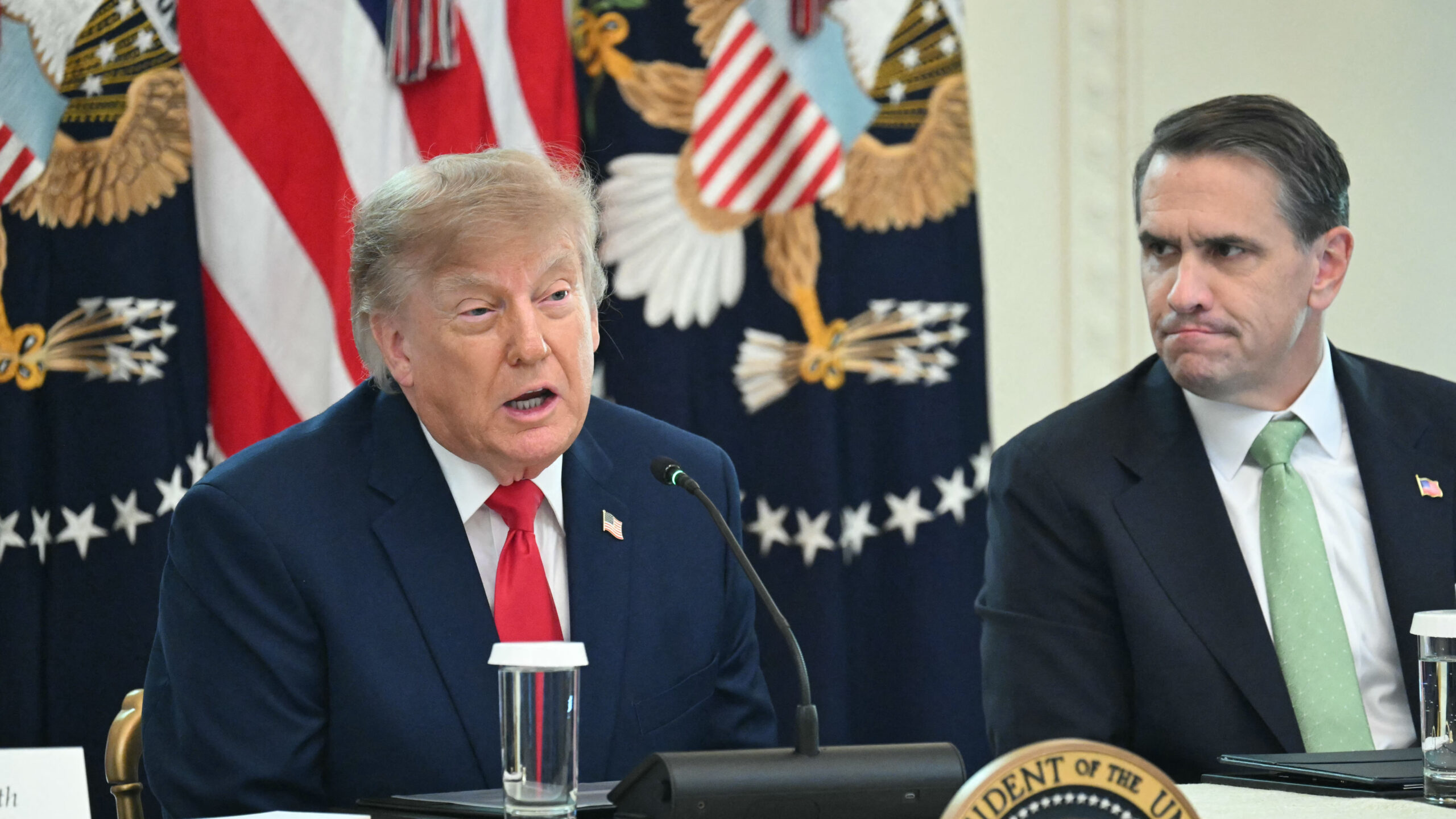
Reports on what to do about the alleged IP theft are mixed. Axios says that President Trump may ban companies from using Chinese-developed open-source AI models wholesale, immediately cutting off the potential threat these models pose to the nation. However, United States Secretary of the Treasury Scott Bessent proposed another way, stating, “We’ve seen a lot of talk about open-source models coming and threatening the large language models in the U.S. This administration supports open-source models, but what we do not support is IP theft. If we see, especially, that overseas models are stealing from our great companies, we have the ability to sanction them because of this theft.”
Sanctions appear to be the answer to get China to back off. Whether or not it will work, though, remains to be seen. So far, China is pushing back with the Ministry of Commerce holding firm: "These actions lack factual basis and legal support and constitute double standards in practice, representing typical acts of AI hegemony. China will take all necessary measures to firmly safeguard its legitimate rights and interests against any actions that substantially harm China's interests."
A tug-of-war over AI sovereignty will no doubt ensue in the coming weeks.
More from this network:
Domains for Sale · GOTPeople.org · TheDSAPlatform · The Truth About Socialism
What's Your Reaction?
 Like
0
Like
0
 Dislike
0
Dislike
0
 Love
0
Love
0
 Funny
0
Funny
0
 Wow
0
Wow
0
 Sad
0
Sad
0
 Angry
0
Angry
0

I am just an average American. My teen years were in the late 70s and I participated in all that that decade offered. Started working young, too young. Then I joined the Army before I graduated High School. I spent 25 years in, mostly in Infantry units. Since then I've worked in information technology positions all at small family owned companies. At this rate I'll never be a tech millionaire. When I was young I rode horses as much as I could. I do believe I should have been a cowboy. I'm getting in the saddle again by taking riding lessons and see where it goes.
Premium domains for sale

















Comments (0)