

U.S.-Iran Talks Offer Hope For An American Journalist In Tehran’s Most Notorious Prison
Premium domains for sale
Freedom Is Back In Style
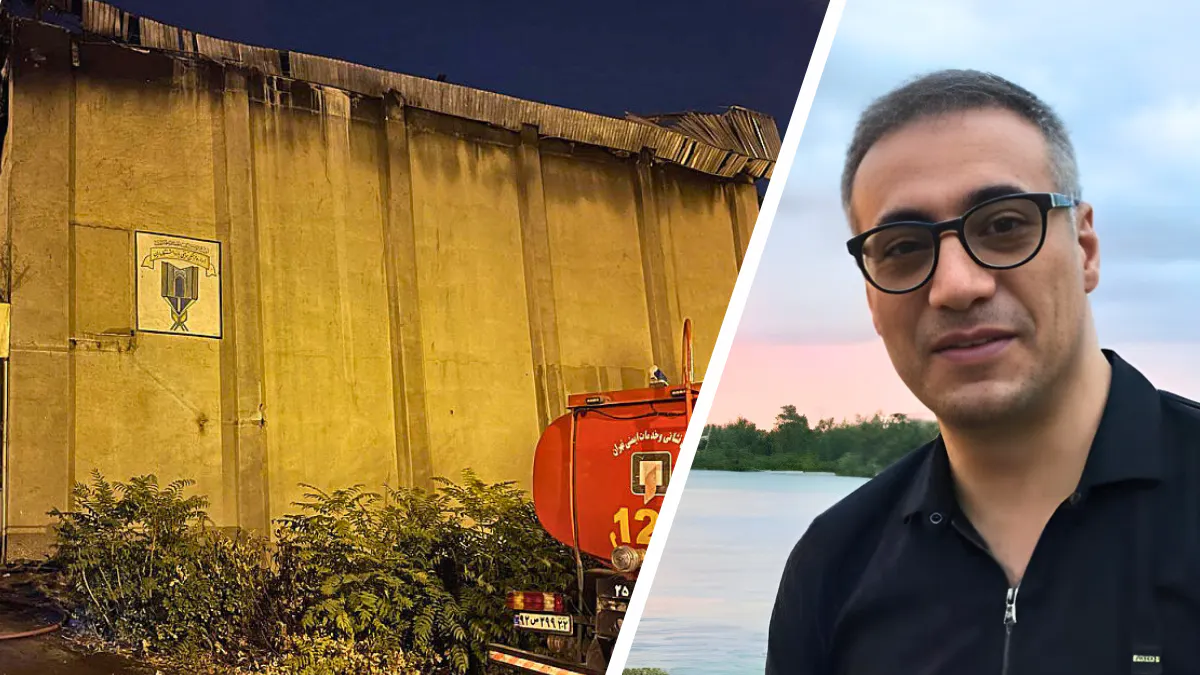
On March 6, 2024, Reza Valizadeh — a journalist and dual American-Iranian citizen — returned to Iran for the first time in nearly two decades to visit his elderly parents.
Freedom Is Back
In Style
Premium domains for sale
Freedom Is Back
In Style
Premium domains for sale
Six months later, he was arrested. The Islamic Revolutionary Guard Corps (IRGC) confiscated his U.S. passport and other documents. He was interrogated about his work, convicted of “collaborating with a hostile government,” and sentenced to 10 years in Tehran’s notorious Evin Prison. According to the United Nations, detainees at Evin are frequently held in solitary confinement, denied access to lawyers, and subjected to harsh and often abusive conditions.
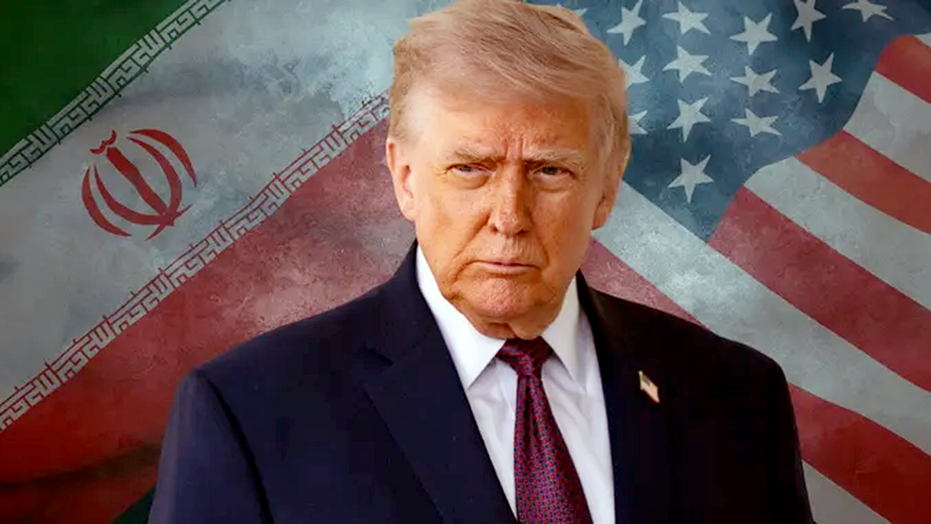
Now, as President Donald Trump suggests the United States and Iran could soon renew diplomatic talks, Valizadeh’s supporters hope he could soon find freedom.
Trapped in Iran: The Fight to Free American Journalist Reza Valizadeh
Valizadeh was forced into exile in 2009 after angering the Islamic regime with his reporting on corruption, election manipulation, and the regime’s security apparatus. He returned to Tehran knowing that his reporting on the regime’s corruption and abuses — which he continued in exile for Radio Farda, a Persian-language outlet affiliated with Radio Free Europe — had angered the Iranian government and IRGC.
“With the news of the negotiations with Iran, we are hoping the cessation of strikes (if even brief) will open a window for the administration to prioritize the release of Americans being held in Evin prison,” Valizadeh’s attorney, Ryan Fayhee, told The Daily Wire.
That possibility follows a recent de-escalation in tensions, after President Trump cited ongoing talks as a reason for backing off his demand that Iran reopen the Strait of Hormuz or face strikes on its energy infrastructure. While Tehran has denied that negotiations are ongoing and reportedly rejected a U.S.-ceasefire plan on Wednesday, Fayhee still has hope.
For advocates, even the prospect of dialogue creates a potential opening for U.S. officials to prioritize the release of detained Americans.
Fayhee told The Daily Wire that Valizadeh was misled about his safety before returning to Iran in 2024.
“He did receive some assurances — they ended up being false assurances — that he would not face any concerns,” Fayhee said. “He was ultimately arrested, interrogated, and then held in the political wing of Evin Prison with many other political dissidents, former government officials who are being held there.”
Fayhee says what followed was a sham trial where Valizadeh was denied due process protections, meaningful access to legal counsel, and in which the judge acted as a prosecutor and decision-maker.
Valizadeh was present for a 2025 Israeli strike on Evin Prison, during which prisoners were reportedly transferred in chaotic, cruel conditions to overcrowded facilities without adequate food or medical care. Israel’s foreign minister, Gideon Sa’ar, said the attack was a response to Iran targeting civilians and was intended to help liberate detainees.
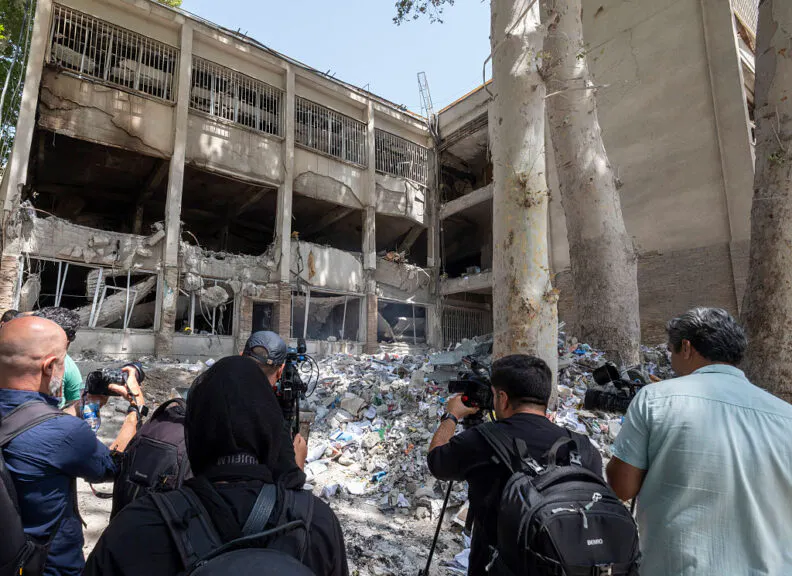
Iranian cameramen capture videos of an office building of the Evin prison, which is destroyed in Israeli strikes in northern Tehran, Iran, on July 1, 2025. (Photo by Morteza Nikoubazl/NurPhoto via Getty Images)
Valizadeh is believed to have been held in Ward 209 of Evin Prison, the Ministry of Intelligence’s detention center, where reports indicate prisoners are held without access to sunlight and “subjected to indiscriminate physical torture, including floggings, electric shocks, mock executions, waterboarding, sexual violence, suspension, force-feeding of chemical substances, and deliberate deprivation of medical care,” according to the United Nations.
He is now being held in Ward 7, where inmates are kept in overcrowded cells under poor living conditions, including just four toilets for every 200 prisoners. According to his brother, Valizadeh’s small cell holds 18 inmates, many of whom are forced to sleep on the ground.
Fayhee said Valizadeh was arrested not only for his reporting, but to send a broader warning.
“Reza appears to have been targeted really for the purposes of sending a message to other journalists who would report outside Iran on what’s happening within Iran,” he said.
Fayhee, who has represented wrongfully detained Americans abroad since 2019, said Valizadeh’s case follows a familiar pattern in which Iran targets dual nationals and particularly journalists on vague national security charges. The two most prominent Iranian-American journalists to be wrongfully detained by Iran are Jason Rezaian and Roxana Saberi, both of whom were released amid international pressure.
“Essentially, the crime is alleged to be sort of consorting with the enemy and outside forces,” Fayhee said. “It’s truly a fake crime, fake proceeding. There’s no real rule of law when it comes to anyone who’s publicly criticizing the regime. And so this is the charge that they rely upon.”
Valizadeh has since been designated by the State Department as wrongfully detained — a classification that opens additional government resources to help secure his release.
Due to the lack of an American diplomatic presence in Iran, Switzerland’s embassy in Tehran serves as the protecting power for the United States, providing consular assistance to American citizens, including prisoners. The embassy was temporarily closed earlier this month due to Operation Epic Fury, with the Swiss ambassador and staff leaving Iran.
According to Fayhee, it is difficult to communicate with his client, though he has received some messages that have made him concerned about Valizadeh’s health.
“I grew quite concerned immediately because I know he’d had some respiratory issues in the past,” he said. “A lot of coughing, pretty raspy, difficult.”
The United Nations confirms Valizadeh suffers from asthma and has experienced worsening symptoms in detention while being denied adequate medical care. His family has been unable to deliver him medication due to the prison’s doctor not providing him a prescription.
For now, Fayhee says ensuring visibility is key.
“I think it’s important that his name be known by everybody across the U.S., whether it’s in Capitol Hill, whether it’s at the UN, whether it’s at the White House,” Fayhee said. “I think that’s his best protection.”
What's Your Reaction?
 Like
0
Like
0
 Dislike
0
Dislike
0
 Love
0
Love
0
 Funny
0
Funny
0
 Wow
0
Wow
0
 Sad
0
Sad
0
 Angry
0
Angry
0

I am just an average American. My teen years were in the late 70s and I participated in all that that decade offered. Started working young, too young. Then I joined the Army before I graduated High School. I spent 25 years in, mostly in Infantry units. Since then I've worked in information technology positions all at small family owned companies. At this rate I'll never be a tech millionaire. When I was young I rode horses as much as I could. I do believe I should have been a cowboy. I'm getting in the saddle again by taking riding lessons and see where it goes.
Premium domains for sale

Comments (0)