

Virginians Set to Vote on a Map That Could Lock in Democratic House Dominance
Premium domains for sale
Freedom Is Back In Style
Virginia, once a model for independent redistricting, is asking voters to temporarily hand the Democratic-controlled Legislature power to redraw congressional lines having a 10-1 partisan edge.
Freedom Is Back
In Style
Premium domains for sale
The Old Dominion State has 11 U.S. House districts. Five are considered strongly Democratic, two lean Democratic, one is a toss-up, two lean Republican, and one is strongly Republican.
Under the current district map, the Virginia delegation to the U.S. House consists of six Democrats and five Republicans.
But a new map proposed by Democrat state lawmakers in October would radically alter the political landscape: Five districts would be strongly Democratic, five would lean Democratic, and one would be strongly Republican.
The proposed change comes six years after Virginia decided to reform its redistricting process in an effort to draw fair maps.
In 2020, voters approved a state constitutional amendment that established the bipartisan Virginia Redistricting Commission (VRC), taking redistricting power away from the General Assembly.
Last fall, however, Virginia Democrats started a process to implement a new map through a new constitutional amendment.
Amending the State Constitution
To amend Virginia’s Constitution, the General Assembly must first pass a bill. After the next general election takes place, the newly seated Assembly must pass the same bill again, and the governor must sign it. The resulting referendum is then put before the voters.
If voters approve, the constitution is amended.
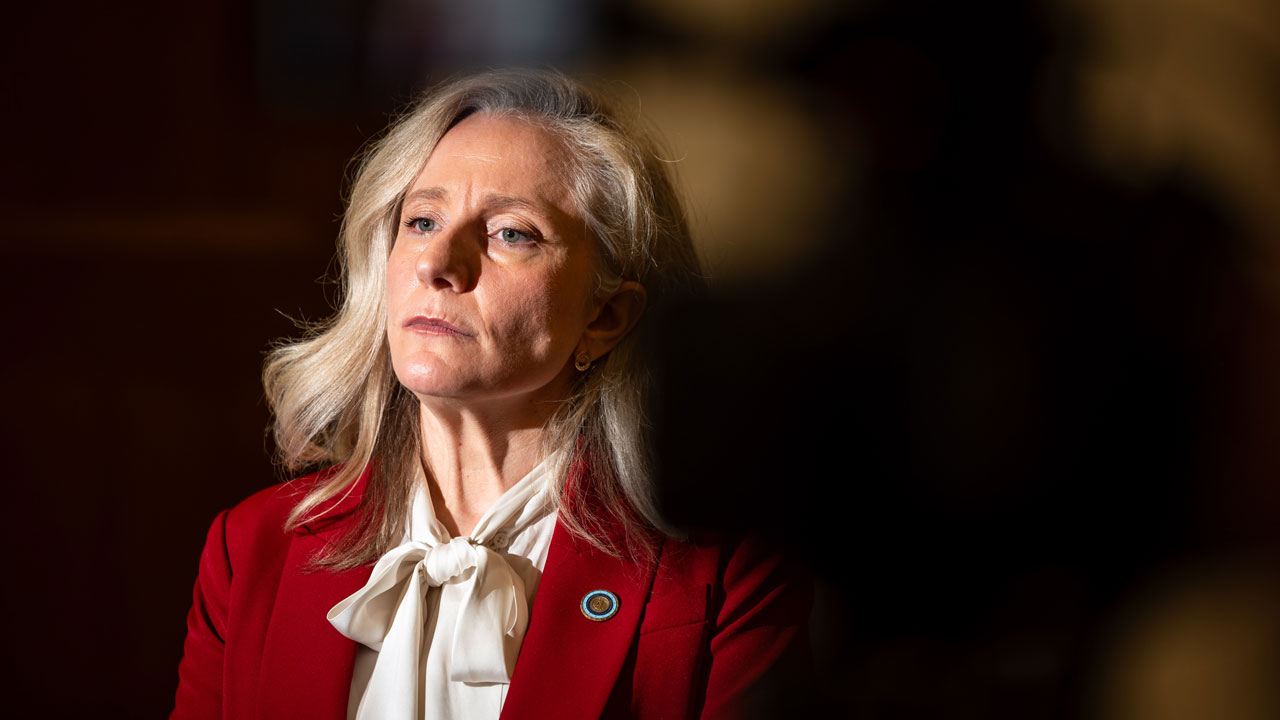
In October, the prior General Assembly passed a redistricting bill and proposed maps. Following the 2025 general election, a newly elected Assembly in January passed the same bill again, through a party-line vote. Virginia Gov. Abigail Spanberger signed the bill.
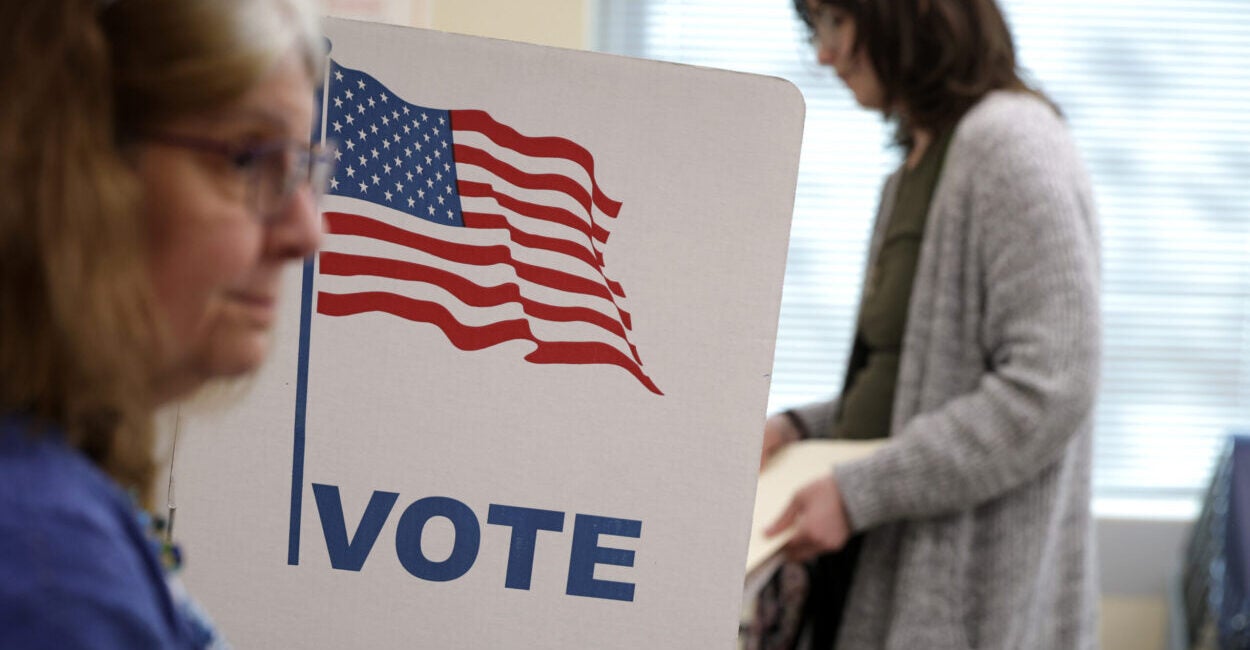
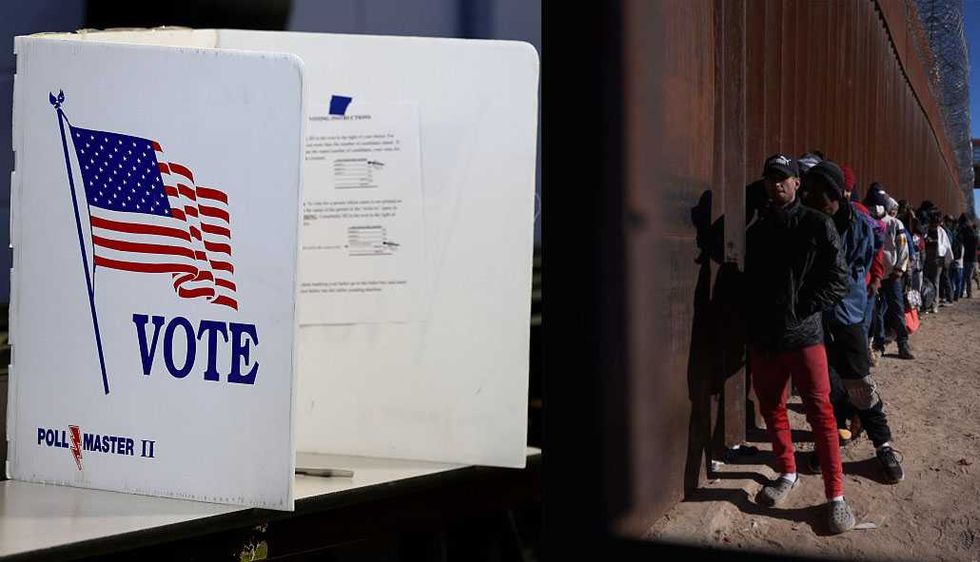
The resulting referendum, to be voted on Tuesday, will let voters have a say on those maps.
Democrats argue their highly partisan redistricting referendum is intended to counter Republican redistricting in other states. Republicans say the referendum violates constitutional timing rules and overrides the independent commission.
Multiple GOP-led lawsuits have ensued, with the majority being filed in the Circuit Court of Tazewell County. Despite those lawsuits, the Virginia Supreme Court has allowed the April 21 vote to proceed. A legal review of the entire process will occur after the election.
Follow the Money
Republicans and Democrats have spent over $83 million campaigning for their preferred outcome in Tuesday’s election.
Virginians for Fair Elections has spent over $62 million urging voters to vote “Yes,” which would produce new maps. Virginians for Fair Maps has spent about $21 million urging voters to vote “No,” which would maintain the status quo.
Each organization has placed ad buys, sent emails, distributed yard signs, knocked on doors, and brought well-known former politicians back into the spotlight to persuade voters to their cause.
Local partisan committees also have weighed in with their own efforts, creating signage, recording radio ads, and sending out postcards in an effort to reach voters.
A poll by State Navigate found that 50.7% of Virginians plan to vote “Yes,” while 45.4% of Virginians plan to vote “No.” The poll had a 3.7% margin of error.
The ultimate fate of the referendum is uncertain, however, as voters could vote down the change, or the Virginia Supreme Court could rule against it and declare the election void.
The post Virginians Set to Vote on a Map That Could Lock in Democratic House Dominance appeared first on The Daily Signal.
More from this network:
Domains for Sale · GOTPeople.org · TheDSAPlatform · The Truth About Socialism
What's Your Reaction?
 Like
0
Like
0
 Dislike
0
Dislike
0
 Love
0
Love
0
 Funny
0
Funny
0
 Wow
0
Wow
0
 Sad
0
Sad
0
 Angry
0
Angry
0

I am just an average American. My teen years were in the late 70s and I participated in all that that decade offered. Started working young, too young. Then I joined the Army before I graduated High School. I spent 25 years in, mostly in Infantry units. Since then I've worked in information technology positions all at small family owned companies. At this rate I'll never be a tech millionaire. When I was young I rode horses as much as I could. I do believe I should have been a cowboy. I'm getting in the saddle again by taking riding lessons and see where it goes.
Premium domains for sale
















Comments (0)