

What Would Pope John Paul II Think About the European Protests?
Premium domains for sale
Freedom Is Back In Style
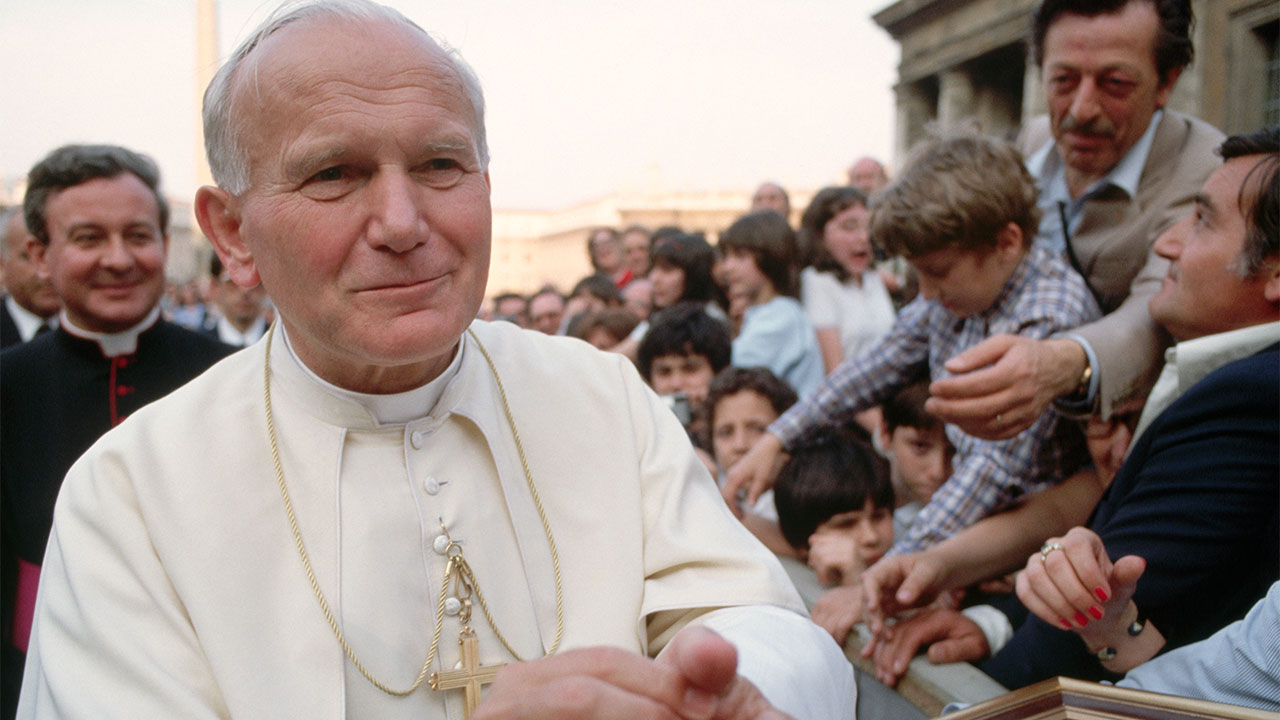
Today is the feast of Pope St. John Paul II. His life and teachings offer a key to understanding the unease the world experiences today and indicate a path forward based on justice, responsibility, and the common good.
Freedom Is Back
In Style
Premium domains for sale
Though published in 1991, his encyclical letter, “Centesimus Annus,” retains an extraordinary timeliness today, including in the face of the social tensions and protests that are sweeping Europe. At a time marked by economic uncertainty, distrust for institutions, and dispirited young people, the late supreme pontiff’s thought invites us to look beyond the outward manifestations of discontent to understand their deeper causes.
When economic growth does not translate into concrete opportunities, when work does not guarantee a dignified life, and when it becomes increasingly difficult to establish a family, the social fabric risks weakening. As John Paul II understood, the economy must always be at the service of the human person, his dignity, and the common good.
Many young people today are deeply concerned about issues such as the cost of living, housing insecurity, concerns about public services, rising energy costs, stagnant wages, and corruption. Those of us who are older should recognize that these young people are posing fundamental questions about our society, particularly about its ability to offer hope.
The lesson from “Centesimus Annus” is clear: Economic freedom must be accompanied by solidarity, corporate responsibility, and institutions capable of protecting the most vulnerable—without stifling personal initiative. Progress cannot be measured only by the wealth produced, but also by the opportunities offered to each person to participate in social life, build a family, and contribute to the future of the community.
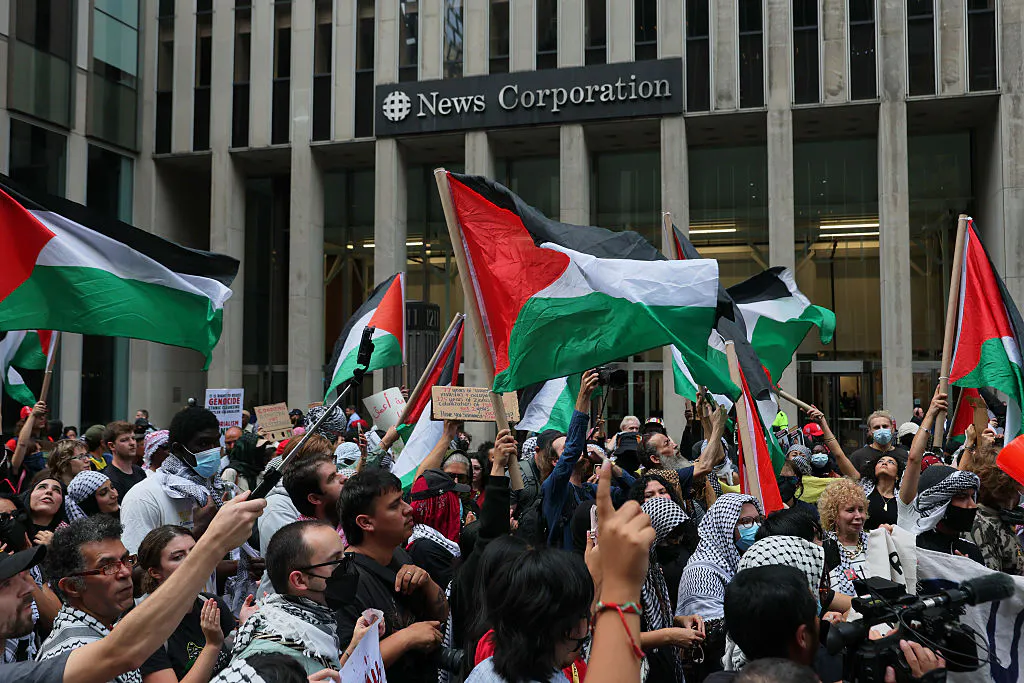
In the light of this teaching, what would John Paul II say today to the young Albanians, French, and Italians who are in the streets to express their dissatisfaction? Having spent a significant amount of time in the Vatican with him, I believe I can guess.
The pope would have tried first of all to understand the reasons these young people have for their anger. He always recognized the right of young people to make their voices heard peacefully, denouncing injustices and asking for answers from institutions. But the late holy father also knew that the legitimacy of a cause does not automatically legitimize all the means used to support it.
Freedom, in the Christian perspective, does not consist in doing whatever one desires, but in taking responsibility for one’s actions. One cannot defend human dignity by trampling on the dignity of others. Attacking an innocent person, setting fire to a car, destroying a public building, or looting a store does not make a claim any more just or compelling; on the contrary, it risks compromising a message and damaging the very communities a protester claims to defend.
John Paul II used to say that violence is neither Christian nor evangelical. He also argued that violence and hatred make genuine reconciliation impossible. He was convinced that justice could not be separated from respect for the person and the search for peace.
In this moment, I can imagine John Paul II addressing young people directly—as he so often did.
Dear young people, do not let anger destroy the hope you carry in your hearts. If you see an injustice, denounce it; if you encounter indifference, make your voice heard; if you find exclusion, unite to build a more just society.
But do not destroy what belongs to everyone, do not attack those who think differently, do not buy into the vision of few extremist vandals and barbarians whose only goal is to destroy and to arm, and do not transform protest into hatred. Protesting can be legitimate and even necessary, but it must always remain respectful of human dignity.
I also imagine him addressing those in power.
Dear political and civil authorities, listen to the demands for justice, address the causes of distress, and distinguish those who protest peacefully from those who commit crimes. We must condemn unjust violence, but that cannot become a pretext for ignoring the real difficulties people face.
For John Paul II, economic and political crises were often accompanied by moral and cultural crises. When community ties are weakened, the sense of personal responsibility is lost, and it becomes necessary to rebuild civil society, support families, enhance associations, and promote solidarity.
This is the challenge that “Centesimus Annus” still presents today to Albania, France, Italy, and the whole of Europe—and the world: to transform discontent into participation, anger into responsibility, and protest into an opportunity to build for the common good.
We publish a variety of perspectives. Nothing written here is to be construed as representing the views of the Daily Signal.
More from this network:
Domains for Sale · GOTPeople.org · TheDSAPlatform · The Truth About Socialism
What's Your Reaction?
 Like
0
 Dislike
0
 Love
0
 Funny
0
 Wow
0
 Sad
0
 Angry
0

I am just an average American. My teen years were in the late 70s and I participated in all that that decade offered. Started working young, too young. Then I joined the Army before I graduated High School. I spent 25 years in, mostly in Infantry units. Since then I've worked in information technology positions all at small family owned companies. At this rate I'll never be a tech millionaire. When I was young I rode horses as much as I could. I do believe I should have been a cowboy. I'm getting in the saddle again by taking riding lessons and see where it goes.
Premium domains for sale



Comments (0)