

Why are we teaching kids scarcity in an age of abundance?
Premium domains for sale
Freedom Is Back In Style
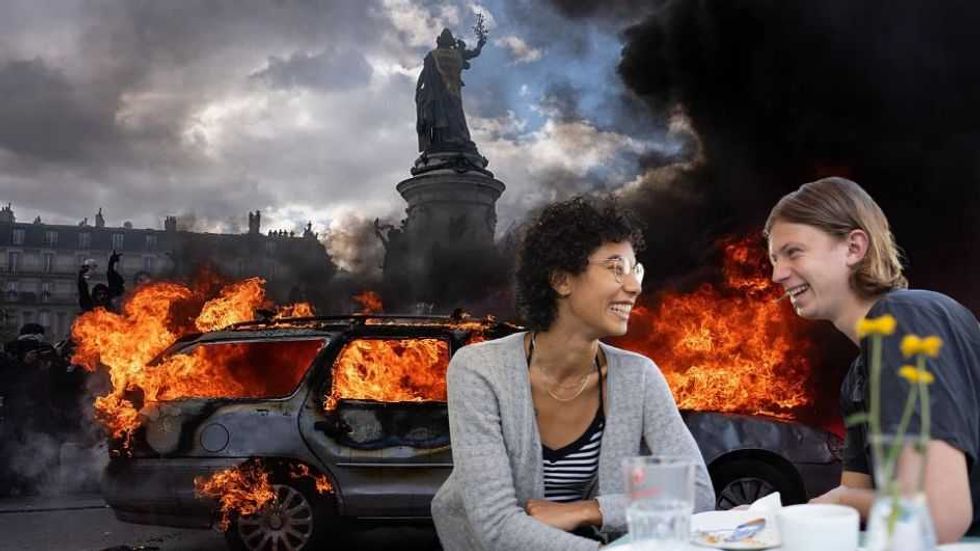
Students head back to classrooms this month. Many will arrive already convinced their future is hopeless.
Freedom Is Back
In Style
Premium domains for sale
In a Lancet Planetary Health study of 10,000 young people across 10 countries, 75% said the future is frightening and 56% said they believe humanity is doomed.
We are graduating energy-illiterate students at precisely the moment the country has to build.
A 2025 PNAS study found one in five Americans ages 16 to 24 is afraid to have children because of the climate. That gloom has deepened over time. In Yale's long-running survey, the share of Americans 18 to 34 who say global warming is already harming this country rose from 40% in 2012 to 64% in 2022.
What's causing such a dramatic shift? It could be what's missing in the classroom.
Teenagers name teachers as their leading source on climate and energy. Seventy-one percent say they learned "a lot" or "some" from a teacher, ahead of parents at 67% and social media at 63%. Yet the median high school science teacher spends one or two hours a year on the subject, and three-quarters of teachers say they have never been trained to teach it.
The teaching gap shows. Nearly three-quarters of teens believe ocean plastic is a major contributor to climate change. Energy illiteracy is even worse: Fewer than a third of high schoolers can name the three sources that generate most American electricity. Energy literacy scores among high school seniors fell between 2017 and 2022.
What fills the gap is the phone. Researchers at the University at Buffalo, writing last fall in Climatic Change, found that heavier social media use correlates with what they call "climate doom," the belief that warming will collapse social and economic order. When other researchers examined 100 climate videos on TikTok, only eight cited a reputable source.
A video feed full of ignorance and despair doesn't make a good curriculum.
The consequences are economic as well as emotional. After 15 flat years, American electricity demand is climbing again, roughly 2% annually since 2020. Data centers are on pace to double their share of peak demand inside two years. We are graduating energy-illiterate students at precisely the moment the country has to build.
For a teenager trying to figure out what to do with his life, that ignorance could be costly. We hear a lot these days about how artificial intelligence is closing the on-ramps into white-collar work.
The head of one leading AI lab has warned that the technology could eliminate half of all entry-level white-collar jobs within five years, concentrated in the fields that used to hire new graduates.
RELATED: China is building power. America is still debating it.
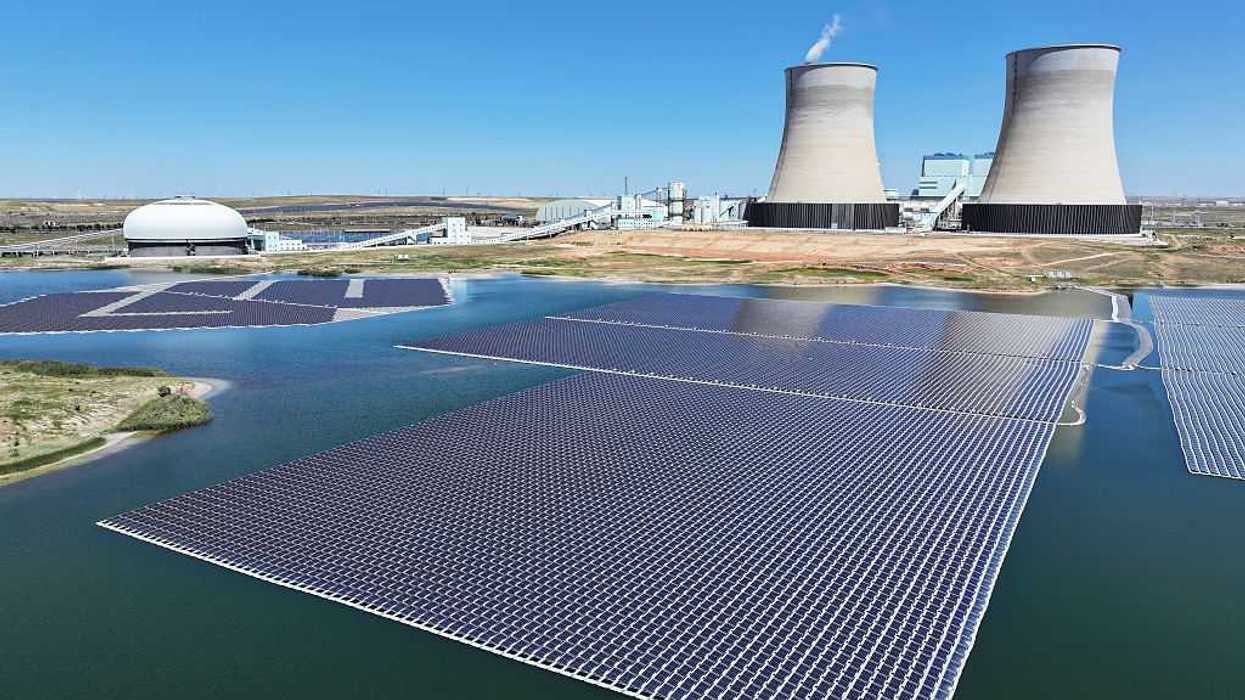 Yuan Hongyan/VCG/Getty Images
But that's not the whole story. Electricians are growing at three times the rate of the average occupation, with roughly 73,500 openings a year. Nuclear technicians earn a median above $104,000, often without a four-year degree. Applied trades have added 2.5 million jobs since 2019, and the average utility worker is past 50 and nearing retirement.
Students need to know the full picture. That goes for job prospects as well as the climate. Natural gas displacing coal drove the largest share of the decline in American power-sector emissions, according to the Energy Information Administration. Technology companies have committed more than $50 billion to nuclear power, more than in any previous decade. Three Mile Island restarts next year. Most new reactors arrive in the 2030s.
For a 16-year-old who wants to work in the nuclear industry, that timeline sounds like job security.
Kids deserve to know that their futures are far from hopeless. A little bit of energy education could work like an SSRI for doomsday depression.
Some groups are trying to fill the energy education gap. Generation Atomic runs a nuclear science program for grades 6 through 12. The American Conservation Coalition organizes young people around nuclear power and permitting reform. And Blue Energy Nation's BENERGY course launches nationally this fall. It features six modules built for homeschool families but is easily folded into any science, civics, or economics class.
Students shouldn't be left to form a worldview based on TikTok videos. We should teach them where energy comes from, how it impacts their futures, and what it will need from them. Fear is a lousy career counselor. A generation convinced the future is already finished will not build the grid that future requires.
This article was originally published by RealClearEducation and made available via RealClearWire.
More from this network:
Domains for Sale · GOTPeople.org · TheDSAPlatform · The Truth About Socialism
What's Your Reaction?
 Like
0
Like
0
 Dislike
0
Dislike
0
 Love
0
Love
0
 Funny
0
Funny
0
 Wow
0
Wow
0
 Sad
0
Sad
0
 Angry
0
Angry
0

I am just an average American. My teen years were in the late 70s and I participated in all that that decade offered. Started working young, too young. Then I joined the Army before I graduated High School. I spent 25 years in, mostly in Infantry units. Since then I've worked in information technology positions all at small family owned companies. At this rate I'll never be a tech millionaire. When I was young I rode horses as much as I could. I do believe I should have been a cowboy. I'm getting in the saddle again by taking riding lessons and see where it goes.
Premium domains for sale














Comments (0)