

Why Ted Lasso Pulls His Punches On Women’s Sports
Premium domains for sale
Freedom Is Back In Style
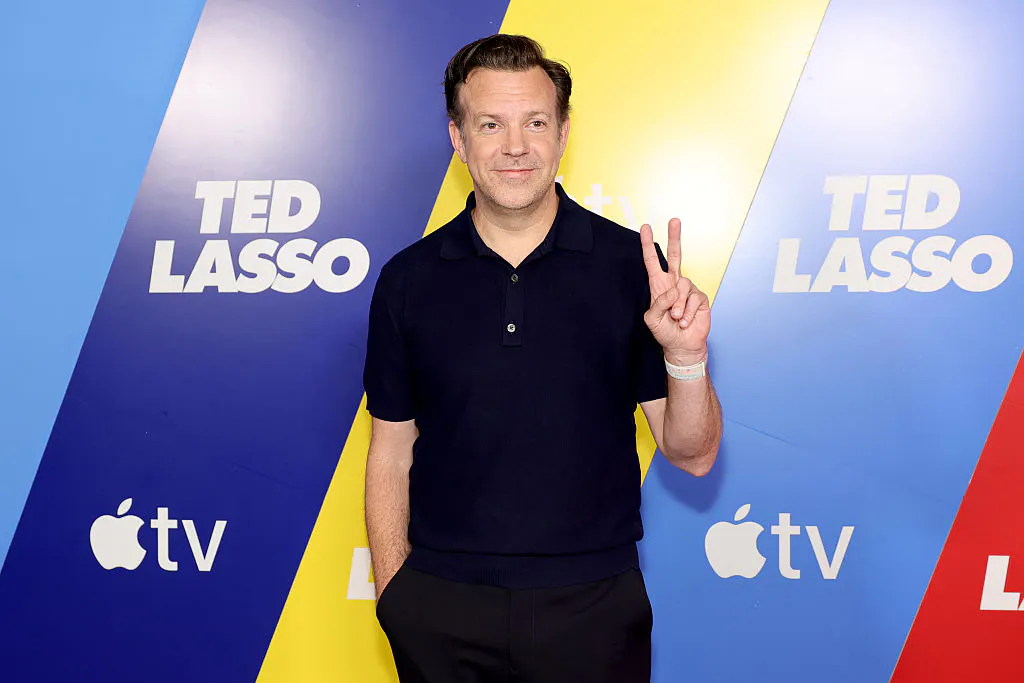
The new season of Apple TV’s runaway success “Ted Lasso,” which tells the story of a plucky American football coach who crosses the pond to helm a flagging English soccer team, has returned for a belated fourth season with a twist: this time, Jason Sudeikis’s mustachioed hero is leading the women’s team.
Freedom Is Back
In Style
Premium domains for sale
In an uneven yet strong season, the series highlights several legitimately unique team aspects that can only come from a story about women’s sports, some genuine problems and some banal feminist grievances.
One particularly strong episode focuses on how female-specific social dynamics impact team harmony, as the coaching staff must separate cliques growing in the locker room. It’s the kind of sharp observation that uses the team’s femininity as a storytelling strength, allowing the players to enact a wide spectrum of vices and virtues where their womanhood is a vital part of the story.
However, for how strong the specificity is around the Lady Greyhounds as a second-division women’s soccer team, the show misses a unique opportunity to address the biggest problem plaguing women’s sports: men.
The trans athlete debate has been a centerpiece of Republican messaging. References to protecting women’s sports have been a constant refrain throughout the midterms and RNC speeches, and for good reason.
Seventy-three percent of Americans believe that men don’t belong in women’s sports, and two-thirds believe that there should be laws in place to ensure athletes only play on teams that match their birth sex. Beyond fairness, women’s physical safety on the field and privacy in the locker room are wildly important to protecting the next generation of women.
This season’s “Ted Lasso” takes on sexist slights, real and imaginary, with relative nuance for a show that regularly drops in unneeded progressive asides so it doesn’t scare blue-state critics away from a sports-loving Midwestern male protagonist. But it ignores the way biological men are actually encroaching on women’s spaces and taking women’s accomplishments.
A charming running joke throughout the season is Coach Lasso needing to ensure his players are all “decent” before he comes into the locker room for his signature motivational speeches, in contrast to the men’s team where he could walk in with ease. His running in to break up a loud fight with a trash bin over his head is a memorable visual, silly but wholly understandable.
While it’s patently obvious to people on both sides of the aisle why the protagonist must be careful not to walk into the locker room with impunity — to preserve the privacy of the women — liberal politicians and some women’s coaches cannot seem to understand that women deserve this privacy from biological men who merely claim womanhood.
A braver show could tackle this issue head-on, depicting through storytelling the tangible impacts biological men have on female athletes. The show wouldn’t need to turn into a political polemic or dedicate more than an episode or subplot to address it. But the higher risk of injury in going against larger and stronger men, loss of deserved prizes and scholarships, and discomfort being forced to change in front of males are impacting female athletes at the high school, collegiate, and professional levels.
The show is not opposed to addressing politicized aspects of women’s sports. Lasso’s fourth season confronts pay disparity, limited fan engagement, wary investors, and sexist administrators — subjects that are very real for female teams — but the extent to which they’re problems or understandable outcomes of women’s sports being less popular with the general public than their male equivalents is far more up for debate.
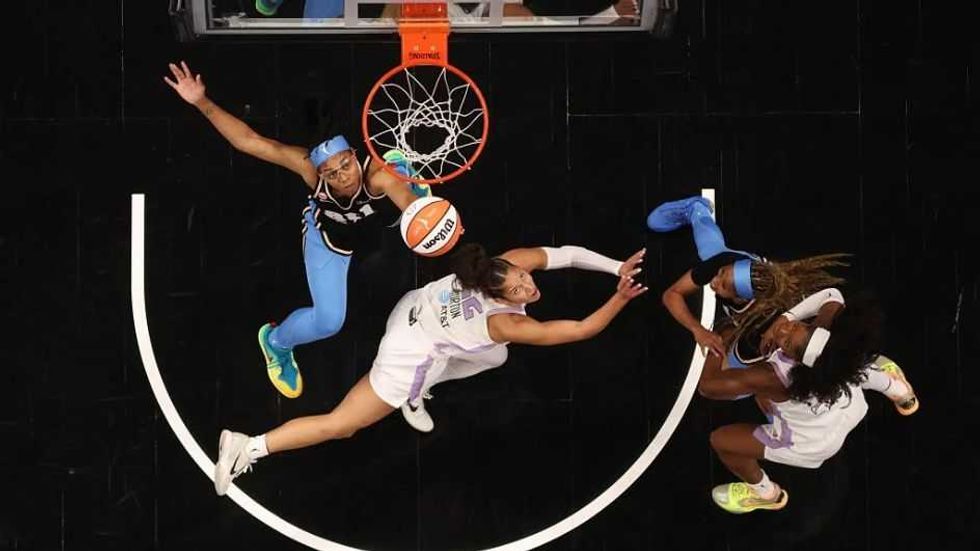
In real life, female athletes standing up for their rights to preserve women-only categories in sports, such as WNBA star Sophie Cunningham, face ostracization, harassment, and even on-court violence. Her supporters have been similarly tormented, with fans being threatened with expulsion from a game for wearing XX-XY Athletics T-shirts.
By focusing on a women’s soccer team, Ted Lasso had the opportunity to represent a crucial conversation plaguing the sports world. Instead, by bypassing the subject completely, the season fails to truly take a stand for the women it celebrates.
***
Paulina Enck is a media specialist in Washington, D.C.
More from this network:
Domains for Sale · GOTPeople.org · TheDSAPlatform · The Truth About Socialism
What's Your Reaction?
 Like
0
Like
0
 Dislike
0
Dislike
0
 Love
0
Love
0
 Funny
0
Funny
0
 Wow
0
Wow
0
 Sad
0
Sad
0
 Angry
0
Angry
0

I am just an average American. My teen years were in the late 70s and I participated in all that that decade offered. Started working young, too young. Then I joined the Army before I graduated High School. I spent 25 years in, mostly in Infantry units. Since then I've worked in information technology positions all at small family owned companies. At this rate I'll never be a tech millionaire. When I was young I rode horses as much as I could. I do believe I should have been a cowboy. I'm getting in the saddle again by taking riding lessons and see where it goes.
Premium domains for sale

















Comments (0)