

Why We Can’t Just Prosecute Our Way To Secure Elections
Premium domains for sale
Freedom Is Back In Style
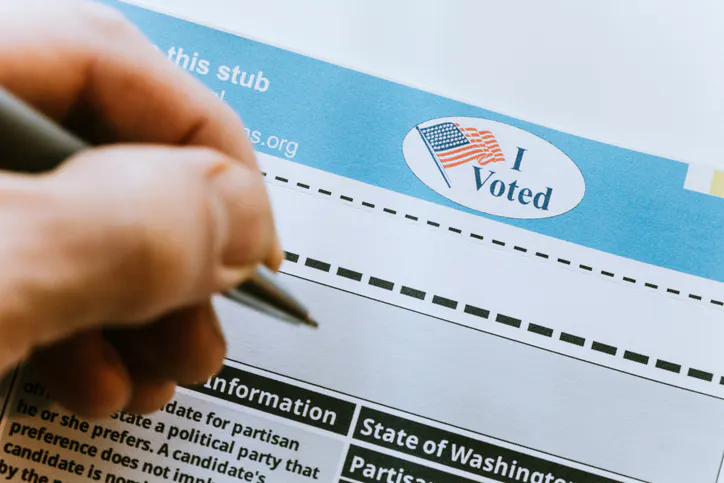
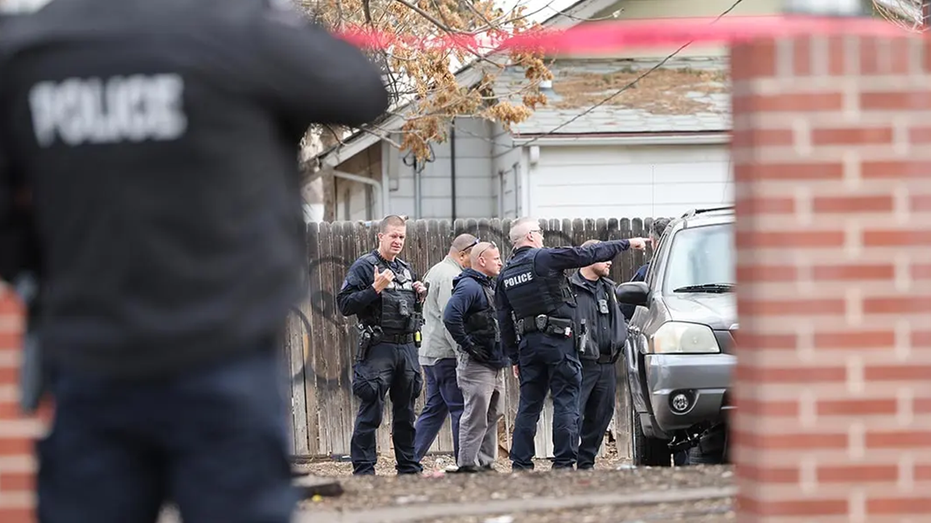
Federal prosecutors recently announced charges against five individuals in Pennsylvania, New Jersey, and Wisconsin for allegedly registering or voting unlawfully in federal elections. According to the Justice Department, four of the defendants are noncitizens accused of casting ballots, while a fifth, a U.S. citizen, is accused of helping his noncitizen wife register and vote.
Freedom Is Back
In Style
Premium domains for sale
Whenever cases like these emerge, the debate quickly turns to a familiar question: How common is noncitizen voting?
Apparently more common than we have been led to believe. Yet an equally important question is how these individuals made it through the system and cast ballots in the first place.
The cases involve different people, different states, and different election systems. Yet they all point to the same concern: federal prosecutors say individuals who were not eligible to vote were still able to register and cast ballots.
The New Jersey case is particularly striking. Federal prosecutors allege that Mercedes Alexandra Cardoso used the state’s online voter registration system, falsely certified that she was a U.S. citizen, and later voted in the June 2024 primary.
That case surfaced only weeks after New Jersey disclosed a separate problem involving its voter registration system. State officials acknowledged that approximately 6,600 noncitizens were registered to vote and that nearly 400 later cast ballots. According to the state, many of those individuals had identified themselves as noncitizens during motor vehicle transactions but nevertheless ended up on the voter rolls.
The two matters are separate, but they highlight the same vulnerability. Errors or failures during voter registration can have consequences later, and once a ballot has been cast, those consequences cannot easily be undone.
Pennsylvania and Wisconsin provide similar examples. According to federal charges, a Pennsylvania defendant falsely claimed U.S. citizenship, registered to vote, and cast a ballot in the 2024 election. Federal prosecutors also charged a noncitizen woman with voting and charged her husband with helping facilitate her registration and voting. In Wisconsin, prosecutors allege that another defendant voted in a federal election while knowing he was not a U.S. citizen.
One case might be dismissed as an anomaly. Cases in three different states should be viewed as a warning. Different defendants and different election systems produced the same result: according to federal charges, ineligible individuals successfully registered and voted. That should concern anyone who cares about election integrity, regardless of party affiliation.
Some will argue that these prosecutions prove the system is working. In one sense, they do. Law enforcement identified alleged violations and brought charges. That accountability matters. The Trump administration deserves credit for using federal tools to enforce the law and address problems that too often have been allowed to linger.
But prosecutions happen after the fact.
An indictment years later does not remove an illegal ballot from the ballot box. It does not restore the lawful vote that was diluted. Enforcement is necessary, but enforcement alone is not enough. The objective should be preventing unlawful votes from being cast in the first place.
That is why Congress should act. The SAVE America Act would require proof of citizenship for federal voter registration and give election officials additional tools to verify eligibility before issuing a ballot. Rather than waiting for prosecutors to discover problems years after an election, lawmakers should focus on preventing those problems before they occur.
The five cases announced by the Justice Department do not tell us how widespread noncitizen voting may be. They do tell us that vulnerabilities exist and that election officials should have the tools necessary to identify and prevent ineligible voting before it occurs. According to federal charges, noncitizens voted in three different states, while New Jersey’s recent registration failure showed how easily front-end problems can create later issues.
The answer, however, is not to lose faith in our elections or to stay home on Election Day. Every eligible American should vote because every lawful vote matters. Those who want stronger elections should do more than express concern about the process. They should take part by volunteering as poll workers, serving as election observers, or helping local election offices administer elections fairly, accurately, and transparently.
Congress has a role to play as well. The choice facing lawmakers is straightforward: verify citizenship before the next ineligible ballot is cast, or keep relying on prosecutions after the damage is already done.
The five cases in Pennsylvania, New Jersey, and Wisconsin therefore leave policymakers with a more useful question than simply asking how often noncitizen voting occurs. What safeguards should exist before a ballot is issued, and how should those safeguards verify citizenship while ensuring eligible Americans can register and vote?
Law enforcement can investigate an unlawful vote after Election Day. Election law determines what happens before it is cast.
***
Ken Cuccinelli is the former Virginia attorney general and former acting deputy secretary of the Department of Homeland Security.
More from this network:
Domains for Sale · GOTPeople.org · TheDSAPlatform · The Truth About Socialism
What's Your Reaction?
 Like
0
Like
0
 Dislike
0
Dislike
0
 Love
0
Love
0
 Funny
0
Funny
0
 Wow
0
Wow
0
 Sad
0
Sad
0
 Angry
0
Angry
0

I am just an average American. My teen years were in the late 70s and I participated in all that that decade offered. Started working young, too young. Then I joined the Army before I graduated High School. I spent 25 years in, mostly in Infantry units. Since then I've worked in information technology positions all at small family owned companies. At this rate I'll never be a tech millionaire. When I was young I rode horses as much as I could. I do believe I should have been a cowboy. I'm getting in the saddle again by taking riding lessons and see where it goes.
Premium domains for sale









Comments (0)