

A Tragic Case Is Forcing New Questions About Assisted Dying
Premium domains for sale
Freedom Is Back In Style
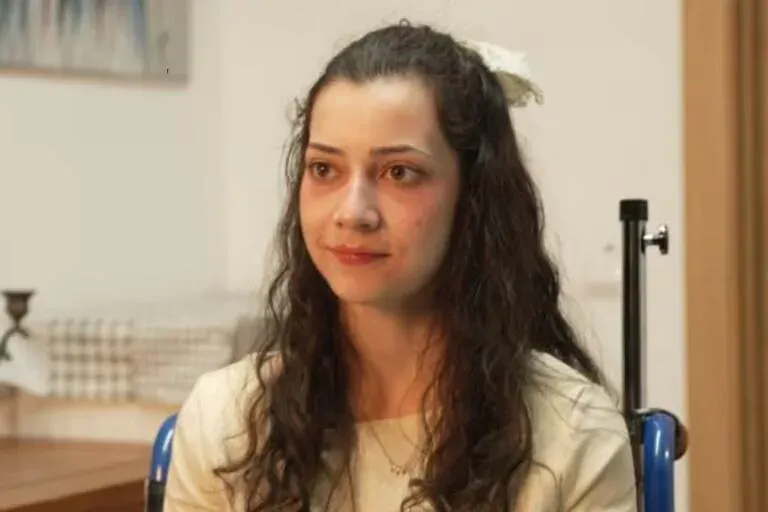
A 25-year-old woman in Spain is set to be euthanized on Thursday, bringing a controversial case that has ignited outrage over state responsibility, immigration policy, and the expansion of assisted dying to a close.
Freedom Is Back
In Style
Premium domains for sale
Freedom Is Back
In Style
Premium domains for sale
Noelia Castillo Ramos, from Barcelona, has been paraplegic since 2022, when she attempted suicide by jumping from a fifth-floor window. The attempt reportedly followed a period of severe psychological distress after she had been raped by three North African migrants while living in a state-run facility for vulnerable youth. Authorities have released limited details about those allegations.
Castillo has also said she was previously raped by a former boyfriend. The trauma of that period, combined with a long history of psychological struggles, culminated in the suicide attempt that left Castillo permanently paralyzed and in chronic pain.
“I simply want to go in peace and stop suffering,” Castillo said in a television interview. “None of my family is in favor of euthanasia. But what about my suffering?”
Her euthanasia request, first approved in 2024, set off a prolonged legal fight led by her father, who argued that her psychiatric history, including borderline personality disorder and obsessive-compulsive disorder, compromised her ability to make a fully informed decision.
Backed by the Christian legal group Abogados Cristianos, he appealed through every level of Spain’s judicial system, ultimately taking the case to the Constitutional Court and the European Court of Human Rights. Each challenge was rejected, with courts finding Castillo met the legal criteria.
Critics argue the case represents a cascading institutional failure: a vulnerable young woman placed in state care, subjected to trauma, left with life-altering injuries, and ultimately approved for euthanasia.
The case has also drawn international commentary. El Salvador President Nayib Bukele has been the lone world leader weighing in, arguing that some human rights frameworks place too much emphasis on autonomy in death rather than protection in life.
Supporters of Spain’s law counter that the system is working as designed, allowing individuals facing irreversible suffering to make their own decisions with dignity and legal safeguards.
Castillo has remained consistent in her decision.
“I was very clear from the beginning,” she said. “I simply want to go in peace.”
In her final interview, Castillo said she hopes to “finally rest,” adding that she plans to wear her “prettiest dress” and put on makeup for the procedure. She indicated she wished to be alone at the moment of her death, while keeping several childhood photographs nearby, reminders, she said, of the few happy moments in her life. Her mother, though opposed, has said she will remain by her side.
Barring any last-minute intervention, Castillo’s euthanasia is expected to proceed.
The case is expected to fuel ongoing debate over the role of government, mental health, and the expansion of assisted dying laws in Western countries.
What's Your Reaction?
 Like
0
Like
0
 Dislike
0
Dislike
0
 Love
0
Love
0
 Funny
0
Funny
0
 Wow
0
Wow
0
 Sad
0
Sad
0
 Angry
0
Angry
0

I am just an average American. My teen years were in the late 70s and I participated in all that that decade offered. Started working young, too young. Then I joined the Army before I graduated High School. I spent 25 years in, mostly in Infantry units. Since then I've worked in information technology positions all at small family owned companies. At this rate I'll never be a tech millionaire. When I was young I rode horses as much as I could. I do believe I should have been a cowboy. I'm getting in the saddle again by taking riding lessons and see where it goes.
Premium domains for sale












Comments (0)