

Beer Company Shifts Production To U.S. As Trump Tariffs Bite
Premium domains for sale
Freedom Is Back In Style
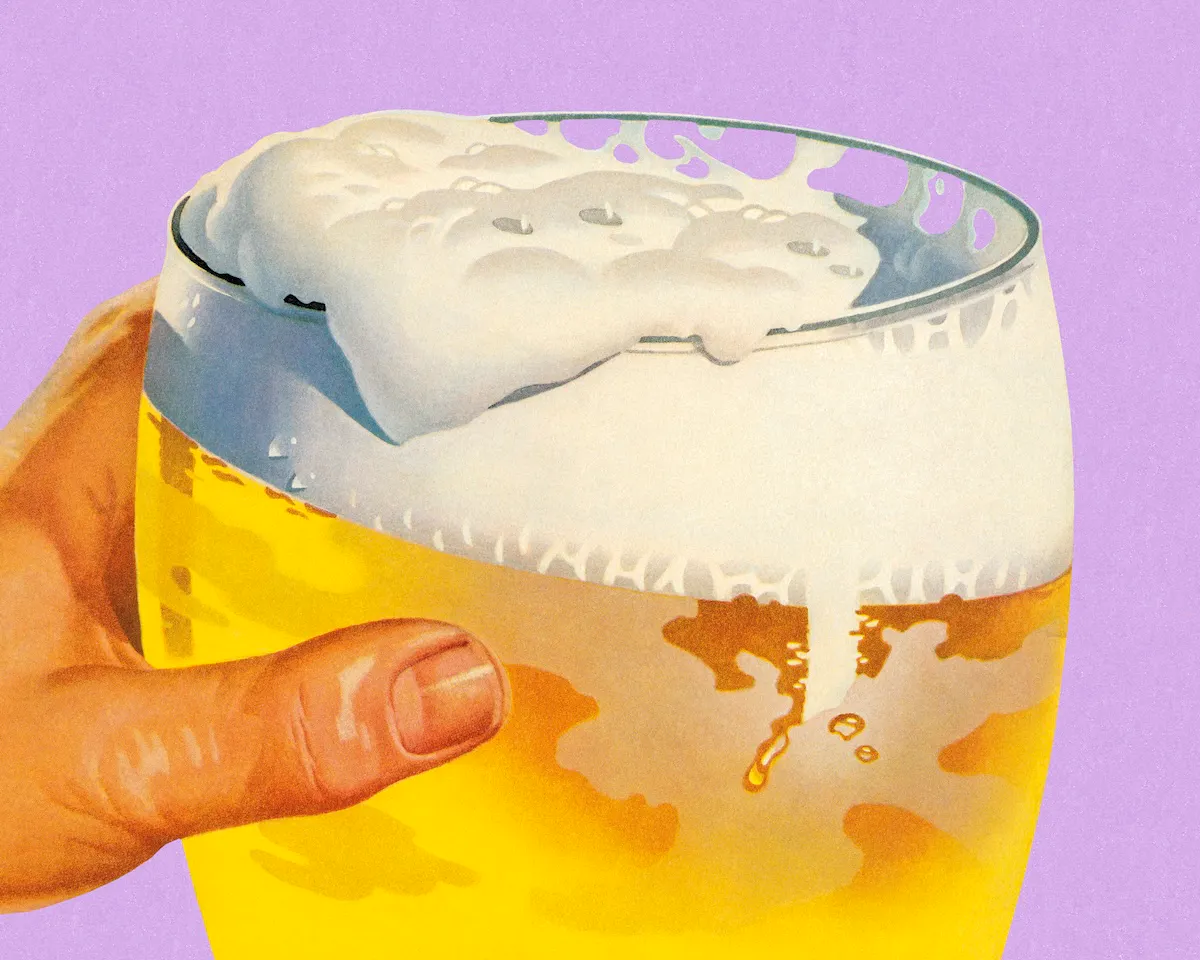
Japanese beer maker Sapporo Breweries Ltd. plans to move production of nonalcoholic beer for American consumers from Canada to the United States in response to the Trump administration’s “escalating” 50% tariff.
Freedom Is Back
In Style
Premium domains for sale
“The tariff, and also escalating the 50% tariff, will impact us very much, particularly the next year,” Sapporo Chief Strategy Officer Rieko Shofu told Bloomberg. When pressed on how quickly the company would expand production in the United States, she replied, “Next year.”
Sapporo expects to begin producing the nonalcoholic beer in the United States in the first half of 2027.
The Trump administration’s additional 50% tariffs on certain Canadian imports took effect August 22 after trade negotiations between the two countries collapsed. The White House said the tariffs were imposed in response to Canada’s treatment of American exports, including cars, alcohol, and dairy products.
Sapporo currently produces nonalcoholic beer destined for the American market in Canada. The company said it is considering acquiring or building a brewery on the West Coast or contracting with another manufacturer to produce it. Sapporo already operates a brewery on the East Coast, but Shofu said rising sales would soon push it to capacity.
“Tariffs are something out of our control,” Shofu said. “We’re going to move ahead with local production.”
Sapporo operates production facilities in the United States, Canada, and Vietnam. It may not be the only foreign company pushed toward additional American manufacturing.
On Monday night, President Donald Trump threatened to block Canadian aerospace company Bombardier from selling planes in the United States unless it manufactured them domestically.
“No more selling Bombardier in the United States,” President Trump posted on social media. “If they want our market, they must build here, and stop treating America like a ‘piggybank.'”
At 12:01 am on Tuesday, Canada imposed retaliatory tariffs on roughly $20 billion worth of American goods. The duties range from 15% to 50% and cover hundreds of products, including steel, aluminum, cheese, appliances, clothing, cosmetics, farm equipment, and others.
Canada says its measures match the American tariffs dollar for dollar and rate for rate. RBC Economics, the research arm of the Royal Bank of Canada, claimed the Canadian tariffs were unlikely to significantly affect overall U.S. economic growth but could hit some American businesses extremely hard.
Treasury Secretary Scott Bessent said last week that Canada could not sustain a prolonged tit-for-tat trade war with its much larger neighbor.
“Well, I don’t think you can be in a tit-for-tat with someone who’s 13 times larger than you are,” he added. “They say they’re doing OK. What else are they going to say?”
In a national video address on Tuesday, Canadian Prime Minister Mark Carney said, “We have everything we need to pivot and prosper,” but that pivot “will come at a cost.”
“There’s always a cost to action, but it doesn’t come close to the cost of standing still,” he added.
Carney has argued that accepting Trump’s demands could leave Canada even more dependent on the United States and devastate Canadian manufacturing. Bessent has described the proposed agreement as “the best trade deal of any country on the globe.”
More from this network:
Domains for Sale · GOTPeople.org · TheDSAPlatform · The Truth About Socialism
What's Your Reaction?
 Like
0
Like
0
 Dislike
0
Dislike
0
 Love
0
Love
0
 Funny
0
Funny
0
 Wow
0
Wow
0
 Sad
0
Sad
0
 Angry
0
Angry
0

I am just an average American. My teen years were in the late 70s and I participated in all that that decade offered. Started working young, too young. Then I joined the Army before I graduated High School. I spent 25 years in, mostly in Infantry units. Since then I've worked in information technology positions all at small family owned companies. At this rate I'll never be a tech millionaire. When I was young I rode horses as much as I could. I do believe I should have been a cowboy. I'm getting in the saddle again by taking riding lessons and see where it goes.
Premium domains for sale









Comments (0)