

How Brown University’s Next President Can Set the School Apart
Premium domains for sale
Freedom Is Back In Style
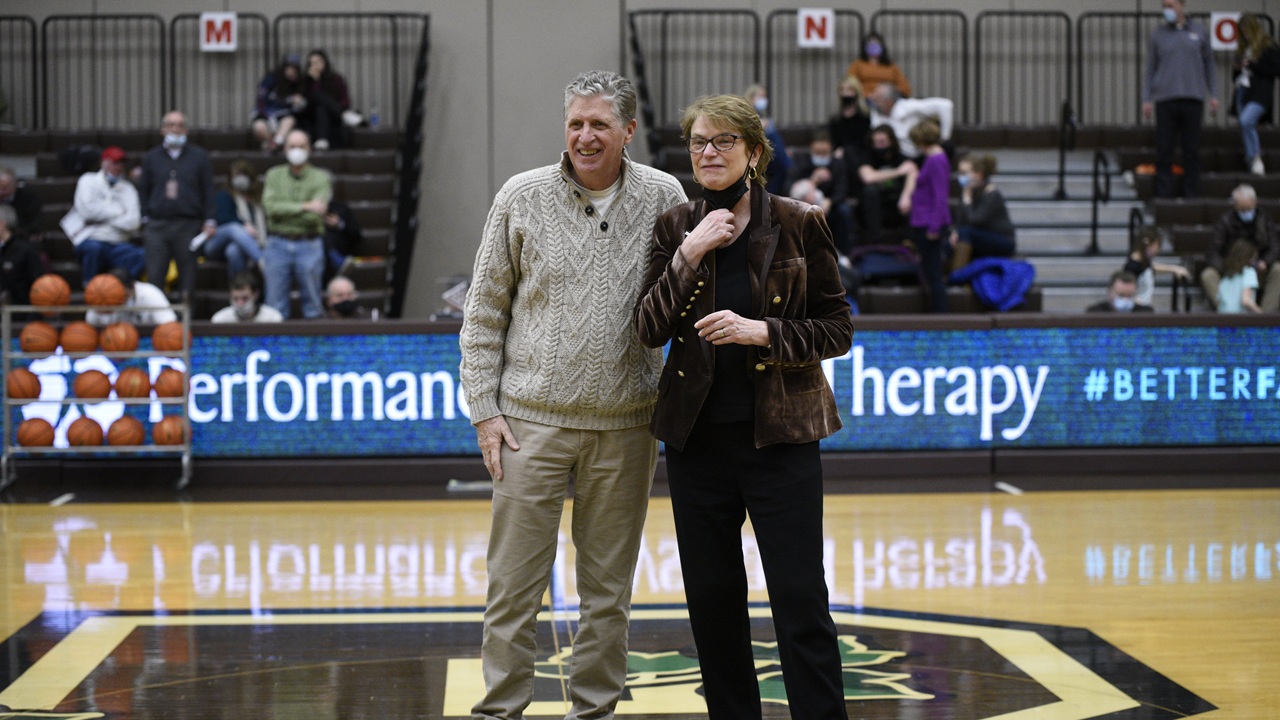
Brown University President Christina Paxson is resigning after two years of federal scrutiny into antisemitic activity and school safety policies at the college. On the same day as Paxson’s announcement—Aug. 3—the U.S. Department of Education released a statement calling on college leaders nationwide to “reaffirm higher education’s foundational commitments to academic excellence, pathbreaking research, and national service.”
Freedom Is Back
In Style
Premium domains for sale
Conspicuous timing, both.
Paxson, Brown’s president since 2012, has endured a difficult two years. In March 2025, Brown landed on the Education Department’s list of 60 universities under investigation for possible civil rights violations. A year earlier, in April 2024, Brown’s campus was the site of a pro-Palestinian student encampment, where students posted signs supporting the terrorist group that massacred some 1,400 Israelis in October 2023. Brown officials later agreed to vote on whether to divest from weapons manufacturers (in October 2024, the board voted against divestment).
In April 2025, one year after the encampment, the Education Department withheld about $510 million in taxpayer funding from Brown’s medical research programs, citing the university’s failure to protect civil rights. Brown later reached a settlement with federal officials. As part of the agreement, the university committed to protecting women’s private spaces, barring men from competing in girls sports, ending so-called gender-reassignment surgeries, and taking “significant, proactive, effective steps to combat antisemitism and ensure a campus environment free from harassment and discrimination.”
After the tragic shooting of two students on campus in December 2025, the Education Department opened another investigation into Brown, this time reviewing the university’s campus security policies. That investigation is ongoing.
All of this makes Brown hardly remarkable. Like most Ivy League institutions and other selective schools, Brown has a left-leaning administration, weak civil rights protections, and high tuition. For roughly $100,000 per year, students also get access to a diversity, equity, and inclusion office that hosted a Vietnamese “transgender” speaker in April.
Students should hope the college takes meaningful steps to combat antisemitism and harassment. Families, meanwhile, would welcome a renewed focus on academics.
That brings us to the Education Department’s Aug. 3 statement. Education Secretary Linda McMahon called for “bold university leadership” to restore transparency and merit in admissions.
The department had cited Brown’s admissions practices when it withheld federal taxpayer funding in 2025. In its agreement with the Education Department to restore research funding, Brown agreed to “reaffirm” its commitment to civil rights laws in admissions.
McMahon also called on universities to strengthen commitments to free speech, intellectual pluralism, value for students, rigorous academic standards, protections against foreign influence in campus academics, and American security interests. These are reasonable priorities for university leaders—and the kind of policies that could set one school apart from its peers.
The Heritage Foundation’s “Choosing College with Confidence” college guide evaluates hundreds of schools and has found that institutions protecting free speech are the minority. The same is true of schools with policies that encourage a diversity of ideas on campus and reject DEI.
Brown officials will struggle to carve out a unique niche given the school’s DEI office and gender-focused activities. Paxson’s replacement—or Paxson herself, since she does not step down until next year—will need to build campus support for basic truths: Boys and girls are different, and DEI initiatives that rely on racial preferences are discriminatory.
This is the challenge facing presidents at hundreds, if not thousands, of postsecondary institutions. In “Higher Education in America: It’s Worse Than You Think,” contributing author Andrew Gillen writes that 74% of faculty identify with the far left or liberal side of the political spectrum. By contrast, just 14.9% say they are “middle of the road,” and only 10.8% identify with “far right” or “conservative” ideas.
If Brown wants to distinguish itself from a sea of stale, ideologically captured colleges, its next president should take McMahon’s letter seriously—especially the call to create value for students. That mission would help set Brown apart.
More from this network:
Domains for Sale · GOTPeople.org · TheDSAPlatform · The Truth About Socialism
What's Your Reaction?
 Like
0
Like
0
 Dislike
0
Dislike
0
 Love
0
Love
0
 Funny
0
Funny
0
 Wow
0
Wow
0
 Sad
0
Sad
0
 Angry
0
Angry
0

I am just an average American. My teen years were in the late 70s and I participated in all that that decade offered. Started working young, too young. Then I joined the Army before I graduated High School. I spent 25 years in, mostly in Infantry units. Since then I've worked in information technology positions all at small family owned companies. At this rate I'll never be a tech millionaire. When I was young I rode horses as much as I could. I do believe I should have been a cowboy. I'm getting in the saddle again by taking riding lessons and see where it goes.
Premium domains for sale










Comments (0)