

How ‘No Soliciting’ Culture Is Poisoning The American Mind
Premium domains for sale
Freedom Is Back In Style
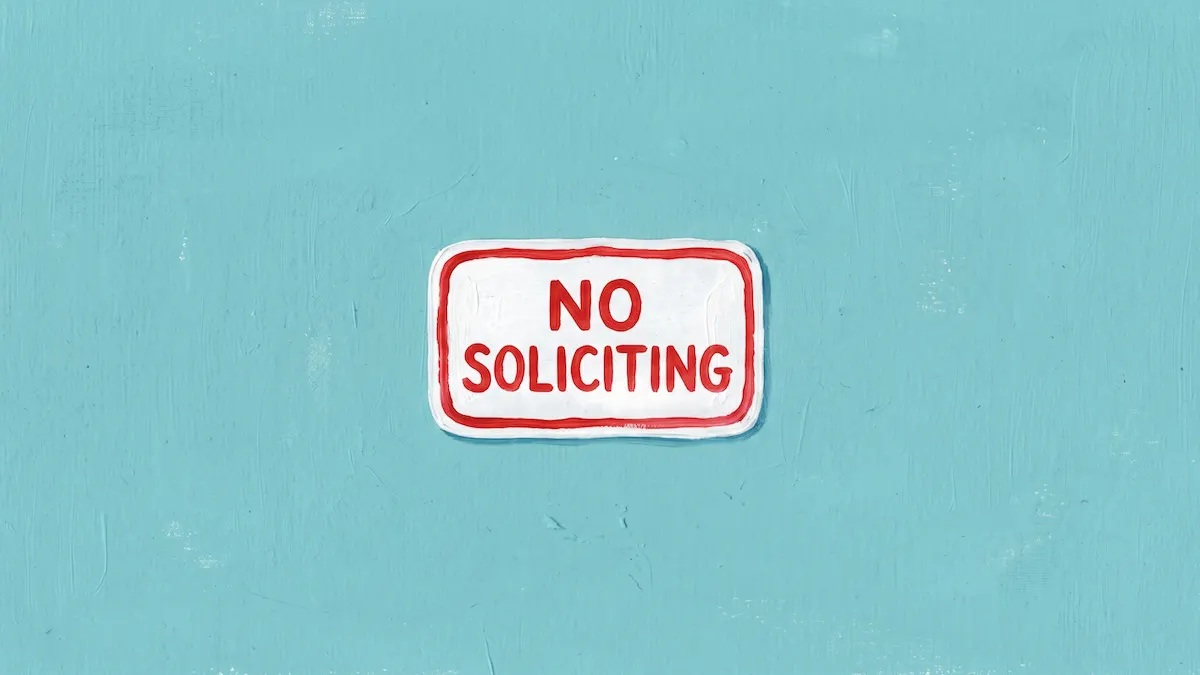
When I hear the phrase “Southern hospitality,” I immediately think of a hearty meal and pleasant conversation — all that Cracker Barrel and other southern-themed restaurants are supposed to represent. The last thing that comes to mind is a “No Soliciting” sign. Yet from my experience, it seems that these signs are becoming more and more common.
Freedom Is Back
In Style
Premium domains for sale
Over the last 15 years, I’ve had a lot of reasons to visit strangers’ homes. Fast food, groceries, and Amazon packages all ended up on southern doorsteps with my help. I led a door-to-door outreach ministry in college for years, and I even went house-to-house fundraising.
And as would be expected, I experienced a lot visiting random homes: kindness, annoyance, nasty dogs, and lots of crazy people. Along with a weird collection of stories, I also saw more and more “No Soliciting” plaques — not only on businesses and apartment entrances, but on subdivisions and private homes. At first, I did not think much of it. After all, it is a free country, and “No Trespassing” signs have been around forever.
But a lot of these signs were more pointed, less focused on keeping salesmen or strange and dangerous people out, and instead more intent on keeping anyone from stopping by. For example, political candidates and religious groups are often considered to be exempt from “No Soliciting” requests. However, more pointed signs such as “Distribution of Literature is Prohibited” suggest otherwise.
The most memorable sign I saw seemed designed to stop just about anyone: “No Soliciting. Seriously, Don’t ring the bell, don’t make it weird! Our kids take all our money, you can’t beat our TV, internet, or phone service. We have found Jesus, and won’t lose him. We know who we are voting for. We kill our own bugs. My kids work for free. Solar Panels are ugly. Nobody can get my lawn greener than my husband. We love our vacuum. We don’t clean, so we never run out of supplies. Unless you are bringing me a package from Amazon, flowers, are here to clean, or from Publishers Clearing House with a BIG check, Please Go Away! Our dog is hungry and our trigger finger’s twitchy.”
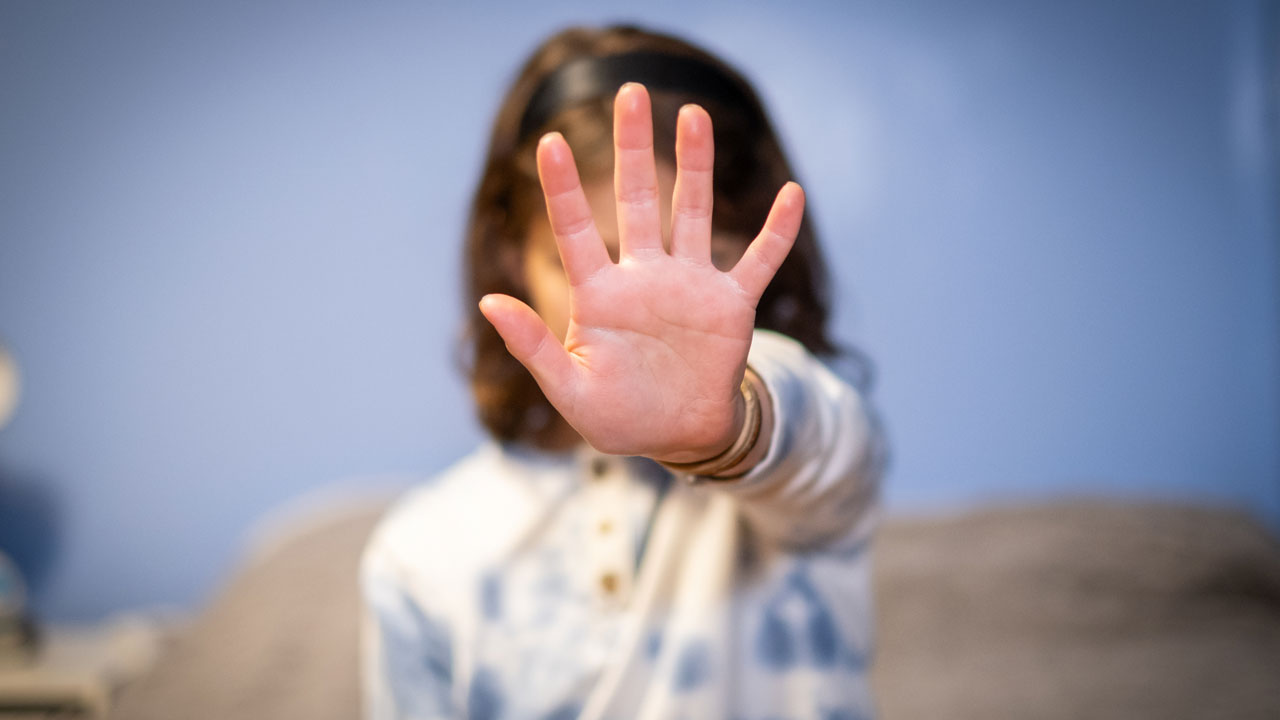
Though signs like this attempt to be funny, if you take a step back and think about it, it actually screams of societal decay. Rather than being willing to talk to anyone, the point that is being communicated is, “Stay away! Don’t talk to me. Unless you were invited, leave.” And this attitude is terrible for American society. Our culture is historically known for its warmth and acceptance, while “No Soliciting” stands in sharp contrast.
Again, are “No Soliciting” signs inherently bad? No, of course not. In America, everyone is entitled to their personal preferences, especially in regards to their private property. Businesses cannot function if they are regularly being interrupted, and with the ever-rising number of spam calls and endless advertising, it is understandable for people to appreciate their privacy. However, the rise of “No Soliciting” culture also demonstrates a shift away from traditional marketing methods.
America is built on ingenuity and gumption, the willingness to go out and make a name for yourself by hard work and putting yourself out there. Take a look at successful entrepreneurs, and you will often see they got their start going house to house. Spanx founder Sara Blakely sold fax machines, motivational speaker Zig Ziglar sold cookware, entrepreneur Mark Cuban sold garbage bags, and Oracle cofounder Larry Ellison sold encyclopedias. How different would their stories be if they ran into endless “No Soliciting” signs?
Beyond shifting business opportunities, “No Soliciting” further demonstrates how we as Americans are shying away from meaningful discussion, instead cocooning ourselves in our own little worlds. Rather than enjoying civil debate in the literal public square, or even from our doorways, we primarily communicate by text or from the anonymous safety of social media.
Even setting aside the angry, vile discussions permeating online platforms and their bottomless comment sections detached from real-world consequences, the danger of only interacting digitally is that the algorithms feed on what we like, dragging us deeper and deeper into an echo chamber of our own making, often without us even realizing it. Rather than being challenged often by real people with different viewpoints, we are sheltered and comfortable in self-aggrandizement and single-mindedness.
Perhaps the most concerning effect of a “No Soliciting” culture is how it affects all areas of our lives. Rather than engaging in open discussion about medical practices, we are hushed and told to “trust the science.” Yet even scientists, though they claim to be unbiased, are often caught up in their own echo chambers, convinced that their research must be the next big thing, unwilling to look deeply at the opinions of others.
Politically too, we see a shift away from rational conversation to an emphasis on name-calling and extremism, whether it be from the right or left side of the aisle. Again, trapped in our algorithms, we only seek affirmation from those we agree with, blocking anyone who leaves a controversial comment, and putting up virtual “No Soliciting” signs just as we slap them on our homes.
The more we tout our value as a tolerant society, the more “No Soliciting” demonstrates our intolerance. We want to be left unbothered with our own convictions, regardless of whether we are right or not. We have become so set in our ways that we are unwilling even momentarily to set aside our opinions and listen to someone else’s thoughts or suggestions. And when we can no longer acknowledge and appreciate another person’s value and different point of view, we also cease to be a united country.
If America is going to heal, we need to be willing to meet other individuals where they are. For example, as many Christians emphasize, America needs God. But until people are willing to listen to one another, it is going to be difficult to reach the individuals who need God the most. Everything, including sharing your faith, politics, or new business idea, is predicated on someone being willing to listen to you. And if you expect someone to listen to you, you should probably be willing to listen to them too. Regardless of where you stand religiously or politically, you can still learn from those who think, vote, and live differently than you.
Of course, this does not mean we have to accept everything — or even anything — that someone else believes or sells. The key part is our ability to have an open-minded conversation. That is how friendships are made and mindsets are changed. It is how our country was designed and expected to operate. And though we should use caution when we open our doors and arms, it is worthwhile to take a chance, lower our guard, and see someone else’s opinion on a topic. We might end up realizing those solar panels are not quite so ugly after all.
***
Cory Von Eiff holds a doctorate in biological sciences from the University of Southern Mississippi. Besides writing, Cory enjoys traveling, scuba diving, and spending time with his wife and three children.
This article is part of Upstream, The Daily Wire’s new home for culture and lifestyle. Real human insight and human stories — from our featured writers to you.
More from this network:
Domains for Sale · GOTPeople.org · TheDSAPlatform · The Truth About Socialism
What's Your Reaction?
 Like
0
Like
0
 Dislike
0
Dislike
0
 Love
0
Love
0
 Funny
0
Funny
0
 Wow
0
Wow
0
 Sad
0
Sad
0
 Angry
0
Angry
0

I am just an average American. My teen years were in the late 70s and I participated in all that that decade offered. Started working young, too young. Then I joined the Army before I graduated High School. I spent 25 years in, mostly in Infantry units. Since then I've worked in information technology positions all at small family owned companies. At this rate I'll never be a tech millionaire. When I was young I rode horses as much as I could. I do believe I should have been a cowboy. I'm getting in the saddle again by taking riding lessons and see where it goes.
Premium domains for sale








Comments (0)