

How Trump Is Blocking The Goalposts For Sports’ Most Lucrative Deals
Premium domains for sale
Freedom Is Back In Style
A year ago, MAGA champion and House Judiciary Committee Chairman Jim Jordan (R-OH) fired a shot across the bow, calling on all major league sports commissioners to be honest about how the changing sports-viewing landscape affects fans. He made clear that Congress was watching as America’s sports leagues quietly moved more games behind expensive streaming paywalls, pricing out the working fans who fill the stands, pack the bars, and enthusiastically tune in to support their teams. It was a warning.
Freedom Is Back
In Style
Premium domains for sale
The leagues mostly shrugged. They should have listened.
On Tuesday, June 9, the Committee’s GOP majority released a new report debunking the leagues’ talking points defending the move to streaming. According to the hard-hitting review, “the NFL’s claim of a fan-friendly distribution model defies the reality experienced by millions of NFL fans.” The report continues, “the NFL’s current model of placing games behind a paywall, especially through its Sunday Ticket offering, is harming consumers. . .”
The concerns of consumers will be front and center on Wednesday when the antitrust subcommittee hears testimony on whether the Sports Broadcasting Act’s antitrust exemption is being twisted to harm consumers and benefit leagues’ bottom lines.
This is a smart and timely move by Chairman Jordan and subcommittee chairman Scott Fitzgerald (R-WI). Since his letter last year, other Republican leaders have followed, the Federal Communications Commission (FCC) has opened a review, and the Department of Justice has launched an investigation into potential anticompetitive practices by the NFL.
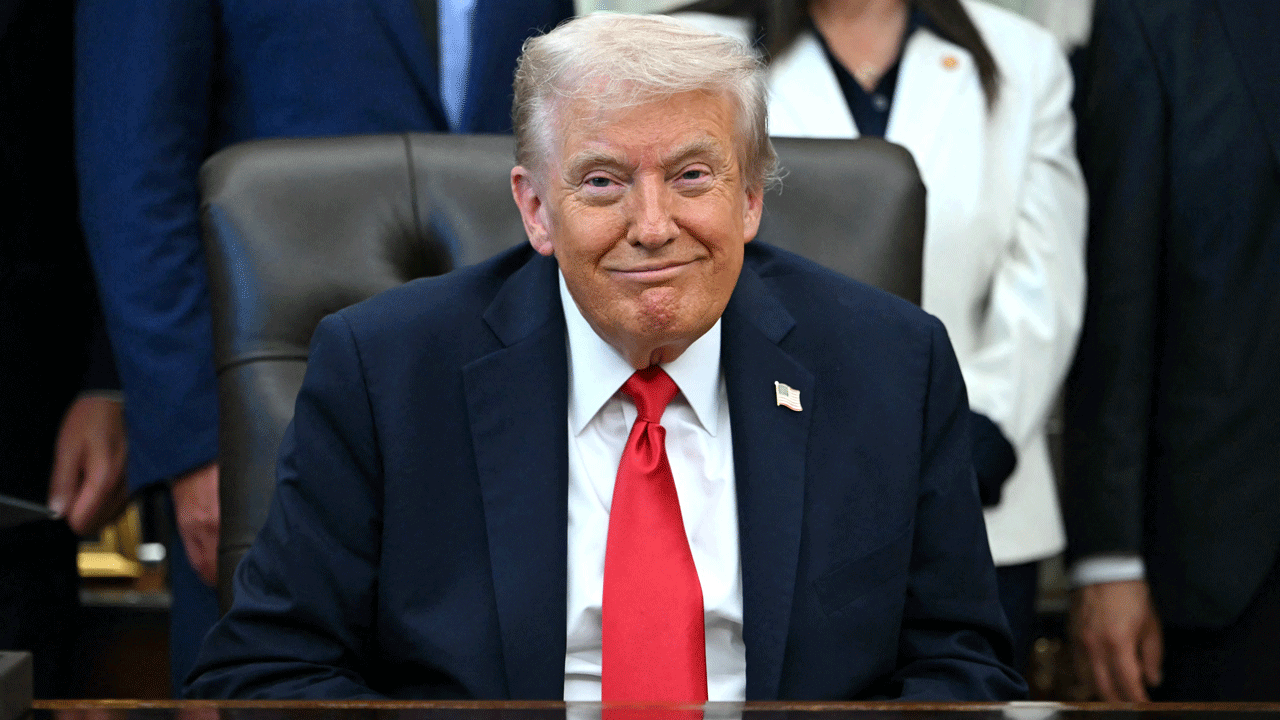
Most importantly, President Donald Trump himself said in a recent interview: “You have people that live for Sunday. They can’t think about anything else, and then all of a sudden they’re gonna have to pay $1,000 a game. It’s crazy, so I’m not happy about it.”
Where the administration and allies in Congress stand is clear: Putting fans first is America first.
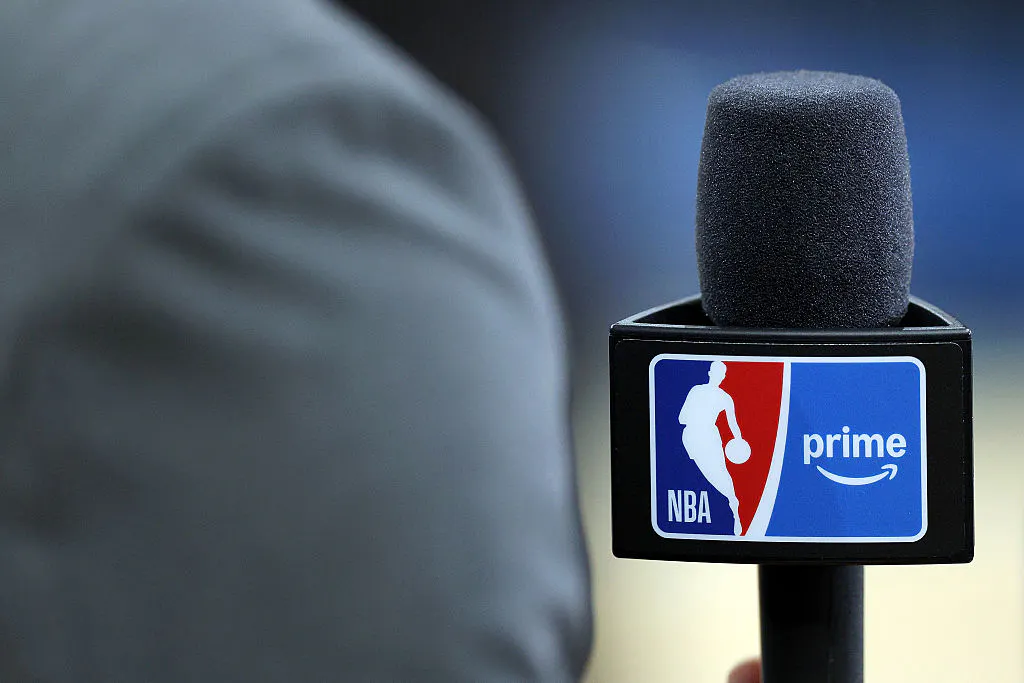
“$4,785. That’s How Much It Costs to Be a Sports Fan Now,” according to sports journalist Joon Lee. To watch every NFL game last season, die-hard fans needed subscriptions to nine different channels and streaming platforms, totaling more than $750. A recent Fox News national survey confirmed that nearly 6 in 10 sports fans say they’ve skipped watching a game because it was too expensive, with one-third saying this has happened “many times.” And it’s not just happening in living rooms. Restaurants and bars, where watching the game is a community ritual, are equally frustrated—in fact, a restaurant owner will be one of the witnesses at Wednesday’s hearing.
The leagues and Silicon Valley streamers are driving a wedge between fans and the teams they love. And as always, it hits hardest on families who can’t afford a different subscription for every sport, every platform, every week.
The leagues’ antitrust exemption was a product of its time, and even then, it wasn’t supposed to be a blank check. Courts have been explicit: that exemption covers free, sponsored telecasting, not pay TV, not satellite, not streaming. The leagues have been exploiting a regulatory no-man’s-land, benefiting from an antitrust shield while shifting games to platforms that sit outside it.
Roger Goodell, the NFL commissioner who presides over the most lucrative sports league in the world, was invited to testify but decided to skip the hearing. The image of an empty chair with a nameplate reading “Roger Goodell” may not materialize on C-Span, but his decision to decline the Chairman’s request speaks volumes.
That’s been the NFL’s playbook. When the FCC opened its review, the NFL didn’t engage until the last minute, while the other major leagues didn’t participate at all. The strategy is transparent: run out the clock, hope the political heat fades, and keep the money flowing.
But fan frustration isn’t dissipating. Every Sunday when a family can’t find the game, every bar owner who loses customers because the right subscription costs too much, every working-class fan priced out of a sport their family has followed for generations, that frustration will land somewhere. It will manifest in town halls, polling data, and ultimately in hearings like this one.
The leagues’ bet is that Washington’s attention span is shorter than their lawyers’ patience. That’s a bad bet, especially as the NFL makes things worse by moving next season’s holiday games online.
Sports is a national love affair, not merely another consumer product. The leagues thrive because of their social contract with the American people. Fans give them their loyalty, their money, and their Sundays. The leagues return that love with exciting action available to everybody. That’s the premise behind the telecast exemption.
Now the leagues are abandoning that deal in slow motion, and Congress is right to throw the flag. And fans, who have been patient long enough, are right to demand that policymakers protect their interests.
***
Daniel Suhr is the president of the Center for American Rights, a nonprofit, public interest law firm dedicated to protecting Americans’ most fundamental, constitutional rights.
More from this network:
Domains for Sale · GOTPeople.org · TheDSAPlatform · The Truth About Socialism
What's Your Reaction?
 Like
0
Like
0
 Dislike
0
Dislike
0
 Love
0
Love
0
 Funny
0
Funny
0
 Wow
0
Wow
0
 Sad
0
Sad
0
 Angry
0
Angry
0

I am just an average American. My teen years were in the late 70s and I participated in all that that decade offered. Started working young, too young. Then I joined the Army before I graduated High School. I spent 25 years in, mostly in Infantry units. Since then I've worked in information technology positions all at small family owned companies. At this rate I'll never be a tech millionaire. When I was young I rode horses as much as I could. I do believe I should have been a cowboy. I'm getting in the saddle again by taking riding lessons and see where it goes.
Premium domains for sale

















Comments (0)