

I Survived Abortion Drugs. Now Mail-Order Access Is Putting More Women in Danger.

Premium domains for sale
Freedom Is Back In Style
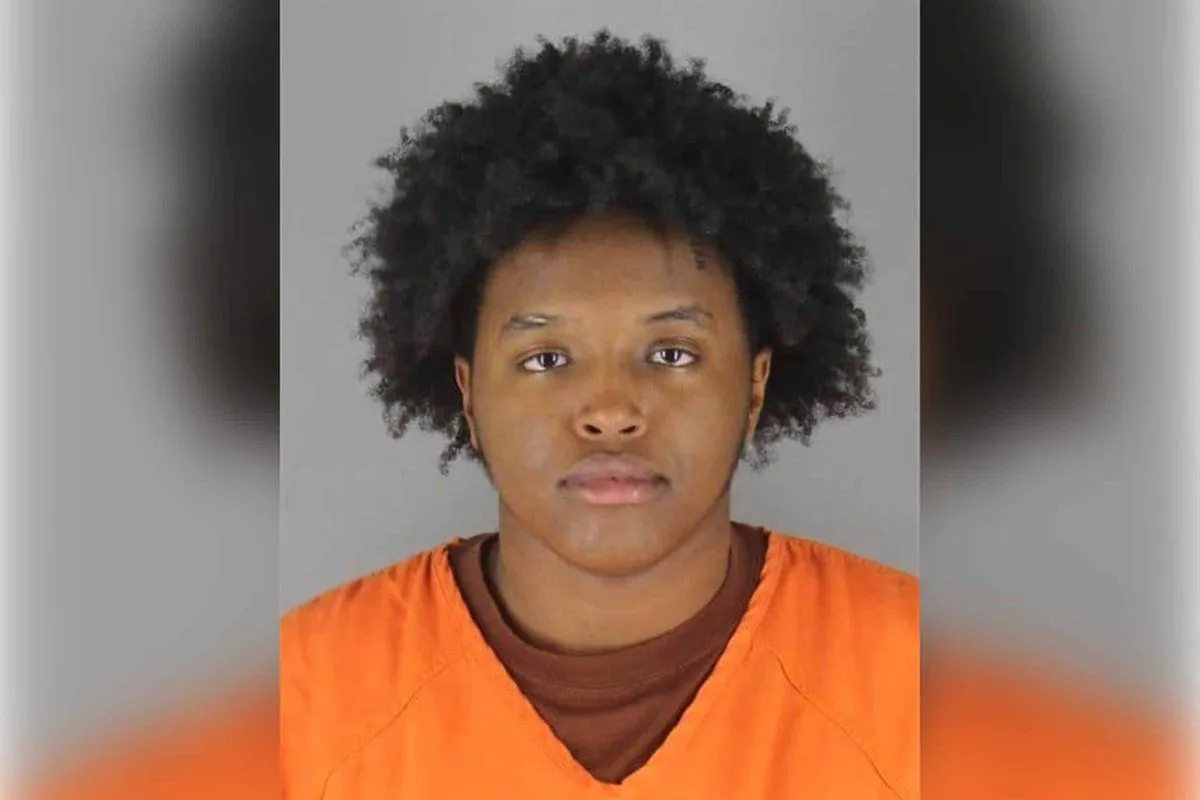
This week, a disturbing headline flashed across my phone. A West Point cadet was accused of secretly drugging his pregnant girlfriend with abortion drugs while she was incapacitated. Reportedly, he got the drugs online, concealed them from her, and used them as a weapon against both her and their child. His girlfriend started “violently bleeding” and needed to go to the hospital. Tragically, she suffered a miscarriage and lost her baby. The horrifying details shocked Americans; the breaking story has nearly 8 million views in just a few days. I know most people see this as a story of intrigue…but for me, it is not shocking at all. This story reflects a broader and increasingly documented pattern of abuse: abortion drugs obtained by men through mail-order channels and used to coerce or poison women into abortions against their wishes and consent.
Freedom Is Back
In Style
Premium domains for sale
Just a quick online search will bring up multiple stories of women harmed by abusers who bought drugs online. Jona Affholder from Ohio, whose ex-boyfriend shoved crushed drugs down her throat in the middle of the night. Catherine Herring, whose husband bought them online and started poisoning her with them. And others who were harmed by abortion drugs bought online. Many people are told that these drugs are “safe and effective.” A lot is hidden behind that phrase. “Safe and effective” for whom?
As a society, we’ve spent years debating abortion. I used to be sympathetic to pro-choice arguments. But after what happened to me personally, I was forced to confront the reality of abortion. How it really affects women and children. And cases like this force us to confront a question many policymakers and abortion advocates would rather ignore. What happens when these drugs fall into the wrong hands?
When I read Jane Doe’s story, I immediately recognized a troubling theme that appears again in these stories. Too often in an abortion, men place their own futures, reputations, or ambitions ahead of a woman’s health and well-being.
In Jane Doe’s case, her boyfriend chose to gamble with a woman’s health and a child’s life rather than accept responsibility. He apparently believed the risks to both were worth it to protect the future he envisioned for himself. He viewed that child as an obstacle to his ambition.
Fourteen years ago, I experienced a different side of the abortion drug industry. I willingly took them but my story ended with an ambulance ride and emergency medical treatment after I hemorrhaged so severely that I thought I was going to die — much like Jane Doe’s experience after her boyfriend drugged her.
I still remember lying in my bathtub, alone, bleeding heavily, terrified, and growing weaker by the minute. This was not the experience I’d been promised. This was not the “safe and effective” I was promised.
At least I encountered some barriers before obtaining the drugs. Today, that is not the case. Today, abortion drugs can be ordered and shipped with little more difficulty than purchasing a book online or ordering takeout. You don’t even have to be a woman — clearly — to get them. Jane Doe’s boyfriend allegedly obtained them online with remarkable ease.
That convenience has consequences.
In a culture that rightly places a premium on protecting women from abuse and exploitation, there is a glaring blind spot in the abortion debate. The same easy-access system celebrated by activists is being exploited by abusive partners, traffickers, and predators. Men like the one accused in Jane Doe’s case can obtain these powerful drugs without a woman’s knowledge.
How did we get here?
To push abortion drugs across the country, the Biden administration authorized prescribers to send abortion drugs through the mail into any state, removing the requirement that the prescriber meet with a woman in person before giving her the drugs. That decision helped usher in today’s mail-order abortion-drug marketplace.
Supporters celebrated those changes as a victory for abortion. But they gave too little consideration to the opportunities for coercion, abuse, and medical harm that expanded alongside it.
My own experience shows that even in-person dispensing does not guarantee safety. Women can still be harmed with these black-box, life-ending drugs. But removing medical oversight and allowing these drugs to be distributed with fewer safeguards only increases the risks.
The abortion industry often claims to put women first. Yet it has consistently supported policies that minimize risks, weaken oversight, and expand distribution of drugs that carry FDA black-box warnings. By dismissing concerns about coercion, complications, and informed consent, it has failed many of the very women, like Jane Doe, it claims to serve.
This latest poisoning case should be a wake-up call. The Biden rule that allows mail-order abortion drugs inexplicably remains on the books today, and it’s time for the current administration to end it and go back to the basic policy during President Trump’s first administration of requiring in-person office visits. Behind every statistic is a woman whose health, safety, or future was treated as expendable. Some survived. Some carried the trauma for years. All deserve better than slogans.
Because for women like Jane Doe, and for women like me, the question remains unanswered:
“Safe and effective” for whom?
***
Haile McAnally is a former Democrat and Nebraska pro-life advocate who survived life-threatening complications after taking abortion pills and now speaks out about her experience.
More from this network:
Domains for Sale · GOTPeople.org · TheDSAPlatform · The Truth About Socialism
What's Your Reaction?
 Like
0
 Dislike
0
 Love
0
 Funny
0
 Wow
0
 Sad
0
 Angry
0
I am just an average American. My teen years were in the late 70s and I participated in all that that decade offered. Started working young, too young. Then I joined the Army before I graduated High School. I spent 25 years in, mostly in Infantry units. Since then I've worked in information technology positions all at small family owned companies. At this rate I'll never be a tech millionaire. When I was young I rode horses as much as I could. I do believe I should have been a cowboy. I'm getting in the saddle again by taking riding lessons and see where it goes.
Premium domains for sale










Comments (0)