

KILL SWITCH AGENDA: You’ll own your car — until the government’s AI says you don’t
Premium domains for sale
Freedom Is Back In Style
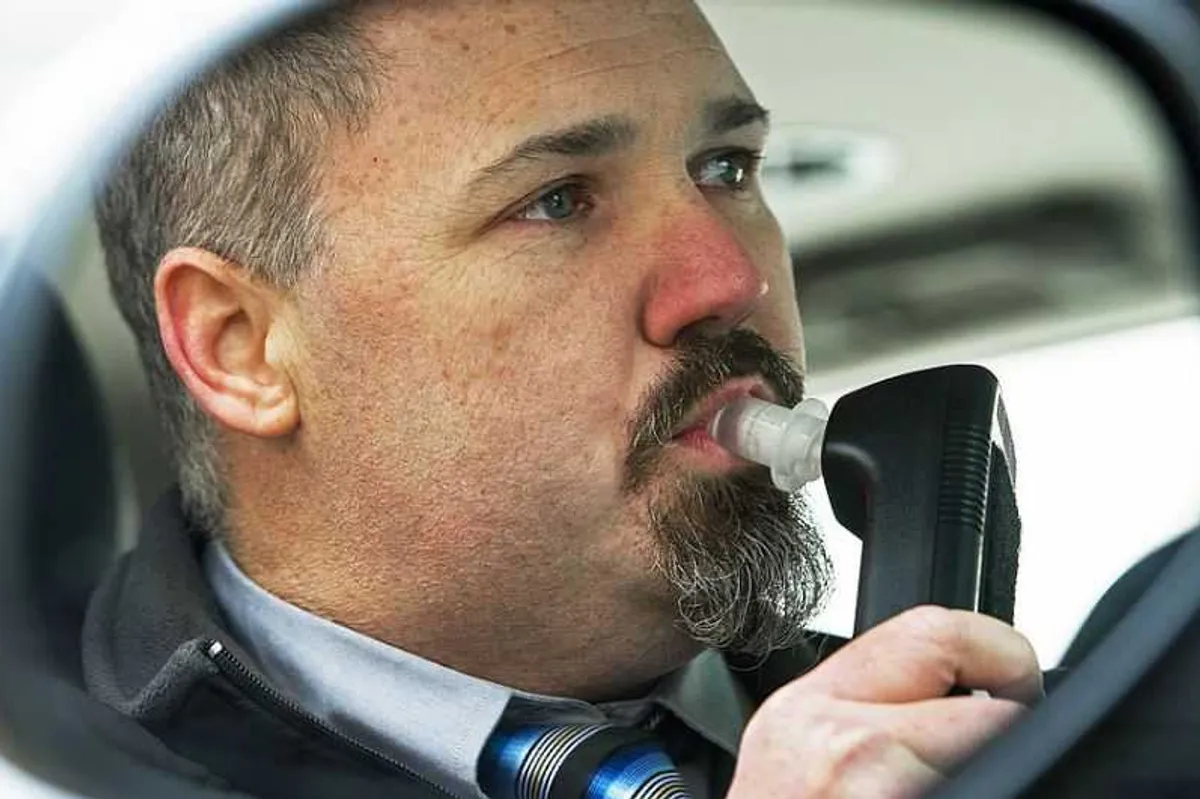
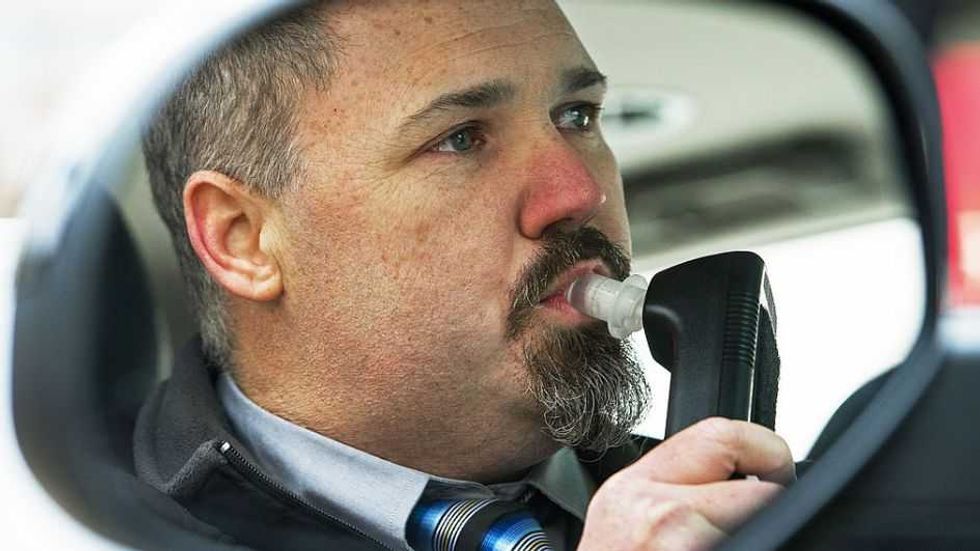
If you still believe you “own” your car, you’re already behind the eight ball. What you actually own is a permission slip on four wheels. A machine that watches you, evaluates you, and decides, in real time, whether you’re allowed to drive it.
Freedom Is Back
In Style
Premium domains for sale
Not a police officer. Not a court. Not even common sense. But instead — an algorithm.
Every piece of technology fails at some point. When it does, you’re stuck explaining to a machine why you deserve to drive your own vehicle.
And if that sounds like something ripped out of a dystopian script, it’s because we’ve crossed the line where dystopia gets rebranded as public safety. And our elected officials have voted for it.
View to a kill
Automakers are already moving toward biometric identification, behavior-based safety systems, and deeper integration with external data sources.
The stated goal is reducing drunk driving. The real-world effect is broader: cars that monitor drivers and increasingly act on that data. The trigger for all of this sits inside the 2021 Infrastructure Investment and Jobs Act. Buried in Section 24220 is a mandate that forces the National Highway Traffic Safety Administration to require “advanced impaired-driving technology” in every new car sold in America. That phrase sounds harmless on purpose.
Because if lawmakers called it what it actually is — a federally required driver surveillance system with the power to disable your vehicle — there might have been a real debate. Instead, it slid through.
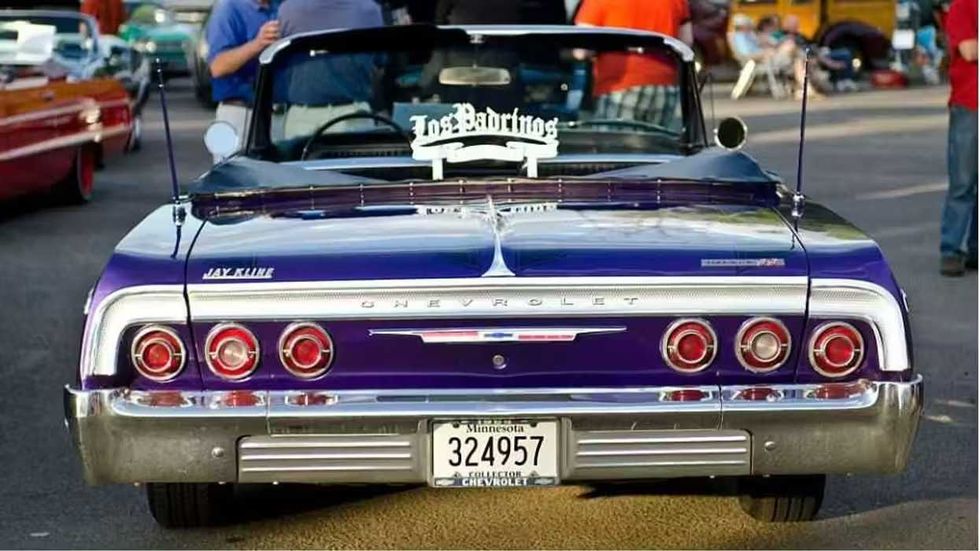
RELATED: New Minnesota bill could run classic car owners off the road
 Education Images/Getty Images
Designated driver
Here’s what is coming. Cameras locked on your face. Sensors tracking your eyes. Software analyzing your behavior, your attention, even your emotional state. The system doesn’t just look for alcohol impairment; it looks for anything it interprets as risk.
Are you tired? Distracted? Stressed? That’s enough for the system to decide you aren’t fit to drive.
And once that threshold is crossed, your car can refuse to move. You can sit there with the keys, with the title, with the payment book in your glove box, and the answer is still no. You’re not going anywhere.
This is the shift nobody voted for in plain English. And it’s already happening.
Driver monitoring systems are in millions of vehicles globally. Europe mandates them. U.S. automakers are embedding them. This isn’t theoretical. It’s slowly being built into new cars, and from 2027, every new car will have it. No exceptions.
I spy
At the same time, automakers are pushing even further. Ford Motor Company has filed patents that read less like safety features and more like surveillance blueprints. We’re talking about biometric identification, behavioral tracking, even the potential to integrate with external databases.
Your vehicle isn’t just transportation anymore. It’s a data collection terminal with wheels. And once that data exists, it doesn’t stay private.
In-cabin monitoring systems are already being used in fleet vehicles. Live feeds. Driver tracking. Behavior analysis. And it’s being sold as valuable data to whoever wants to pay for it.
Now connect the dots. This government mandate meets corporate capability. That’s not an accident. That’s alignment.
And here’s where it gets even more convenient for everyone involved, except you.
DADSS joke
Congress is pouring money into this. About $45 million has already been allocated for research, with over $100 million backing the Driver Alcohol Detection System for Safety program.
Government and car businesses are not paying to install it in your car. You, the taxpayer, are paying for it.
Automakers will comply, then pass every dollar of cost straight down the line to the buyer. More expensive vehicles. More complex systems. More opportunities for failure. And more profit margins built into something you never asked for.
That’s the quiet part. The loud part? It is about control.
Because once your car has the authority to decide whether you can drive, you’ve handed over something bigger than convenience. You’ve handed over autonomy. And don’t expect a political rescue. Most politicians have bailed on you.
When Reps. Thomas Massie (R-Ky.), Scott Perry (R-Penn.), and Chip Roy (R-Texas) tried to push back, they exposed a vote showing dozens of Republicans and over 200 Democrats supporting measures tied to this mandate. They passed this into law.
Road to nowhere
That’s not division. That’s consensus. And consensus in Washington usually means one thing: The machine is moving forward, whether you like it or not. This is how permanent change happens. Not with headlines, but with technical language most people will never read. Until it shows up in their driveway.
We’ve seen the warning signs before. In 2017, WikiLeaks revealed that the Central Intelligence Agency had explored the ability to hack vehicle control systems remotely. At the time, people were outraged. Now we’re building systems that make that capability look tame and calling it progress.
Supporters will say this saves lives. And yes, impaired driving is a real issue. But we already have targeted solutions like ignition interlocks for convicted offenders. Which, by the way, there are already over 30 devices that stop drunk driving.
This is universal monitoring.
This is your car assuming you’re guilty before you’ve done anything at all.
Fail safe?
And here’s the question nobody in Washington wants to answer honestly: What happens when the system gets it wrong? Because it will.
False positives. Glitches. Misreads. Software errors. Even placing drivers in dangerous situations. Every piece of technology fails at some point. When it does, you’re stuck explaining to a machine why you deserve to drive your own vehicle.
Good luck with that.
And once the door is open, it doesn’t close.
If your car can stop you for “impairment,” what’s next?
Speed enforcement built into the vehicle?
Geofencing where your car simply won’t go?
Insurance companies tapping into your driving data in real time?
Law enforcement accessing in-cabin feeds?
None of that requires a leap. It’s the next logical step.
And the groundwork is already being laid and can change with no notice.
No way out
Meanwhile, your escape routes are disappearing. Older vehicles are being pushed off the road through regulation, parts shortages, and policy pressure. The market is being engineered so that opting out becomes less realistic every year.
You won’t be forced into this overnight.
You’ll just wake up one day and realize every new car on the lot plays by the same rules. That’s how control scales. Slow, steady, and almost invisible until it’s too late.
To be precise, Section 24220 doesn’t flip a literal kill switch today. But it creates the legal and technological pathway for systems that can absolutely prevent your vehicle from operating based on algorithmic decisions. And this is the law, not just an idea. And it will be in all new vehicles.
Call it whatever makes it easier to swallow.
If your car decides you’re not driving, the outcome is the same.
This isn’t about left or right. It’s about power — who has it, who’s gaining more of it, and who’s quietly losing it.
Right now, drivers are on the losing end. And that is not about to change.
And once this system is fully embedded, reversing it won’t be simple, cheap, or quick. It will be treated as essential infrastructure, too big to remove, too normalized to question.
That’s the real endgame.
Not safety.
Not innovation.
Control, baked into the very machines Americans rely on every single day.
And as of today, only a few officials are fighting on our side.
Who gets to decide when you’re allowed to drive? Because if the answer isn’t you, then you don’t own your car. You never did.
More from this network:
Domains for Sale · GOTPeople.org · TheDSAPlatform · The Truth About Socialism
What's Your Reaction?
 Like
0
Like
0
 Dislike
0
Dislike
0
 Love
0
Love
0
 Funny
0
Funny
0
 Wow
0
Wow
0
 Sad
0
Sad
0
 Angry
0
Angry
0

I am just an average American. My teen years were in the late 70s and I participated in all that that decade offered. Started working young, too young. Then I joined the Army before I graduated High School. I spent 25 years in, mostly in Infantry units. Since then I've worked in information technology positions all at small family owned companies. At this rate I'll never be a tech millionaire. When I was young I rode horses as much as I could. I do believe I should have been a cowboy. I'm getting in the saddle again by taking riding lessons and see where it goes.
Premium domains for sale

















Comments (0)