

Lego's Model T: How Ford is bringing automotive history to a new generation, brick by brick
Premium domains for sale
Freedom Is Back In Style
On a recent episode of "The Drive with Lauren and Karl," we had a conversation that was a little different — but just as telling about car culture today.
Freedom Is Back
In Style
Premium domains for sale
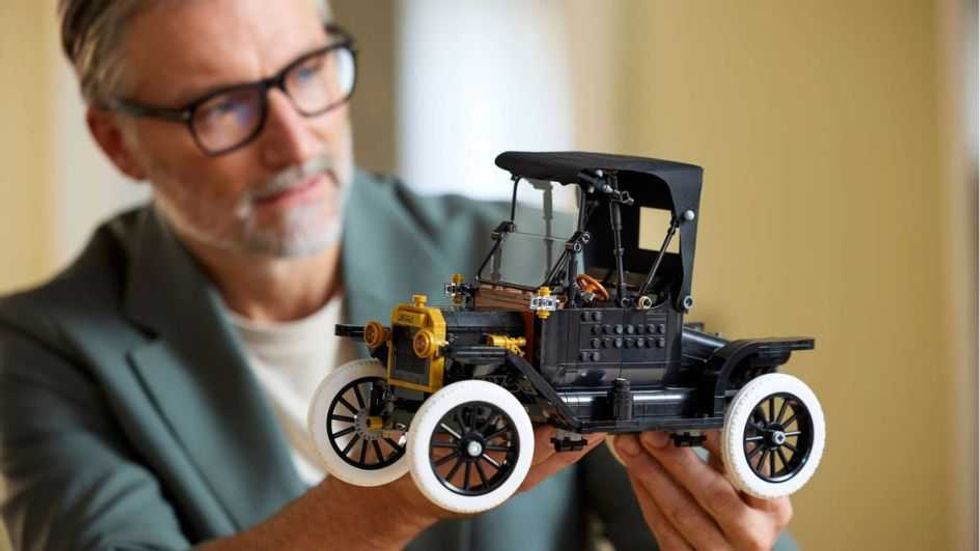
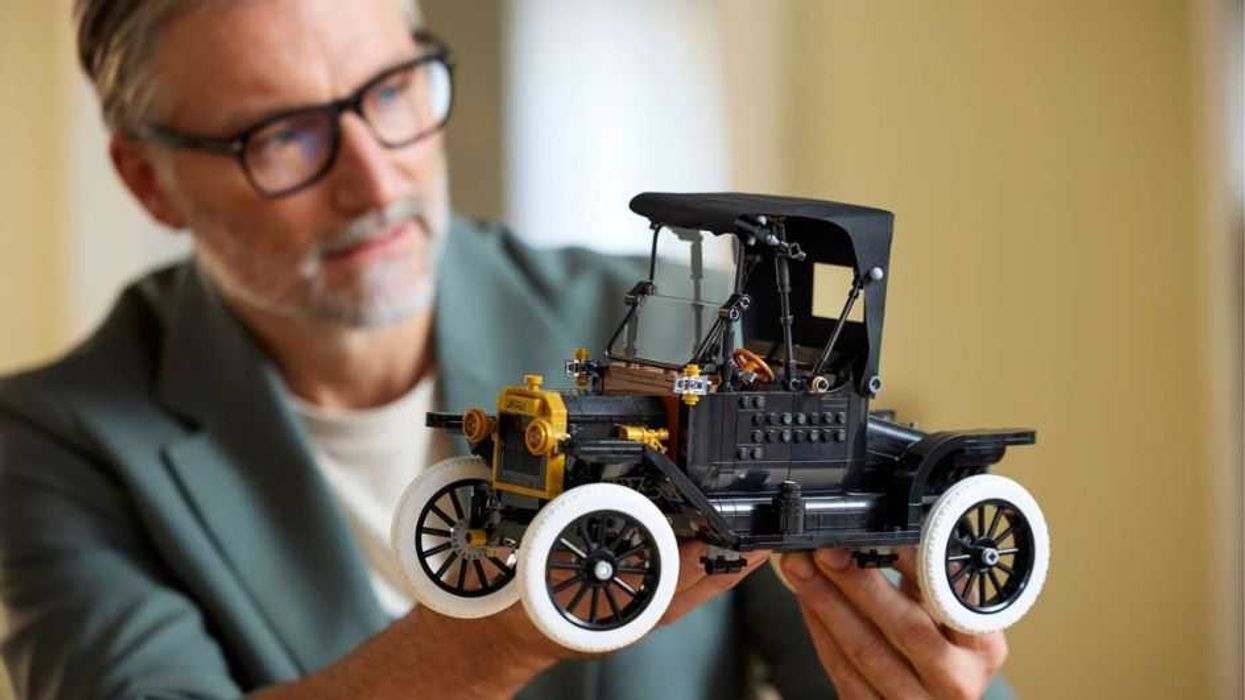
It started with something unexpected: Lego. Not just as a toy, but as a way to connect automotive history to a new generation.
For an industry that often focuses on what’s next — EVs, software, autonomy — it’s easy to overlook how important the past still is.
Our guest, Ford heritage brand manager and archivist Ted Ryan, shared the story behind a new Lego model of the Ford Model T — and what went into getting it right. And the level of detail may surprise you.
To a T
This wasn’t just a half-baked licensing exercise. According to Ryan, the designer behind the set spent months researching the Model T, even reaching out directly to Ford’s archives to verify historical details.
Where was the fuel tank located? How many lights did the car have? What year-specific features mattered?
Those details were checked, corrected, and refined — sometimes multiple times — before the final design was approved.
The whole process took a year of back-and-forth, with emails and revisions to make sure the finished product reflected the real car, not just a simplified version of it.
That’s a level of effort you don’t usually associate with something that ends up on a toy shelf.
Wheeling and dealing
There’s a bigger idea behind it.
As Ryan explained, Lego has shifted in recent years to focus on things that matter culturally — music, film, architecture, and increasingly, cars.
That last one makes a lot of sense.
From Formula 1 to classic American vehicles, automobiles are a huge part of global culture. They’re also a way to tell stories — about innovation, design, and how people lived at a particular moment in time.
And what better example than the iconic Model T.
This is the vehicle that put America on wheels, transforming transportation and making mobility accessible to millions. Bringing that story into a Lego set makes that history visible — and tangible — for people who might never read about it otherwise.
RELATED: The EPA just proved it can lower gas prices overnight — so why wait for a crisis?
 Joe Raedle/Getty Images
Pieces of history
What stood out in the conversation is how much these sets are now aimed at adults as well as kids.
Lego calls them “AFOLs” — adult fans of Lego — and it’s a growing category. They want builds that are more complex, more detailed, and more likely to be display pieces than playthings.
In this case, the Model T set also includes historical context, helping explain why the car mattered — not just what it looked like.
It's all part of a broader trend. Car culture isn’t just happening at racetracks or car shows anymore. It’s happening in living rooms, offices, and hobby spaces — through collectibles, models, and even digital experiences.
A classic you can keep
For an industry that often focuses on what’s next — EVs, software, autonomy — it’s easy to overlook how important the past still is.
Projects like this show there’s still real demand for that connection.
Not everyone is going to restore a classic car or attend a concours event. But a lot of people will build a model, display it, and learn something along the way.
For younger enthusiasts, this may be their first introduction to a crucial moment in history; for longtime car fans, it’s a potent reminder of what cars mean to them.
Either way, it goes to show that car culture — despite the carping of the environmental doomsayers — isn't going anywhere anytime soon.
More from this network:
Domains for Sale · GOTPeople.org · TheDSAPlatform · The Truth About Socialism
What's Your Reaction?
 Like
0
Like
0
 Dislike
0
Dislike
0
 Love
0
Love
0
 Funny
0
Funny
0
 Wow
0
Wow
0
 Sad
0
Sad
0
 Angry
0
Angry
0

I am just an average American. My teen years were in the late 70s and I participated in all that that decade offered. Started working young, too young. Then I joined the Army before I graduated High School. I spent 25 years in, mostly in Infantry units. Since then I've worked in information technology positions all at small family owned companies. At this rate I'll never be a tech millionaire. When I was young I rode horses as much as I could. I do believe I should have been a cowboy. I'm getting in the saddle again by taking riding lessons and see where it goes.
Premium domains for sale














Comments (0)