

Popular ‘Healthy’ Fat Found To Fuel Deadly Pancreatic Cancer
Premium domains for sale
Freedom Is Back In Style
For years, the mainstream medical establishment has pushed a predictable, one-size-fits-all narrative: if you want to lower your cancer risk, just cut the fat out of your diet. But a revealing new study reveals that the reality is far more complicated — and it turns the conventional wisdom about “healthy” fats entirely on its head.
Freedom Is Back
In Style
Premium domains for sale
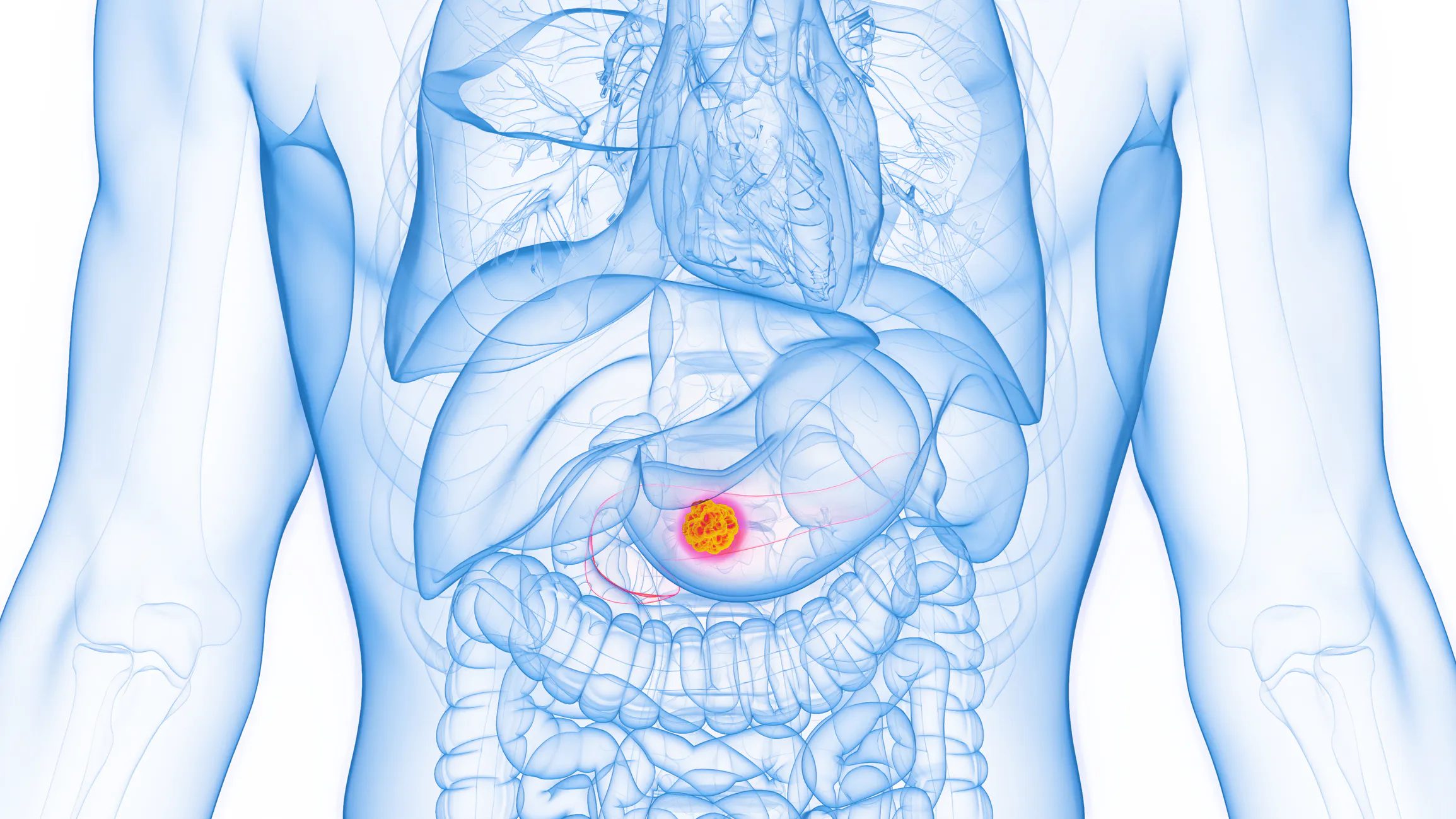
The groundbreaking study, published in Cancer Discovery by researchers at the Yale School of Medicine, found that the specific type of fat you consume matters far more than the total amount. Most shockingly, scientists discovered that oleic acid — the primary monounsaturated fatty acid found in olive oil, a staple of the heavily praised Mediterranean diet — actually acts as fuel for pancreatic ductal adenocarcinoma (PDAC), one of the deadliest forms of cancer.
In genetic mouse models mirroring human pancreatic cancer, diets rich in oleic acid sped up tumor growth. The culprit is a biological process called ferroptosis, a type of cell death driven by lipid oxidation. While polyunsaturated fats (PUFAs) — like omega-3s found in fish oil — make cancer cells highly vulnerable to oxidation and trigger a massive 50 percent reduction in disease, monounsaturated fats like olive oil shield the cancer cells, protecting them from dying.
“Depending on the type of fat that you consume, it can go completely different ways,” explained lead author Dr. Christian Felipe Ruiz.
But while the dietary news is a wake-up call, a series of massive medical breakthroughs offer unprecedented hope in the fight against a disease that currently carries a dismal 13 percent five-year survival rate.
First, researchers at the Mayo Clinic have validated an artificial intelligence model, known as REDMOD, capable of detecting pancreatic cancer on routine CT scans up to three years before a clinical diagnosis. The AI analyzes microscopic tissue patterns invisible to the human eye, successfully flagging 73 percent of pre-diagnostic cancers. By catching the disease while it is still curable, the technology could radically alter the current reality, where 85 percent of cases are diagnosed only after metastasis.
Furthermore, a revolutionary “triple-threat” drug combination developed by the Spanish National Cancer Research Centre (CNIO) has achieved what was once thought impossible: the complete and permanent elimination of pancreatic tumors in experimental models. By simultaneously blocking three independent signaling pathways (RAF1, EGFR, and STAT3), the therapy — combining daraxonrasib, afatinib, and SD36 — effectively trapped the cancer cells and prevented them from developing resistance.
Between precision nutrition science, early-detection AI, and aggressive new multi-drug therapies, science is finally flipping the script on one of medicine’s most lethal foes.
More from this network:
Domains for Sale · GOTPeople.org · TheDSAPlatform · The Truth About Socialism
What's Your Reaction?
 Like
0
Like
0
 Dislike
0
Dislike
0
 Love
0
Love
0
 Funny
0
Funny
0
 Wow
0
Wow
0
 Sad
0
Sad
0
 Angry
0
Angry
0

I am just an average American. My teen years were in the late 70s and I participated in all that that decade offered. Started working young, too young. Then I joined the Army before I graduated High School. I spent 25 years in, mostly in Infantry units. Since then I've worked in information technology positions all at small family owned companies. At this rate I'll never be a tech millionaire. When I was young I rode horses as much as I could. I do believe I should have been a cowboy. I'm getting in the saddle again by taking riding lessons and see where it goes.
Premium domains for sale
























Comments (0)