

Record-High Cases Of Rare Tick-Borne Virus Reported Across U.S.
Premium domains for sale
Freedom Is Back In Style
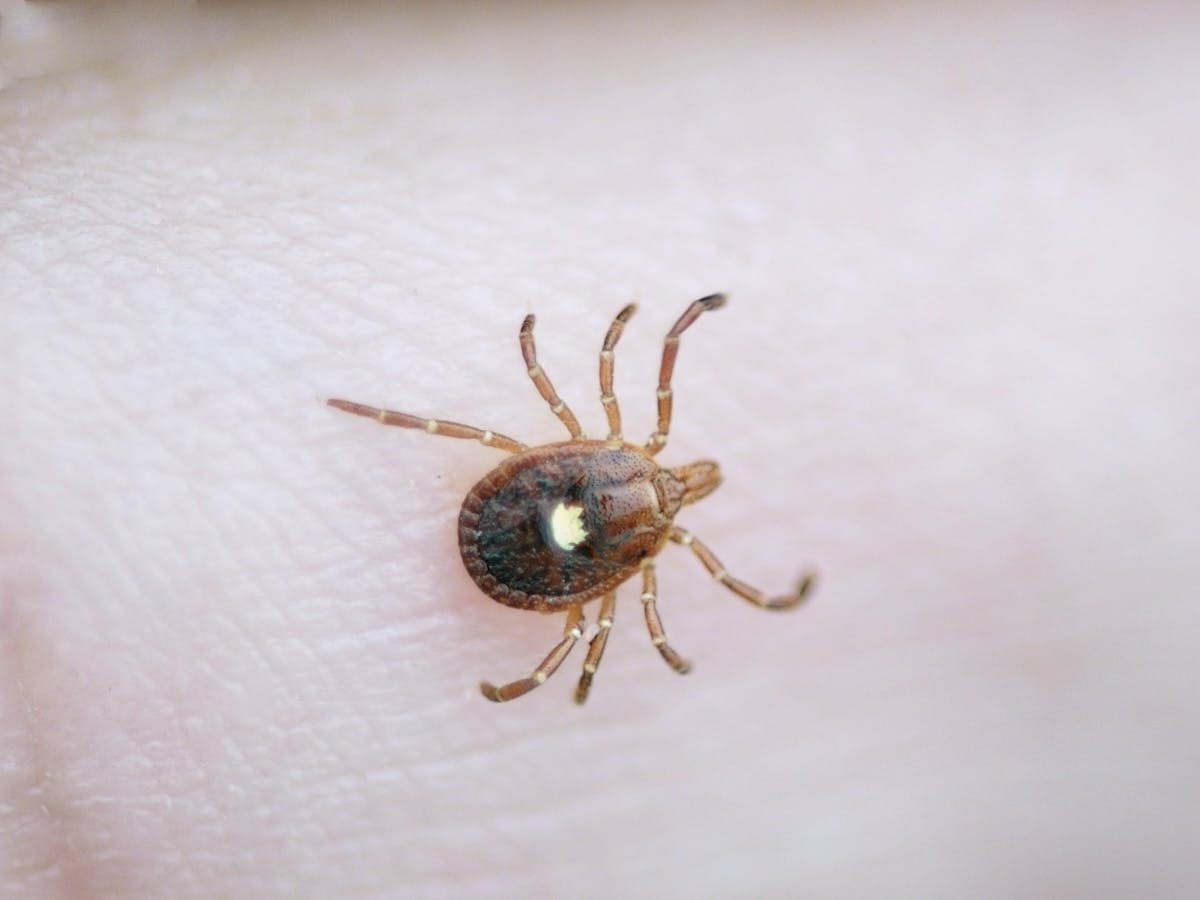
Cases of a rare tick-borne illness have been on the rise in the United States in recent years, decades after the disease was first identified in 1958.
Freedom Is Back
In Style
Premium domains for sale
Powassan virus is a potentially fatal disease transmitted by the bite of an infected woodchuck tick or deer tick. The virus can cause symptoms such as weakness, fever, headache, and vomiting, according to the Centers for Disease Control and Prevention (CDC).
There are currently no treatments or vaccines for Powassan virus.
The CDC also said it can cause meningitis or encephalitis. As the illness progresses, severe symptoms can include seizures, confusion, difficulty speaking, and loss of coordination.
The first known case of Powassan, named after a town in Ontario, was in 1958 when a 4-year-old boy named Lincoln Byers fell ill and died from an unidentified virus. Years later, researchers identified the same virus in a tick collected from a dead squirrel, helping establish the source of the infection, the Boston Globe reported.
Even though the virus is rare, reported cases in the United States increased in recent years, and headlines have featured cases from New Jersey and New Hampshire, according to the Washington Post. A CDC chart shows reported cases increased from seven in 2015 to 76 in 2025.
Most infections occur during the late spring through mid-fall, when tick populations are the most active.
“One of the most dangerous aspects is its rapid transmission,” Dr. Jorge P. Parada, a Chicago medical adviser at the National Pest Management Association, told Fox News Digital.
“Powassan can be transmitted in as little as 15 minutes after the infected tick bites, while Lyme disease usually requires a 36- to 48-hour attachment time for transmission.”
More from this network:
Domains for Sale · GOTPeople.org · TheDSAPlatform · The Truth About Socialism
What's Your Reaction?
 Like
0
Like
0
 Dislike
0
Dislike
0
 Love
0
Love
0
 Funny
0
Funny
0
 Wow
0
Wow
0
 Sad
0
Sad
0
 Angry
0
Angry
0

I am just an average American. My teen years were in the late 70s and I participated in all that that decade offered. Started working young, too young. Then I joined the Army before I graduated High School. I spent 25 years in, mostly in Infantry units. Since then I've worked in information technology positions all at small family owned companies. At this rate I'll never be a tech millionaire. When I was young I rode horses as much as I could. I do believe I should have been a cowboy. I'm getting in the saddle again by taking riding lessons and see where it goes.
Premium domains for sale






















Comments (0)