

Seattle City Council Approves Funding For ‘Trans-Refugees’
Premium domains for sale
Freedom Is Back In Style
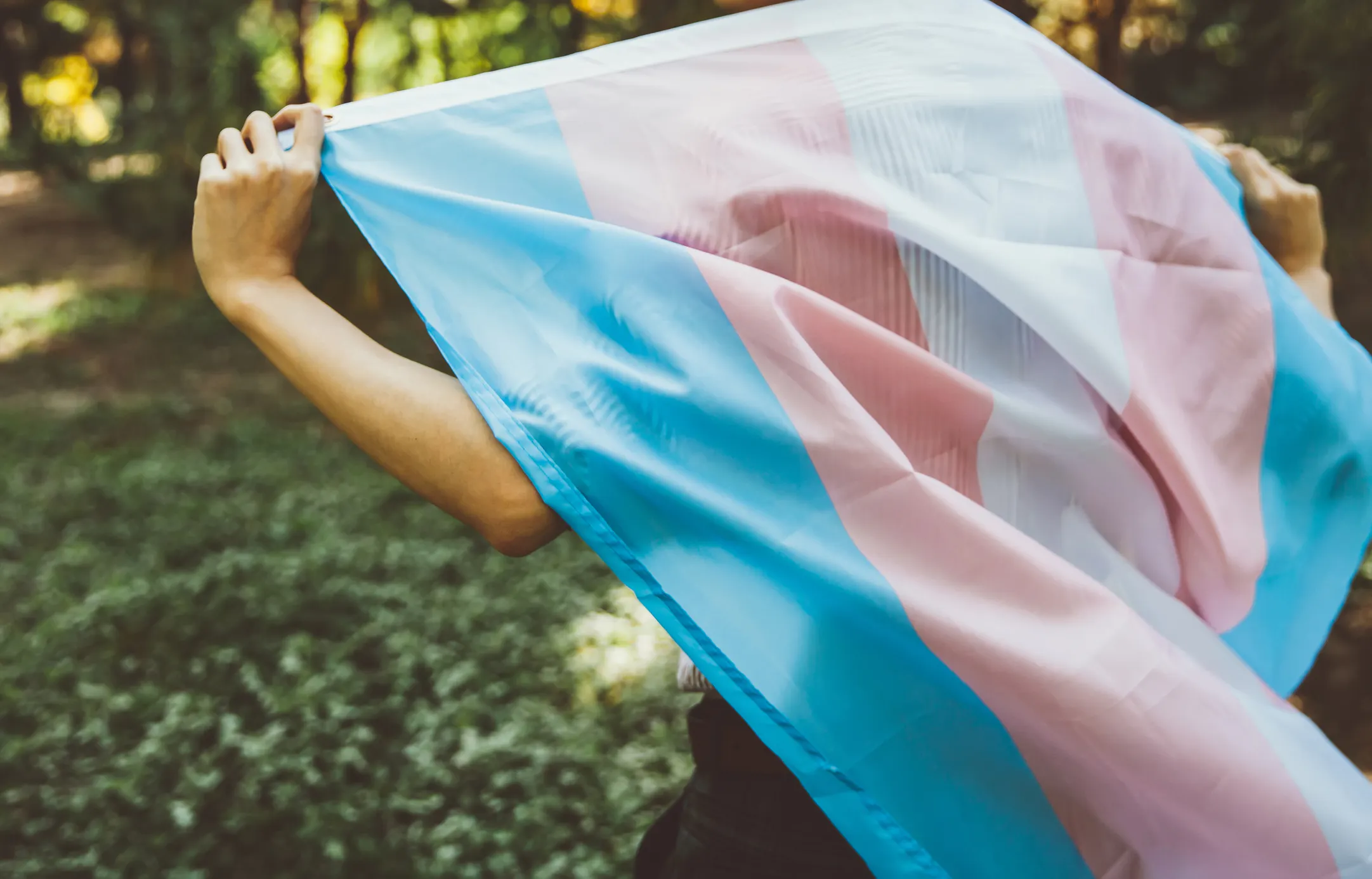
The Seattle City Council unanimously approved an amendment to its budget on Wednesday that would reallocate $300,000 to fund resources for members of the trans community from across the country who wish to move to Seattle.
Freedom Is Back
In Style
Premium domains for sale
A leading Seattle Democrat argued for the amendment, claiming there is an “ongoing crisis and displacement of queer, transgender, and gender non-conforming people.”
“This amendment responds to the ongoing crisis and displacement of queer, transgender, and gender non-conforming people that are seeking refuge from hostile jurisdictions from across the country,” Councilmember Alexis Mercedes Rinck said at the Finance, Native Communities, and Tribal Governments Committee meeting on August 4.
The $300,000 would go from the city’s JumpStart fund in the Human Services Department to LGBTQ community organizations that will provide emergency shelter, food access, employment support, and other services to trans-refugees. According to the report, the $300,000 is coming from a budget dedicated to building homes in Seattle’s Northgate neighborhood.
Since the project no longer needs the funds, council members have decided what to do with the excess money. Rather than directing the funds toward other problems facing Seattle, the city council chose to spend the money in expanding services for the city’s growing LGBTQ population.
“I just think it’s absolutely ridiculous that in a city that has a housing crisis, sex-trafficking problem, a city that has a serious drug problem, you guys want to give $300,000 away in the name of fictional genocide that’s not occuring,” Ari, a de-transitioner, said at the city council meeting on August 11.
Ari said he also moved from state-to-state like other trans-migrants, eventually landing in Seattle 10 years ago.
“But they’ve moved [the new batch of trans-refugees] because women, adult human females have said they’re not comfortable with males in their bathrooms, in their prisons, in their rape shelters,” Ari said at the meeting. “So they’ve come here to hide so they can oppress women. That’s what it’s really about. And I just think it’s absolutely ridiculous a city council with this many women on it do not know what women are.”
After the public testimony segment concluded, Rinck said she wanted to make it clear to members of the transgender community that they belong in Seattle.
“I want to state to our queer and trans community directly: You belong in Seattle,” Rinck said. “I am glad you are here. You deserve dignity and respect and we are going to do the work to live up to our promise of being a welcoming city.”
Seattle has become one of the hubs for LGBTQ activism. From rainbow-painted sidewalks to Pride-themed Seattle Storm basketball games, the city advertises itself as being one of the most welcoming cities for LGBTQ people.
But that welcome has also raised questions about the city’s broader approach to gender-related issues.
A recent report published by the U.S. Department of Health and Human Services listed over 200 hospitals that may have engaged in insurance fraud to conduct sex-rejecting procedures on minors. Seattle Children’s Hospital was among the hospitals named on the list.
According to the report, doctors ordered sex-rejecting procedures using diagnostic codes, like “endocrine disorder, unspecified” so that patients could get insurance coverage for their treatment.
“During this same timeframe, nearly $11 million was billed for puberty blockers, including to Medicaid and Medicare, for hundreds of patients between the age of 13 and 17 with a diagnostic code for precious puberty,” the executive summary said. “By definition, anyone 13 or older cannot have a diagnosis of precocious puberty and should not be given puberty blockers at that age for this indication.”
More from this network:
Domains for Sale · GOTPeople.org · TheDSAPlatform · The Truth About Socialism
What's Your Reaction?
 Like
0
Like
0
 Dislike
0
Dislike
0
 Love
0
Love
0
 Funny
0
Funny
0
 Wow
0
Wow
0
 Sad
0
Sad
0
 Angry
0
Angry
0

I am just an average American. My teen years were in the late 70s and I participated in all that that decade offered. Started working young, too young. Then I joined the Army before I graduated High School. I spent 25 years in, mostly in Infantry units. Since then I've worked in information technology positions all at small family owned companies. At this rate I'll never be a tech millionaire. When I was young I rode horses as much as I could. I do believe I should have been a cowboy. I'm getting in the saddle again by taking riding lessons and see where it goes.
Premium domains for sale


















Comments (0)