

‘The Case for Miracles’: A stirring road trip into the heart of faith
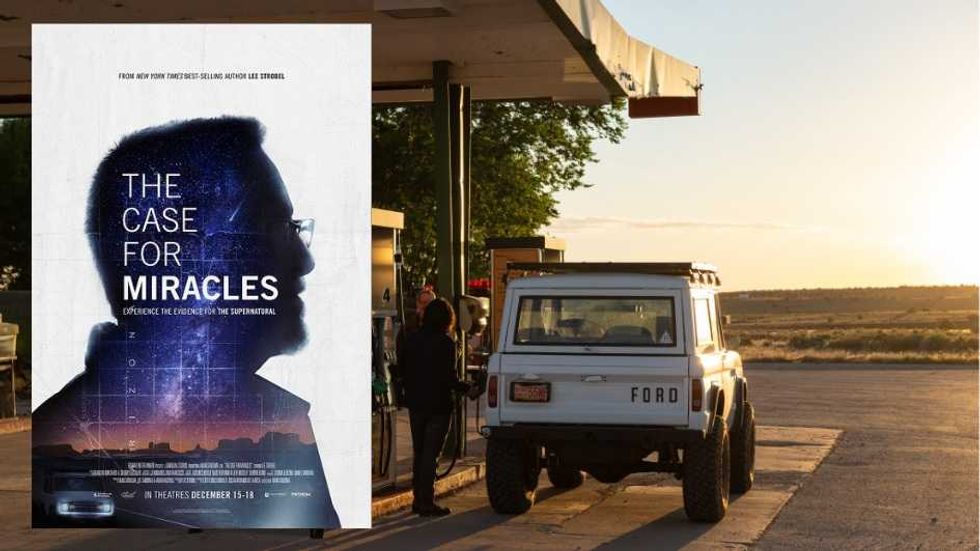
Lee Strobel doesn’t mind those who question his midlife Christian conversion.
Live Your Best Retirement
Fun • Funds • Fitness • Freedom
Strobel’s shift from an atheist to rock-ribbed Christian came to life in 2017’s “The Case for Christ.” The film, based on his life story, showed how Strobel’s efforts to debunk the resurrection of Jesus Christ as the legal editor of the Chicago Tribune had the opposite effect.
‘There is evidence that points — compelling [evidence] — to the truth of biblical miracles and contemporary supernatural encounters. I’m not afraid of that.’
He says his shoe-leather reporting confirmed the resurrection. Looking back, Strobel tells Align his change of heart ruffled some professional feathers.
“After I became a Christian at the Chicago Tribune, somebody told me later that they overheard somebody in the newsroom say, ‘What happened to Strobel? He became a Jesus freak, like, overnight,’” Strobel says, laughing.
Miracle miles
Now, Strobel is back on the big screen with “The Case for Miracles,” in select theaters Dec. 15-18 via Fathom Entertainment. The film finds Strobel and director Mani Sandoval hitting Route 66 in an old Ford Bronco to swap stories and reflect on modern-day miracles.
Among the most poignant? A young woman with severe multiple sclerosis who is able to leave her hospice bed following a crush of community prayers.
It’s part travelogue, part documentary, and Strobel only wishes he had time to share even more remarkable stories on-screen.
“We had to leave out so many good ones. ... We had another case documented by medical researchers ... a guy who was healed from a paralyzed stomach,” he says. “He was prayed for, felt an electric shock go through him, and for the first time was able to eat normally.”
“He’s fine to this day,” he adds. “It’s the only case in history of its kind of [someone] spontaneously healed from this stomach paralysis.”
Meeting in the middle
Strobel says the film offers two very different perspectives on modern-day miracles given the key players involved.
“Mani grew up in a Pentecostal home. There was an anticipation that the miraculous would take place,” he says. “I was an atheist [growing up].”
The film is based on Strobel’s 2018 book of the same name, but he hopes the Fathom Entertainment release reaches a broader audience beyond his loyal readers.
“I think that cinema is the language of young people,” he says. “If we want to share this account, this evidence of the miraculous with a young generation, what better way than on the big screen? Among younger people, there’s something about a film that register deeply with them. ... We should seize opportunities to communicate to those outside the faith.”
RELATED: Lee Strobel’s top supernatural stories to challenge your atheist friends
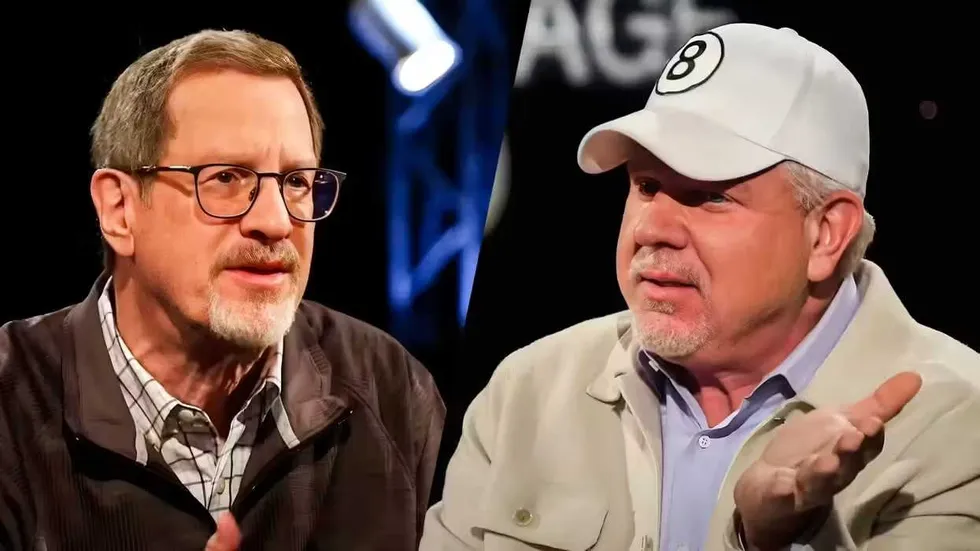 Blaze Media
Creative control
And the timing couldn’t be better. Faith-friendly films and TV shows are all the rage in today’s pop-culture landscape. Think the groundbreaking series “The Chosen,” along with the upcoming “Passion of the Christ” sequel from Mel Gibson.
Both Netflix and Prime Video are producing faith-friendly content, and recent hits like “Jesus Revolution” flexed the power of spiritual stories.
“It satisfies me on a creative level when I see films that deal with very important topics, like the existence in God, in a way that’s creative and that aren’t going to make people cringe but sit forward in their seat and anticipate what’s coming next,” he says.
And that creative explosion has only begun, Strobel predicts.
“In three, four, or maybe five years, we’re gonna see stuff where we say, ‘Oh, I never thought of doing that,’” he says of the genre.
The incredible made credible
Strobel isn’t a filmmaker by trade. He’s a busy writer, having penned more than 40 books that have been translated into 40 languages.
Strobel, like the late Charlie Kirk, doesn’t mind interacting with skeptics on- or off-screen. He welcomes it. The book on which “The Case for Miracles” is based starts with an extended dialogue with noted atheist Michael Shermer.
Strobel eventually befriended Shermer, who has a cameo in the film version of “Miracles.”
“I let him have his say,” he says of their early exchanges. Strobel is confident in his faith and the miracles he sees flowing through it.
“There is evidence that points — compelling [evidence] — to the truth of biblical miracles and contemporary supernatural encounters,” he says. “I’m not afraid of that.”
For Strobel, a miracle requires four key elements:
- Solid medical documentation;
- Multiple, credible eyewitnesses who have no motive to deceive;
- A lack of natural explanation; and
- An association with prayer.
Meet all four requirements, he says, “and maybe something miraculous is going on.”
Strobel doesn’t mind that some of his former colleagues may question his religious conversion. He’s comforted by the fact that he has company in that regard.
“I’ve seen so many journalists coming to faith. ... I think God is stirring something in the culture right now,” he says.
What's Your Reaction?
 Like
0
Like
0
 Dislike
0
Dislike
0
 Love
0
Love
0
 Funny
0
Funny
0
 Wow
0
Wow
0
 Sad
0
Sad
0
 Angry
0
Angry
0

I am just an average American. My teen years were in the late 70s and I participated in all that that decade offered. Started working young, too young. Then I joined the Army before I graduated High School. I spent 25 years in, mostly in Infantry units. Since then I've worked in information technology positions all at small family owned companies. At this rate I'll never be a tech millionaire. When I was young I rode horses as much as I could. I do believe I should have been a cowboy. I'm getting in the saddle again by taking riding lessons and see where it goes.





Comments (0)