

The Reason Gen Z Is Obsessed With The ‘90s Says Something Deeper About Today’s Kids
Premium domains for sale
Freedom Is Back In Style
This article is part of Upstream, The Daily Wire’s new home for culture and lifestyle. Real human insight and human stories — from our featured writers to you.
Freedom Is Back
In Style
Premium domains for sale
***
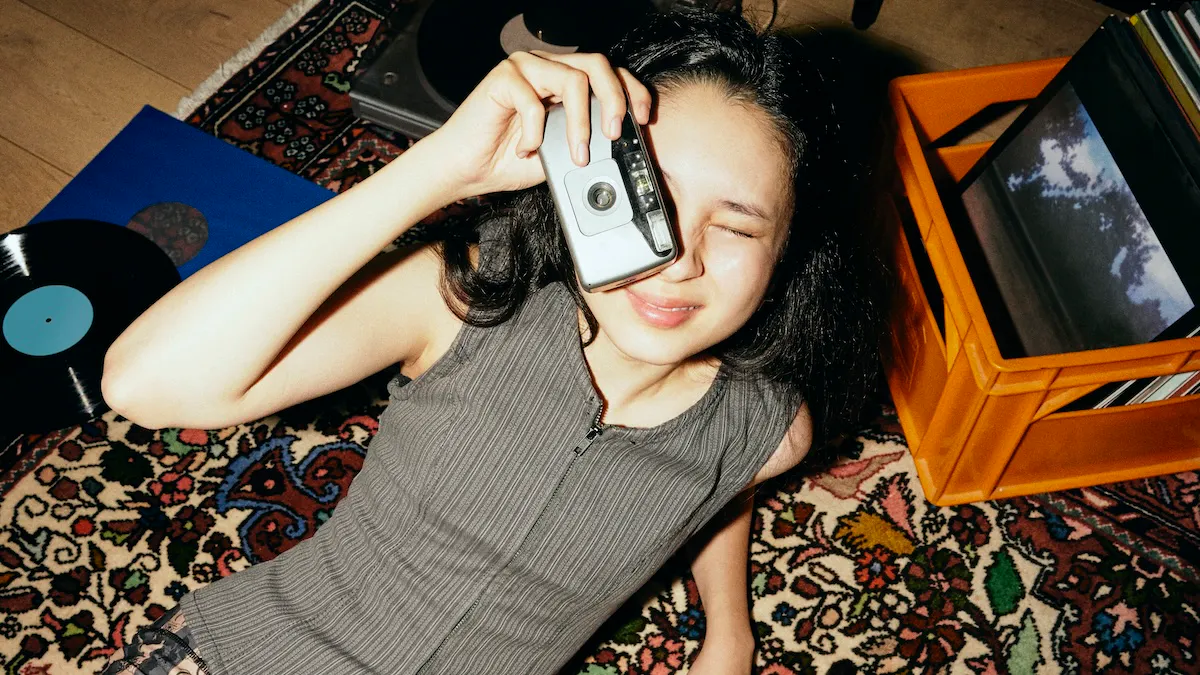
In case you’ve missed it, ’90s culture is trending big time. And not just the Y2K fashion that’s been gracing the runway for some time now. We’re talking Furbies, Tamagotchi toys, waterbeds, and resurrected ’90s kids’ bedrooms; basically, all things ’90s childhood are trending. And while millennials are certainly on board, the ’90s resurgence is being driven in large part by Gen Z.
Why is a generation of young people obsessed with a decade they never even lived in or, for the few born in the late ’90s, are too young to remember? As a mom right on the cusp of Gen Z myself, I think Gen Z’s fascination with ’90s childhoods offers some warnings about the way that we’re raising children in the new millennium. I don’t believe Gen Z’s ’90s obsession is random; I believe it’s because young adults are yearning for something they never had: a full childhood, filled with play and adventure, and a meaningful transition into adulthood, embracing all the responsibilities that growing up should entail.
Several months ago, the New York Times published an op-ed suggesting that the obsession with ’90s nostalgia is the result of Gen Z wrestling with technological overreach in their lives. And this is indeed part of the ’90s allure. Though Gen Z youth may be the most phone-savvy and online generation ever, they are weary of the digital era, and the resurrected ’90s trends offer just that screen-free safe haven. But I think Gen Z’s fascination with all things ’90s is more than just a response to tech overreach, especially considering many Gen Z youth were robbed of the full childhoods that they envision millennials enjoyed.
The permanence of what kids now post online, as well as the dangers that come along with the internet, have forced Gen Z children to grow up too fast, demanding a maturity that millennials did not have to worry about as acutely. Social media “likes” and “followers” make popularity hierarchies all the more oppressive at younger and younger ages. The digital weight of the modern world, which Gen Z shouldered at a far younger age than millennials, is compounded by less time spent playing and more time scrolling. Gen Z spends less time outdoors than previous generations, to the detriment of childhood exploration and adventuring.
Another factor, and one that poses a significant deviation from most millennial upbringings, is the breakout of helicopter parenting. The impression that young people are ill-prepared for real life is an unfortunate stereotype that helicopter parenting has bequeathed Gen Z. One of the more revealing illustrations of this over-involved parenting is the number of Gen Z young adults who are bringing their parents to job interviews and having them negotiate salaries on their behalf. Yes, you read that right: Gen Z young adults are bringing their parents along for job interviews and salary negotiations, and this interference of parents in their children’s workplaces is common enough that it has been given the term “career co-piloting.”
With overbearing parenting like that, the trial, error, and adventure that should constitute a healthy adolescence are absent in many Gen Z upbringings, and it’s no surprise they look at the dawn-till-dusk bike riding escapades of ’90s kids with a mix of wonder and nostalgia. It makes sense that Gen Z would romanticize a childhood with the independence, adventure, and screen-free play they did not get to enjoy.
But there’s an important flip side to the coin: while in many ways robbed of the fullness of childhood adventuring and play, Gen Z is simultaneously reticent to embrace adulthood responsibilities. Members of Gen Z, by and large, are taking less responsibility than millennials and previous generations. They are more likely to defer obtaining a driver’s license or not apply for one at all. They are prone to avoiding social obligations and are notoriously non-committal. And more Gen Z young adults are still living at home than in previous generations.
Recall that Gen Zers are willingly bringing their parents to job interviews. Parents are micromanaging the lives of Gen Z through adulthood and into the workplace, and Gen Z is complicit. Gen Z’s reticence to assume adult responsibility is no doubt connected to helicopter parenting, which not only robs children of childhood escapades and adventure but also stunts their maturity and handicaps their self-agency into adulthood. While I’m no psychologist, I don’t think it’s coincidental that a generation reluctant to grow up has found solace in ’90s toys and childhood memorabilia. Gen Z’s fascination with ’90s nostalgia may be flattering to millennials, but it’s also a sad echo of Gen Z’s apathy toward their own coming of age.
While there is nothing wrong with ’90s nostalgia, its popularity among young people harbors a subtle warning about the importance of a distinct childhood and adulthood, of both letting kids have gratifying childhoods and shepherding children as they come of age to understand and embrace the full responsibilities of adulthood. Children deserve childhoods filled with plenty of play and adventuring, liberated from the bondage of social media and bottomless online distractions, and they deserve more than helicopter parenting that instills fear and unhealthy dependence as they become adults.
As children mature, they benefit greatly from the transfer of more responsibility, allowing for failure, hardship, and difficulty. Rather than assure them that mom and dad are ready to assume any and all of life’s hurdles (like an intimidating job interview), we need to do a better job at instilling young adults with the awareness that their life is theirs, and theirs alone, to direct. The lack of agency in today’s young people is not an inconsequential issue, either; personal responsibility is integral to good citizenship, and our democracy depends on youth becoming productive, self-driven adults. So let Gen Z’s fascination with all things ’90s be a gentle reminder of the truth behind the maxim “let kids be kids” — to which I would also add that adults ought to be adults, too.
***
Rebekah Bills is a freelance writer and mother of three. She previously served as a civilian intelligence officer in the Defense Intelligence Agency.
More from this network:
Domains for Sale · GOTPeople.org · TheDSAPlatform · The Truth About Socialism
What's Your Reaction?
 Like
0
Like
0
 Dislike
0
Dislike
0
 Love
0
Love
0
 Funny
0
Funny
0
 Wow
0
Wow
0
 Sad
0
Sad
0
 Angry
0
Angry
0

I am just an average American. My teen years were in the late 70s and I participated in all that that decade offered. Started working young, too young. Then I joined the Army before I graduated High School. I spent 25 years in, mostly in Infantry units. Since then I've worked in information technology positions all at small family owned companies. At this rate I'll never be a tech millionaire. When I was young I rode horses as much as I could. I do believe I should have been a cowboy. I'm getting in the saddle again by taking riding lessons and see where it goes.
Premium domains for sale






















Comments (0)