

Vance Ain’t Kerry: The Trump Doctrine Vs. The Obama Doctrine On Iran
Premium domains for sale
Freedom Is Back In Style
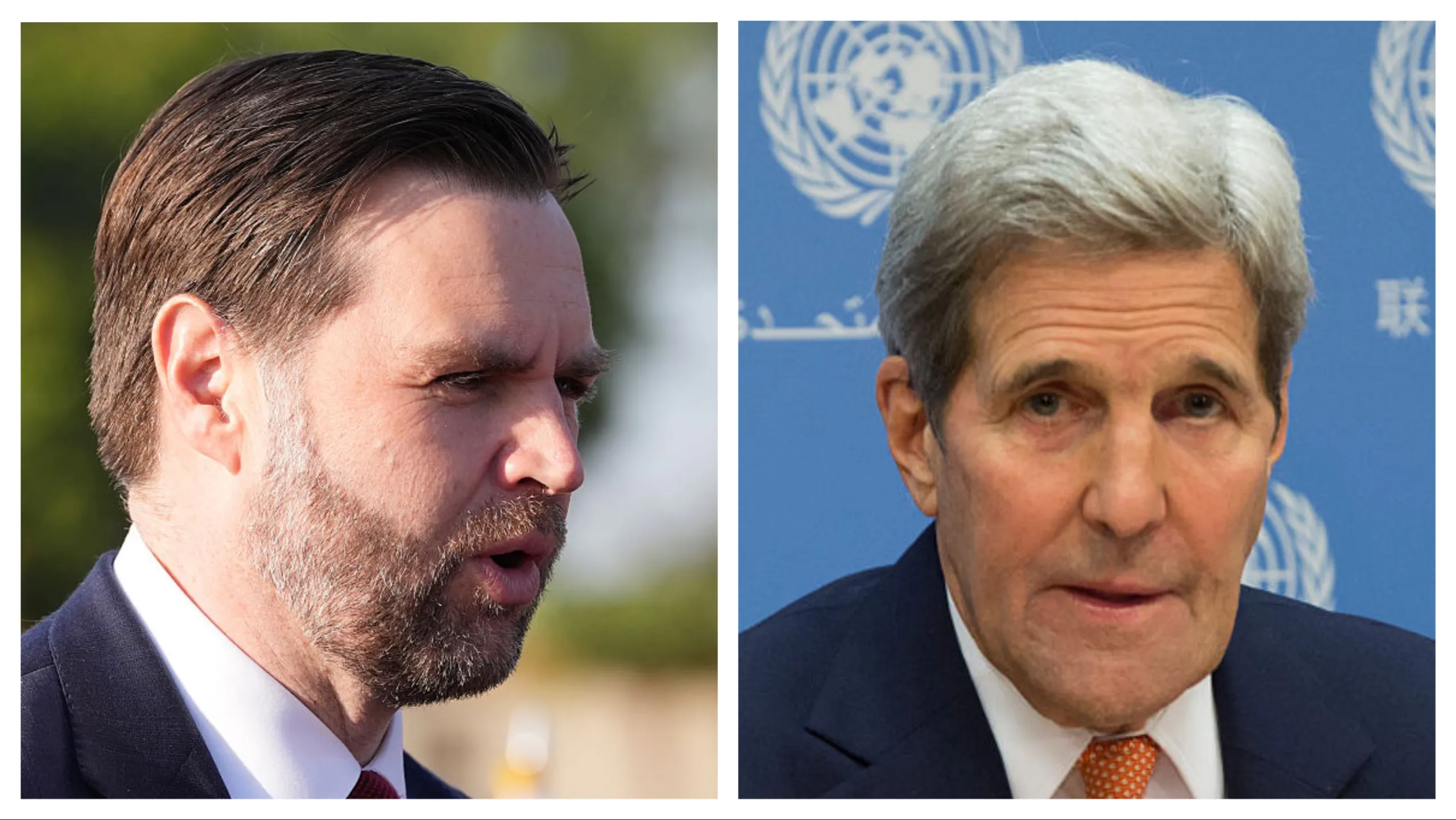
The contrast between the 2015 “fleecing” of America and the 2026 “reality check” in Islamabad couldn’t be more stark. While then-Secretary of State John Kerry famously treated Iranian negotiators like esteemed colleagues, Vice President JD Vance just treated them like a landlord dealing with a delinquent tenant who thinks he owns the building.
Freedom Is Back
In Style
Premium domains for sale
The difference isn’t just in the tone — it’s in the fundamental understanding of what a “deal” actually looks like.
In 2015, John Kerry and former President Barack Obama’s administration operated on a philosophy of “delay.” As Tennessee GOP senator Bob Corker said to Kerry, “From my perspective, Mr. Secretary — I’m sorry — not unlike a hotel guest that leaves with only a hotel bathrobe on his back, I believe you have been fleeced.” Idaho GOP Senator Jim Risch echoed, “With all due respect, you guys have been bamboozled and the American people are going to pay.”
Kerry’s deal codified the industrialization of Iran’s nuclear program while leaving its ballistic missiles and terror proxies untouched. His strategy was to front-load billions in sanctions relief, effectively handing a “cash bonanza” to the world’s leading state sponsor of terrorism, and just hoping they’d play nice for a decade.
Fast-forward to last week in Pakistan. Vance didn’t go in looking for a “legacy” or a “breakthrough” based on hope. He went in to probe vulnerabilities. When Vance walked out of that 21-hour marathon, he didn’t leave with a handshake; he left with a “best and final offer” that demands the total dismantling of Iran’s enrichment facilities and an end to their regional terror spree. When Tehran balked, President Trump didn’t offer a “secret side deal” — he announced a complete U.S. naval blockade of all Iranian ports.
The core failure of the Kerry era was the assumption that Iran shared a mutual interest in regional stability. As then-Senator Marco Rubio (R-FL) stated in a comprehensive essay attacking the agreement, “This deal empowers one of America’s most dangerous enemies and fundamentally weakens our security.”
President Trump has flipped the script. According to U.S. officials, the Islamabad talks revealed that the Iranian regime is delusional about its own standing. They walked into the room thinking they had leverage; they walked out realizing that the United States no longer considers their “nuclear ambitions” a subject for negotiation.
While Kerry was accused of “shadow diplomacy” and coaching the Iranians to “wait out” American resolve, the current administration has made it clear that time has run out.
The 2015 deal relied on “Section Q” — a weak inspection regime that gave Iran 24 days to cover its tracks. The 2026 red lines are unambiguous:
- Total cessation of all uranium enrichment.
- Dismantling of all major facilities.
- Zero funding for Hamas, Hezbollah, and the Houthis.
- Unrestricted access to the Strait of Hormuz with no “illegal” tolls.
In 2015, John Kerry gave away the store for a temporary pause. In 2026, the United States is telling Iran that if they want to keep control over the store, they have to stop trying to blow it up.
As Trump put it, the meeting proved one thing: Iran is unwilling to give up its ambitions. But unlike the previous era of disgraceful campaigns of fear, this administration is betting that a naval blockade and a dose of reality will achieve what years of Kerry’s shoddy inspections never could.
More from this network:
Domains for Sale · GOTPeople.org · TheDSAPlatform · The Truth About Socialism
What's Your Reaction?
 Like
0
Like
0
 Dislike
0
Dislike
0
 Love
0
Love
0
 Funny
0
Funny
0
 Wow
0
Wow
0
 Sad
0
Sad
0
 Angry
0
Angry
0

I am just an average American. My teen years were in the late 70s and I participated in all that that decade offered. Started working young, too young. Then I joined the Army before I graduated High School. I spent 25 years in, mostly in Infantry units. Since then I've worked in information technology positions all at small family owned companies. At this rate I'll never be a tech millionaire. When I was young I rode horses as much as I could. I do believe I should have been a cowboy. I'm getting in the saddle again by taking riding lessons and see where it goes.
Premium domains for sale



Comments (0)