

America, You Have a Weed Problem
Premium domains for sale
Freedom Is Back In Style
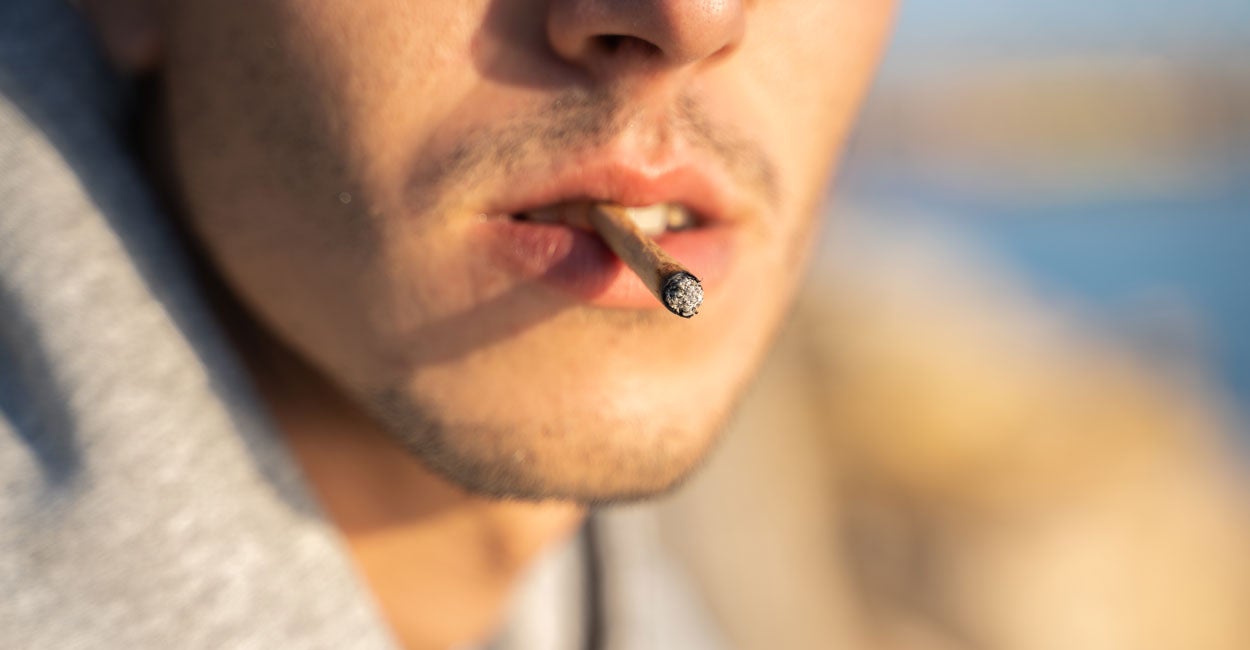
Marijuana is marketed and sold as medicine. Regular users claim any number of health benefits, from pain relief and increased sleep to anxiety relief. And users do giggle a lot, so they must be happy, right?
Freedom Is Back
In Style
Premium domains for sale
When the science is separated from the hype, though, it becomes clear that marijuana is actually an anti-medicine.
Most medicines have host of potential side effects, which pharmacies must list in fine print on packaging, and which prescribers are required to discuss with their patients. Usually, the side effects are tolerable or rare.
But marijuana is not benign for anyone. The “dispensaries”—a euphemism for pot shops—do not provide their customers with any list of potential side effects, even though some of these side effects impact 100% of users.
Medicine is not candy. Disguising marijuana with fruity and sweet flavors encourages addiction. No one puts their cholesterol medication in a gummy to make it more fun to treat disease.
Dosages of genuine medicine are never arbitrarily determined by the patient, yet marijuana “patients” are able to dose themselves. After all, the pot shops want to sell more.
These are some of the known side effects that come from THC, the active ingredient in marijuana, and most occur no matter how the THC is consumed.
- Impotence. Marijuana degrades both the quantity and the quality of sperm. Marijuana lowers testosterone and sex drive. Users even have fewer orgasms, according to a review by the National Center for Biotechnology Information.
- Miscarriage risk. Fathers who use marijuana can cause their embryonic babies to be miscarried. Weekly use of marijuana doubles the rate of miscarriage, according to research by Boston University. To prevent this, potential fathers need to stop marijuana six months before any pregnancy, because marijuana lingers in the body’s stored fat. Women trying to get pregnant using IVF are startled when their embryos die after three days because of the father’s marijuana habit.
- Birth defects. Mothers who use marijuana during pregnancy or lactation have babies with low-birth weight, smaller head circumference, and cognitive dysfunction. Like alcohol and tobacco, a mother who uses marijuana causes a lifetime injury to her baby, according to the Centers for Disease Control and Prevention.
- Psychosis and schizophrenia. Between 30 and 50% of young people who use marijuana daily will develop psychosis or schizophrenia. These users—and their families—will suffer lifelong injury from their youthful experimentation, according to the Yale School of Medicine.
- Cognitive decline. Marijuana use causes memory loss, according to Harvard Medical School. This is part of why marijuana use by the elderly is so damaging. Additionally, marijuana can interfere with other pharmaceuticals many elderly patients need. Yet, the over-60 age set is the fastest-growing group of users.
- Lung damage and cancer risk. Smoking marijuana deposits four times more tar in the lungs than smoking tobacco, and marijuana has 33 cancer-causing chemicals, according to the California Environmental Protection Agency.
- Suicidal ideation. Thirty percent of the mass shooters who have died during their rampage have been heavy marijuana users. In their altered reality, they want to blow themselves up and take others with them. JAMA Psychiatry reports a strong association between cannabis use and suicide attempts in adolescents and young adults.
- Toxins. Medicine is produced in controlled and sterile laboratories, according to the Pure Food and Drug Act of 1906. But not marijuana. No FDA agent minds marijuana production. The contamination in plants—including pesticides, heavy metals, and cleaning agents—stay in the marijuana.
- Impact on pain relief. When undergoing surgical procedures, marijuana users need much stronger anesthesia in order to be sedated. They also require much more pain medication in recovery, according to the National Institutes of Health.
- Motor skills. Marijuana greatly affects motor skills, which poses a particular threat given how many people drive under the influence of the drug. A high driver is dangerous because THC is stored in fat, which makes the impact lasts much longer in the body than alcohol.
So much for the side effects of marijuana. But what about the supposed benefits for users? Perhaps they are so earth-shattering they make the side effects feel like a fair trade.
- Insomnia. Pot shops advertise marijuana for insomnia, but it is only a superficial fix that does not cure insomnia. Sleeplessness is actually a withdrawal symptom of stopping marijuana. Regular users therefore think that marijuana helps them to sleep because they have such trouble sleeping when they stop. Users need to wait at least a month for the stored THC to clear their body, meaning that withdrawal symptoms can linger for a significant period of time.
- Anxiety. Far from treating the problem, marijuana actually intensifies anxiety. Higher THC levels in a person’s body elevate anxiety by overstimulating the amygdala (the brain’s fear center), according to the National Center for Biotechnology Information.
- Weaning off opioids. The University of Sydney analyzed 54 randomly controlled trials from 1980-2025 in a study just published in The Lancet, which found no evidence that marijuana alleviates any mental condition, including opioid-use disorder.
- Pain. In 2024, the American Society of Clinical Oncology said there is insufficient evidence to recommend marijuana for cancer pain.
But what about anecdotes of people who say they have been helped? They are rationalizing their recreational use under the guise of medicine.
These potheads are like the drunks who self-medicate with bourbon; everyone recognizes that the bourbon is not a genuine medicine that aids in their recovery. Addicted people are easing their withdrawal symptoms, not treating the underlying causes for their addiction.
America has a marijuana problem: 15% of Americans have used marijuana in the last month. There are now more daily pot smokers than daily drinkers.
Unfortunately, the marketing campaign to legalize and sell marijuana convinced Americans that marijuana is a harmless medicine.
Marijuana has been and should stay a Schedule 1 drug because it has no medical use, demonstrable side-effects, and a high potential for abuse.
We publish a variety of perspectives. Nothing written here is to be construed as representing the views of The Daily Signal.
The post America, You Have a Weed Problem appeared first on The Daily Signal.
More from this network:
Domains for Sale · GOTPeople.org · TheDSAPlatform · The Truth About Socialism
What's Your Reaction?
 Like
0
Like
0
 Dislike
0
Dislike
0
 Love
0
Love
0
 Funny
0
Funny
0
 Wow
0
Wow
0
 Sad
0
Sad
0
 Angry
0
Angry
0

I am just an average American. My teen years were in the late 70s and I participated in all that that decade offered. Started working young, too young. Then I joined the Army before I graduated High School. I spent 25 years in, mostly in Infantry units. Since then I've worked in information technology positions all at small family owned companies. At this rate I'll never be a tech millionaire. When I was young I rode horses as much as I could. I do believe I should have been a cowboy. I'm getting in the saddle again by taking riding lessons and see where it goes.
Premium domains for sale













Comments (0)