

We must resist a culture that redefines death as dignity
Premium domains for sale
Freedom Is Back In Style
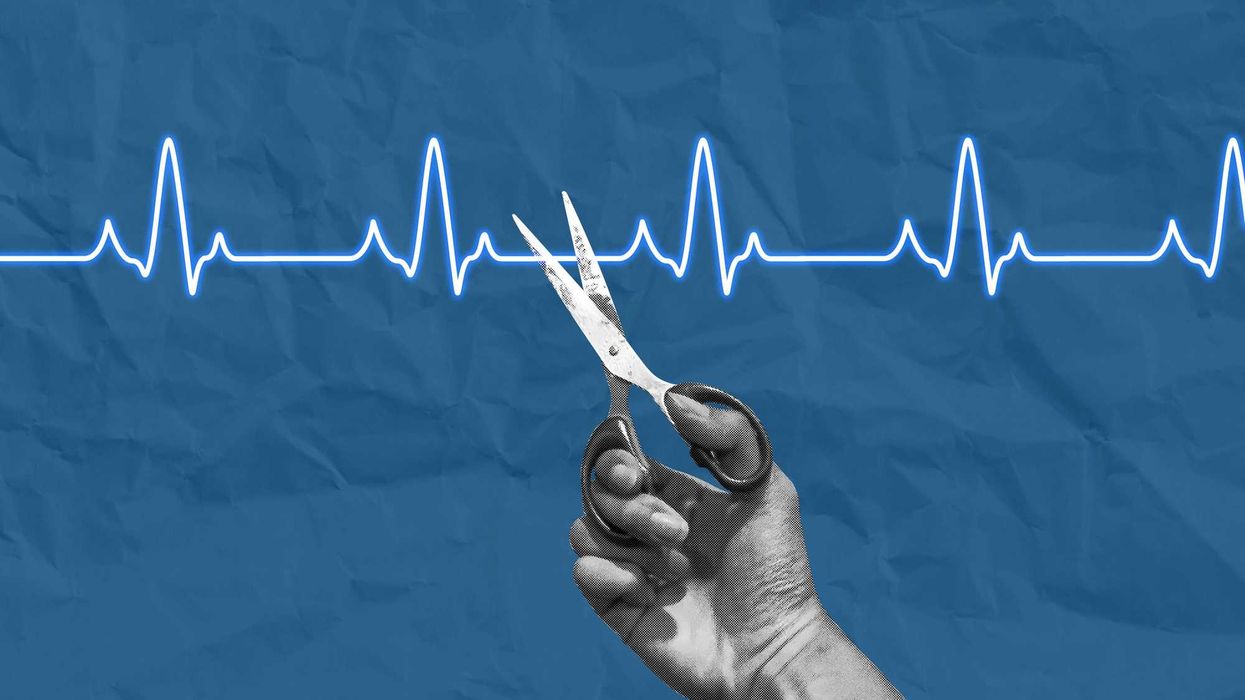
Just weeks after New York legalized physician-assisted suicide, a tragic case out of Canada should stop Americans cold.
Freedom Is Back
In Style
Premium domains for sale
Freedom Is Back
In Style
Premium domains for sale
Kiano Vafaeian died under Canada’s Medical Assistance in Dying program. He was 26. Reporting suggests his family was not notified beforehand. After a severe car accident at 17 derailed his plans, he struggled with physical and mental health challenges. He also lived with Type 1 diabetes and lost vision in one eye.
Will we measure human worth by convenience, health, and achievement? Or will we defend human dignity from conception to natural death?
His family is devastated. His mother told reporters, “We never thought there would be a chance that any doctor would approve a 22- or 23-year-old at that time for MAID because of diabetes or blindness.” But one did.
And the system isn’t slowing down. Canada is on track to surpass 100,000 assisted-suicide deaths before the program reaches its 10-year anniversary — a staggering number for what was sold as a narrow policy for the terminally ill.
The left calls this “compassion.” But once a society treats life as conditional, moral boundaries blur fast.
Kiano’s mother issued a warning every lawmaker should hear: “We don't want to see any other family member suffer, or any country introduce a piece of legislation that kills their disabled or vulnerable without appropriate proper treatment plans that could save their lives.”
None of this should surprise us. A culture that treats abortion as the solution to inconvenience will eventually treat death the same way. The pro-life movement has warned for decades that when a society declares life disposable before birth, it becomes easier to declare it disposable after birth too.
Once suffering — even ordinary suffering — becomes the test of whether life is worth living, the list of “acceptable” deaths expands. The disabled. The depressed. The chronically ill. The elderly. Canada is already living that logic, and the United States is starting to flirt with it.
But life and hope don’t come from despair. They come from courage — the kind displayed by mothers like Kiano’s who refuse to let hardship write their children’s endings.
That courage still shows up every day. Last month, on the first day of the Lenten 40 Days for Life campaign, the first baby saved was on Long Island, New York. A mother arrived at an abortion facility intending to take abortion pills. After encountering volunteers peacefully praying outside, she chose life.
That decision points to a truth pro-lifers see constantly: Hope outweighs despair.
RELATED: The winning message is the one pro-lifers keep avoiding
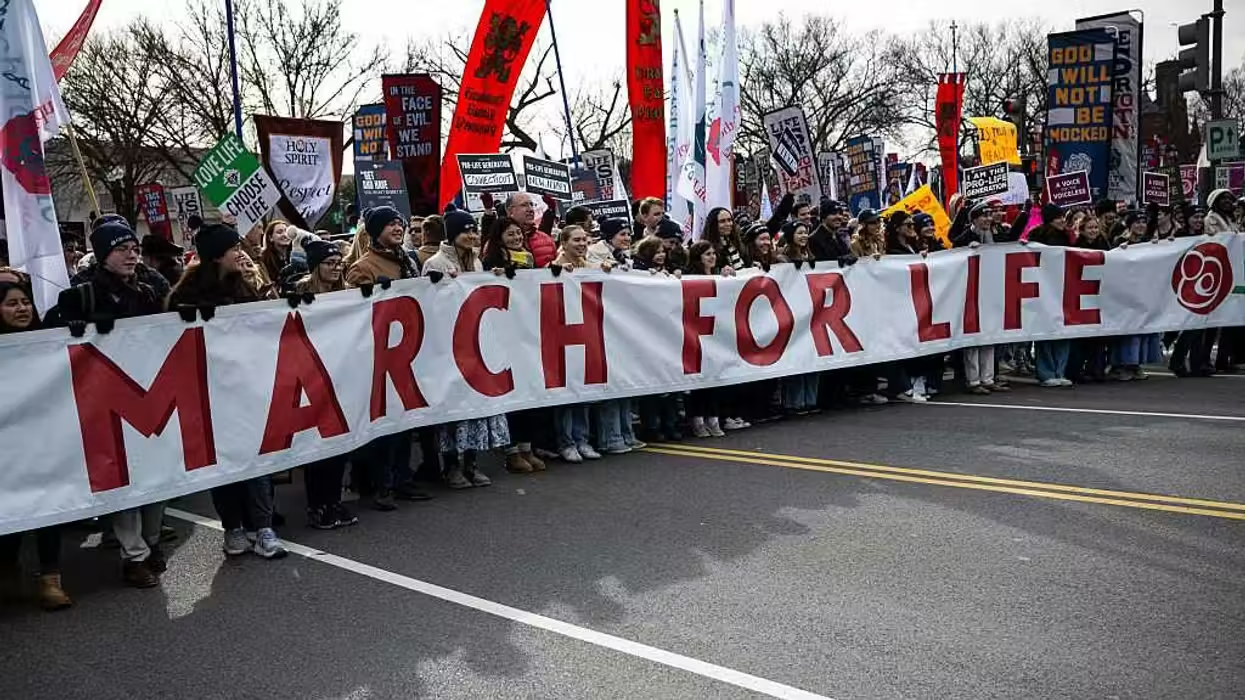 Graeme Sloan/Bloomberg via Getty Images
History is full of people born into hardship who built families, communities, and civilizations. Our ancestors endured wars, poverty, disease, and loss — and still understood that life was not the problem to be solved.
Today, our culture sells a darker story. It tells young people suffering makes life meaningless. It tells women children are burdens. It tells the sick and elderly their worth depends on productivity and independence. It teaches people to fear dependence more than they fear death.
If difficulty becomes the standard for deciding who deserves to live — or even be born — eventually no one qualifies.
The West is already sliding into what sociologists call a “demographic winter”: collapsing birth rates, shrinking populations, and cultural exhaustion feeding a doom spiral. A civilization that stops believing life is a gift stops creating it — and starts finding reasons to end it.
That’s why assisted suicide isn’t just an end-of-life policy debate. It’s a civilizational question. Will we measure human worth by convenience, health, and achievement? Or will we defend human dignity from conception to natural death?
We cannot let Canada’s hopeless logic take root here. Nationally — and in every state — we must fight for life at every stage. We should work for fewer families grieving like Kiano’s and more families celebrating.
When life becomes conditional, no life is safe. When life is received as a gift, even in the hardest moments, hope wins.
What's Your Reaction?
 Like
0
Like
0
 Dislike
0
Dislike
0
 Love
0
Love
0
 Funny
0
Funny
0
 Wow
0
Wow
0
 Sad
0
Sad
0
 Angry
0
Angry
0

I am just an average American. My teen years were in the late 70s and I participated in all that that decade offered. Started working young, too young. Then I joined the Army before I graduated High School. I spent 25 years in, mostly in Infantry units. Since then I've worked in information technology positions all at small family owned companies. At this rate I'll never be a tech millionaire. When I was young I rode horses as much as I could. I do believe I should have been a cowboy. I'm getting in the saddle again by taking riding lessons and see where it goes.
Premium domains for sale














Comments (0)