

Welcome to the new high-school activism: One side chants, the other gets punished
Premium domains for sale
Freedom Is Back In Style
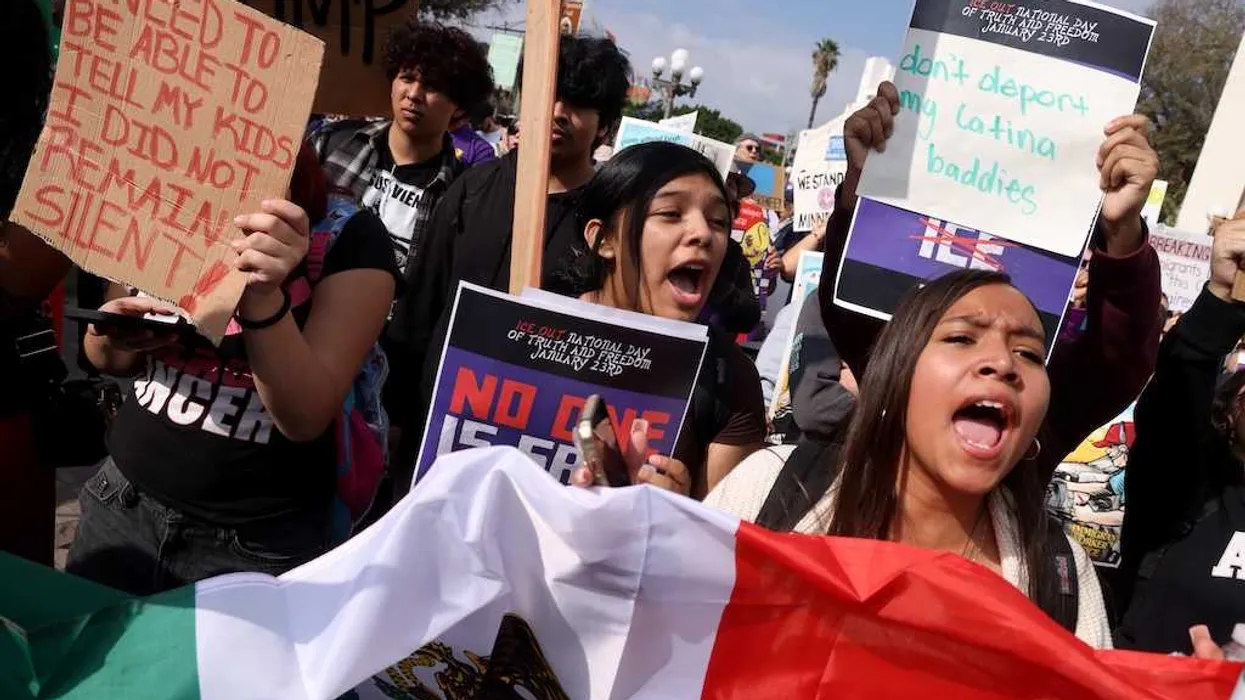
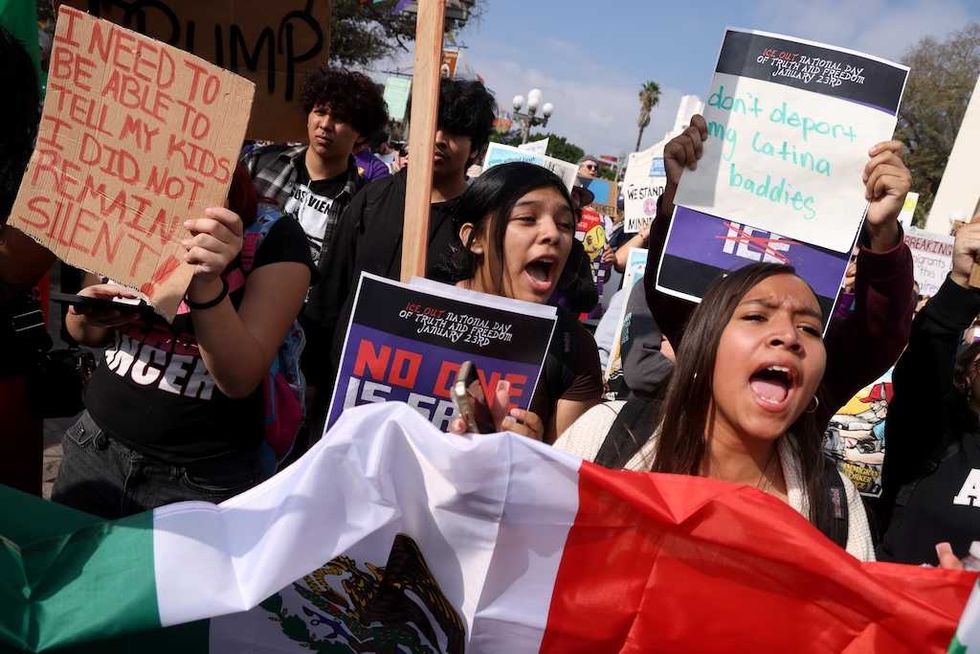
For weeks, students at hundreds of schools across the country have walked out of class to protest Immigration and Customs Enforcement actions. At Rincon High School in Arizona, leaders of the Latino Student Union organized a walkout to oppose the Trump administration’s immigration policies.
Freedom Is Back
In Style
Premium domains for sale
The next week, some of those same students demanded the removal of a Turning Point USA club from the Tucson Unified campus. Members of the Latino Student Union petitioned the school board to bar the conservative club from meeting on school property, claiming its presence made them feel “unsafe” and accusing it of a “track history of presenting hate and presenting fear.”
As American life grows more polarized, young people face mounting pressure to treat opposing speech not as something to answer, but as something to silence.
Arizona was not a one-off.
Last fall, students at Royal Oak High School in Michigan walked out over the formation of a Turning Point chapter. One protest organizer complained that the club “spreads conservative views ... and those aren’t things that we promote in our school.”
That statement tells you plenty. Students increasingly invoke the language of safety and inclusion not to protect their own right to speak, but to suppress the speech of others.
Royal Oak Schools says the district aims to provide “an inclusive, diverse, safe, and student-first environment” in which students will be “embraced, accepted, challenged, and prepared.” Yet schools cannot claim to challenge and prepare students while teaching them that disagreement itself amounts to harm.
These incidents may still be relatively few, but they point to a broader problem: the spread of speech intolerance from college campuses into K-12 education.
A report released in September by the Foundation for Individual Rights and Expression found alarming attitudes on college campuses. Among roughly 70,000 students surveyed, 34% said violence to stop someone from speaking can be acceptable, while 72% supported shouting down speakers in rare cases.
College pathologies do not stay on college campuses for long.
Through social media, ethnic-studies curricula, school speech codes, and the influence older students exert on younger ones, the campus habit of treating dissent as danger has moved into elementary and secondary education.
The results have already turned ugly.
RELATED: How liberals let America’s colleges collapse into illiberalism
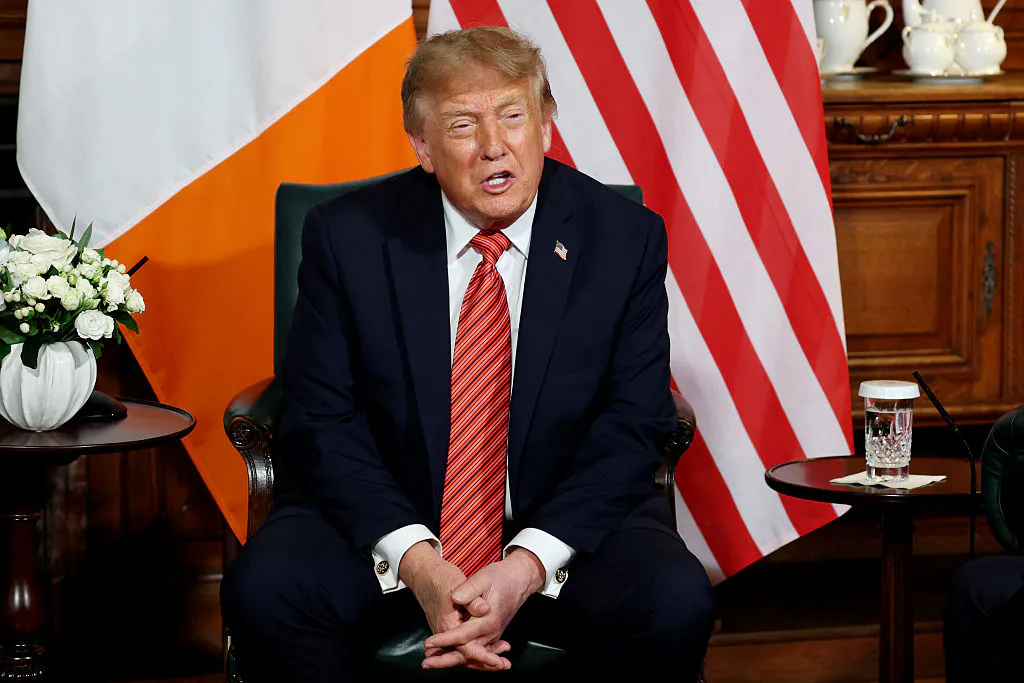
 Spencer Platt/Getty Images
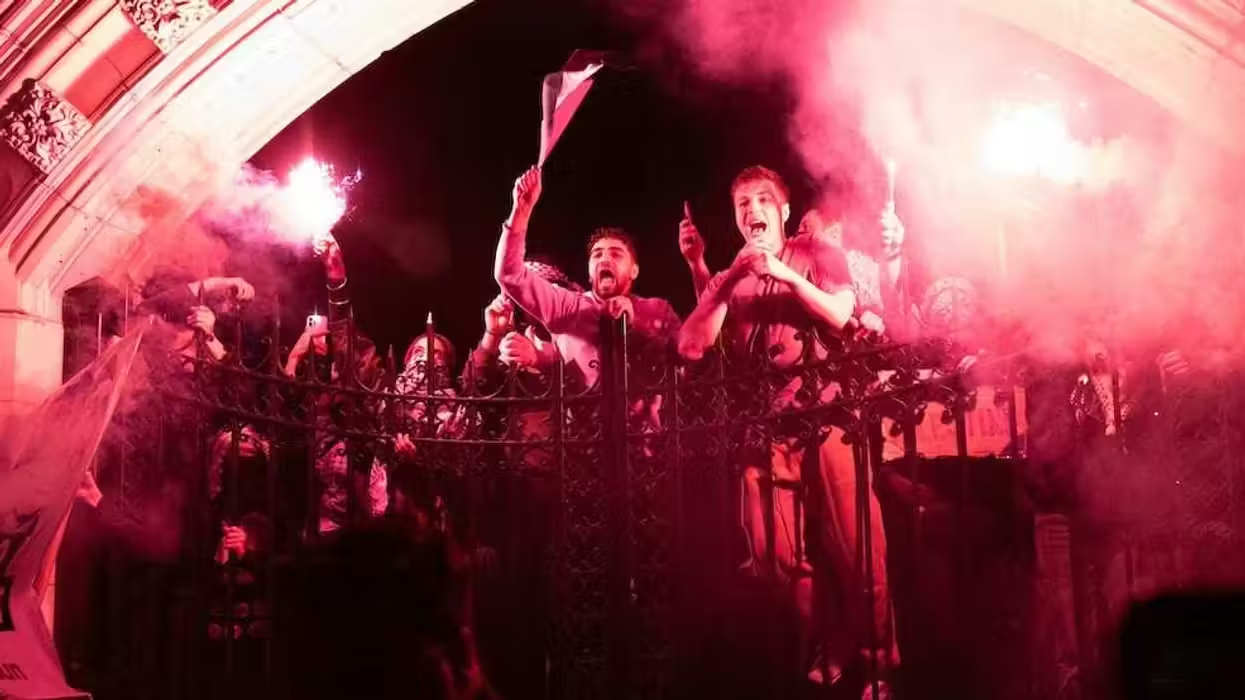
After a walkout at Hayes High School in Ohio in February, one senior said the protest “went as peaceful as it could have gone with the amount of anger that we have.” In reality, an altercation between several protesters and one dissenter ended with three students charged with disorderly conduct. The confrontation appears to have begun when walkout participants repeatedly blew whistles in the student’s face.
In Kansas, student counterprotesters from Olathe Northwest High School were attacked while demonstrating across the street from an anti-ICE protest. Their offense? They merely supported the administration and current immigration enforcement.
Thankfully, these incidents remain uncommon. But the trend should concern parents, teachers, and communities. As American life grows more polarized, young people face mounting pressure to treat opposing speech not as something to answer, but as something to silence.
Whatever one thinks of school walkouts, defenders of these protests usually justify them as exercises in civic engagement and First Amendment expression. Fine. But civic engagement does not mean demanding a microphone for yourself and a muzzle for everyone else.
Students need to learn that free speech cuts both ways. They have every right to voice their convictions. They also have a responsibility to defend the rights of people whose views they dislike, distrust, or even find offensive.
If they do not learn that lesson now, student activism will become less about persuasion than coercion. And young Americans will be trained not to practice liberty, but to imitate the tyranny they claim to oppose.
More from this network:
Domains for Sale · GOTPeople.org · TheDSAPlatform · The Truth About Socialism
What's Your Reaction?
 Like
0
Like
0
 Dislike
0
Dislike
0
 Love
0
Love
0
 Funny
0
Funny
0
 Wow
0
Wow
0
 Sad
0
Sad
0
 Angry
0
Angry
0

I am just an average American. My teen years were in the late 70s and I participated in all that that decade offered. Started working young, too young. Then I joined the Army before I graduated High School. I spent 25 years in, mostly in Infantry units. Since then I've worked in information technology positions all at small family owned companies. At this rate I'll never be a tech millionaire. When I was young I rode horses as much as I could. I do believe I should have been a cowboy. I'm getting in the saddle again by taking riding lessons and see where it goes.
Premium domains for sale








Comments (0)