

We’re Spending More Than Ever On Education. Is It Getting Us Anything?
Premium domains for sale
Freedom Is Back In Style
This piece is part of MI x DW, a collaboration that brings Daily Wire readers exclusive commentary and research from the Manhattan Institute’s world-class team of scholars.
Freedom Is Back
In Style
Premium domains for sale
In this piece, Manhattan Institute fellow Danyela Souza Egorov takes a look at ballooning public education spending and asks: What are we getting for this money? Her answer may surprise you.
***
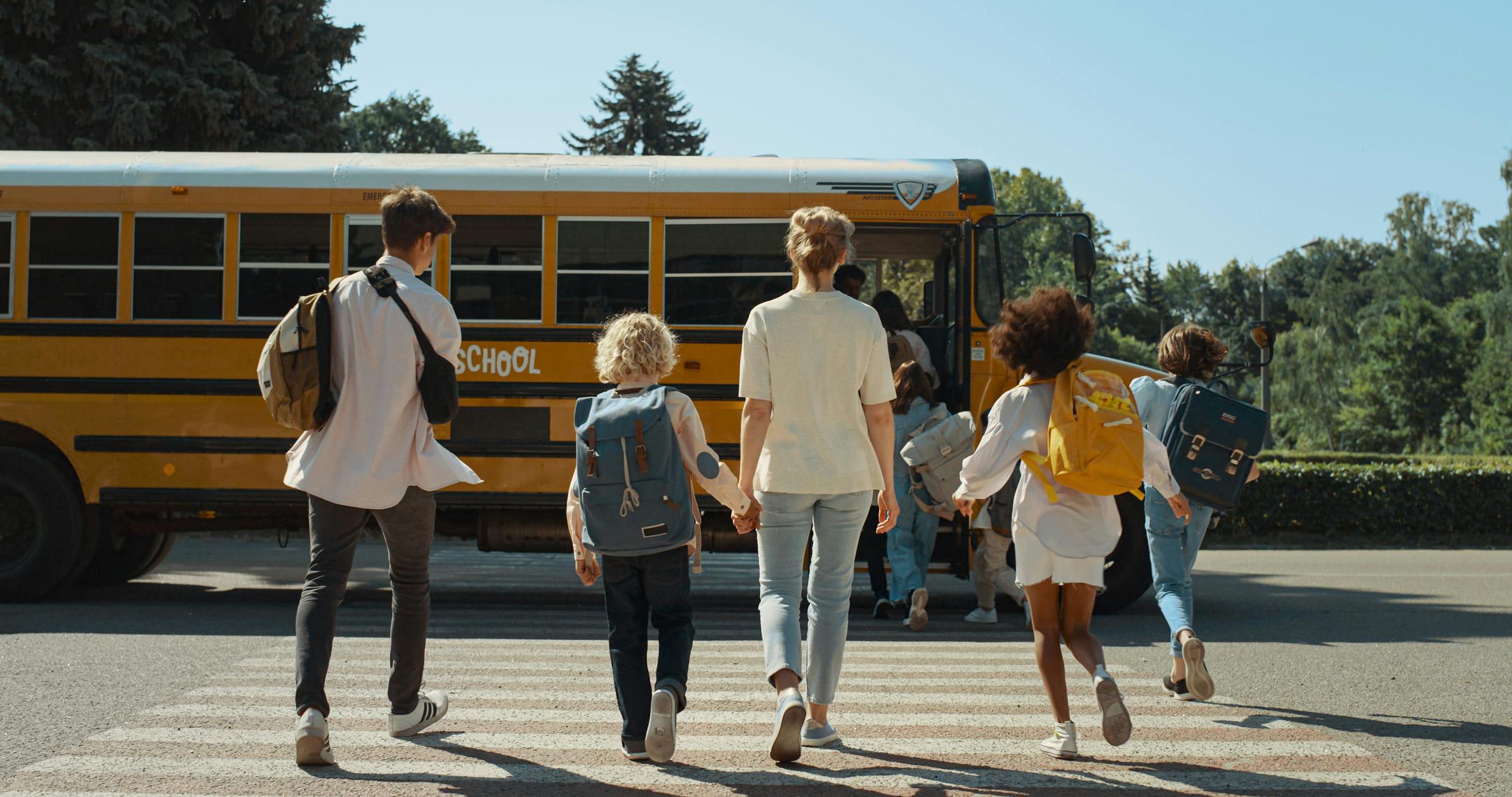
American K-12 public education spending reached $1 trillion for the first time in 2024.
But what are students getting for that money?
While spending grew by 56% since 2013, reading and math scores on the National Assessment of Educational Progress — known as “the nation’s report card” — declined. Over the next decade, national student enrollment is projected to decline by 5.5%, around 2.7 million students.
There are some bright spots. According to the Georgetown University Edunomics Lab, students in Kentucky, Louisiana, Mississippi, Tennessee, and West Virginia have seen some recent gains, with Mississippi leading in reading improvement.
However, most states with increased education budgets have not improved student outcomes, and some have even experienced declines.
What they have done is hire staff. A lot of staff.
K-12 staff grew from 5.9 million in 2014 to 6.6 million in 2024, even as schools served about 1 million fewer students. This disconnect between spending and enrollment has resulted in situations such as a Chicago school with 28 staff members for 27 students.
There’s also a Memphis charter school that was renewed despite having only 14 students enrolled — it may have helped that the principal is married to the Memphis-Shelby County Schools superintendent, who is responsible for charter renewal — and 112 New York City schools projected to enroll fewer than 150 students, effectively creating micro schools and raising per-pupil spending to approximately $42,000.
But while lots of states are snatching up staff, they’re not all spending money the same way. Take the four largest states — Florida, Texas, California, and New York — which collectively educate 34% of American students.
Click here for more Manhattan Institute content.
The red states are expanding school choice. Florida dedicates nearly 12% of its budget to school choice programs, more than any other state. Currently, 53% of Florida students attend a school of their choice rather than the one assigned to them by the government based on their home address. Texas recently passed a bill allocating $1 billion to the Texas Education Freedom Accounts, now the largest education savings account program in the country, with over 274,000 students applying in its first year.
Meanwhile, California and New York are moving to limit school choice for families. California previously saw rapid charter school growth, with about 80 new schools opening annually. However, a 2019 law that allowed local school boards to deny charter applications reduced new charter openings from 80 in 2014 to 12 in 2023.
Similarly, New York has imposed limits on school choice. Statewide, charter schools enroll about 7% of students, with higher concentrations in major cities like Buffalo (25%) and New York City (16%), where the number of charter schools has been capped.
This gap may widen next year as states decide whether to participate in the Federal Scholarship Tax program, which offers taxpayers a $1,700 dollar-for-dollar federal tax reduction for donations to scholarship-granting organizations.
Participation requires states to opt in, and neither California Governor Gavin Newsom nor New York Governor Kathy Hochul has done so. As two of the top states in federal tax payments, their nonparticipation could result in California losing $3 billion and New York losing $1.5 billion in potential donations from their residents that will benefit low-income kids in the other 27 states that have already opted in, according to Democrats for Education Reform. On Tax Day, all four senators from California and New York joined 30 Democrats to propose repealing the program.
Differences in how states allocate the $1 trillion on education resources will continue to influence where families live and how many students can access high-quality education. As David Shor, head of a major Democratic consulting firm, told the New York Times, “education has gone from being basically one of the best issues for Democrats to basically neutral now.”
As red states continue to expand family choice in education spending, Democrats will inevitably face challenges in explaining to voters policies that limit educational options for families.
Danyela Souza Egorov is a fellow at the Manhattan Institute.
More from this network:
Domains for Sale · GOTPeople.org · TheDSAPlatform · The Truth About Socialism
What's Your Reaction?
 Like
0
Like
0
 Dislike
0
Dislike
0
 Love
0
Love
0
 Funny
0
Funny
0
 Wow
0
Wow
0
 Sad
0
Sad
0
 Angry
0
Angry
0

I am just an average American. My teen years were in the late 70s and I participated in all that that decade offered. Started working young, too young. Then I joined the Army before I graduated High School. I spent 25 years in, mostly in Infantry units. Since then I've worked in information technology positions all at small family owned companies. At this rate I'll never be a tech millionaire. When I was young I rode horses as much as I could. I do believe I should have been a cowboy. I'm getting in the saddle again by taking riding lessons and see where it goes.
Premium domains for sale











Comments (0)