

What Saints Peter and Paul Have to Offer
Premium domains for sale
Freedom Is Back In Style
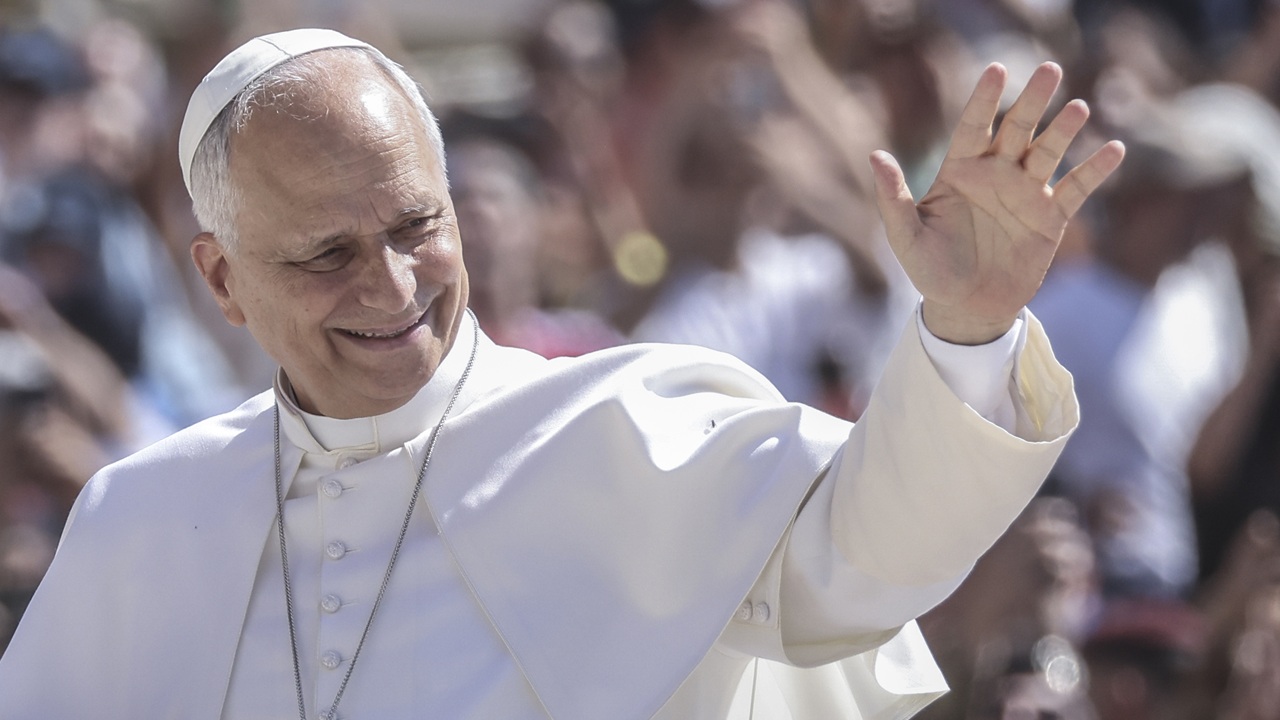
Boldness and forgiveness are both critical for human flourishing. On June 29, the Catholic Church celebrates two men who embodied these characteristics: Saint Peter and Saint Paul.
Freedom Is Back
In Style
Premium domains for sale
They were, arguably, the two most important figures in the early church after Jesus himself. They were responsible for leading the faithful and for bringing about the conversion of the masses across the known world. The Church celebrates them together because they were both martyred in Rome during the same year.
There can be a temptation to write off the experiences of ancient saints, or saints in general, as not applicable for our lives. However, investigating who Peter and Paul were reveals that they were ordinary, flawed men—but men worth learning from. Their lives challenge us to both speak boldly about one’s faith and rely on the mercy of God when we fall.
Peter was a fisherman and one of the first disciples that Jesus called to follow Him. In Peter’s very first encounter with Jesus, we see some of his personality.
Jesus was preaching on the shore as Peter was cleaning his nets after a night’s work. Christ asked to teach from the boat in order for the people on the beach to be able to better hear him. When he concluded his teaching, Jesus commanded Peter to cast his nets into the sea for a catch.
Peter’s first response to Jesus was to hesitate—and vocally so. He tells Jesus, with a tone of pride and doubt, that they had been fishing all night and had caught nothing, “but at your command I will lower the nets,” Peter said (Luke 5:5).
Peter must have doubted Jesus, because after Jesus gives them a miracle catch of fish, Peter tells Him: “Depart from me, Lord, for I am a sinful man” (Luke 5:7).
In this scene, as well as many others, Peter is quick to speak boldly and loudly. He is a man who is broken and in need of forgiveness. These themes arise again when Jesus appoints Peter as the rock of the church and head of apostles following Peter’s recognition that Jesus is the Christ (Matthew 16:13-20).
However, following Peter’s boldness of speech and radical faith, Jesus tells the disciples that he will suffer greatly and be killed. Peter’s response is, “God forbid, Lord! No such thing shall ever happen to you” (Matthew 16:22). Jesus tells him that he is a stumbling block and that he must stop thinking like the world. Again, Peter is bold but is in need of deeper renewal.
The starkest instance of Peter’s need for mercy comes during Jesus’ trial before the Jewish Sanhedrin (Matthew 26:69-75). Peter denied even knowing Jesus three times. His bold speech—which in the Book of Acts would serve Christ so well—was his weakness.
After the resurrection, Jesus mercifully forgives Peter and commands him to continue as the shepherd of the church (John 21:15-19).
We too must be bold like Peter in giving our lives to Jesus and in speaking the truth about who He is. But when we fail Christ—as we all do—we also must seek forgiveness.
Ultimately, Peter gave his life for Jesus, being crucified in Rome. To the last, he knew Christ deeply and recognized that he needed His love.
For St. Paul, the themes of mercy and boldness continue. Paul, formerly Saul, was an esteemed Jewish scholar and Pharisee. He persecuted early Christians for claiming that Jesus was the messiah and that he was God. Saul was initially one of the most outspoken critics of the early Christian movement.
On his way to Damascus (where he was looking for Christians to persecute), Jesus appeared to him in a flash of light (Acts 9:1-9). Jesus said to him, “Saul, Saul, why are you persecuting me?”
Saul was deeply moved by the encounter, and he was left temporarily blinded. After being healed from his blindness by the Christian Ananias and learning more about Jesus’ life and teachings, Saul became Paul, and he began to preach Jesus’ name in Damascus (the very town he was going to persecute Christians in).
The rest of his days were spent preaching about Jesus, developing theology, and forming and encouraging communities of faith.
The man who sought to imprison and even kill Christians was himself killed in Rome for his refusal to cease preaching and spreading the news that Jesus was messiah and Lord.
Paul challenges us to consider the path we are on in life. Do we persecute Jesus by denying him the honor he deserves or by mistreating others? How are we blind to God and his image in others? He also reveals that our life’s mission is to live for God, who is the source of everything and the love that conquers all.
Mercy and boldness in speech. This is what Peter and Paul have to offer us. May we accept the invitation to seek forgiveness and proclaim the One who always forgives.
We publish a variety of perspectives. Nothing written here is to be construed as representing the views of the Daily Signal.
More from this network:
Domains for Sale · GOTPeople.org · TheDSAPlatform · The Truth About Socialism
What's Your Reaction?
 Like
0
Like
0
 Dislike
0
Dislike
0
 Love
0
Love
0
 Funny
0
Funny
0
 Wow
0
Wow
0
 Sad
0
Sad
0
 Angry
0
Angry
0

I am just an average American. My teen years were in the late 70s and I participated in all that that decade offered. Started working young, too young. Then I joined the Army before I graduated High School. I spent 25 years in, mostly in Infantry units. Since then I've worked in information technology positions all at small family owned companies. At this rate I'll never be a tech millionaire. When I was young I rode horses as much as I could. I do believe I should have been a cowboy. I'm getting in the saddle again by taking riding lessons and see where it goes.
Premium domains for sale


















Comments (0)