

A hundred years ago, Coolidge told the intellectuals they had missed the point of their own country. He was right.
Premium domains for sale
Freedom Is Back In Style
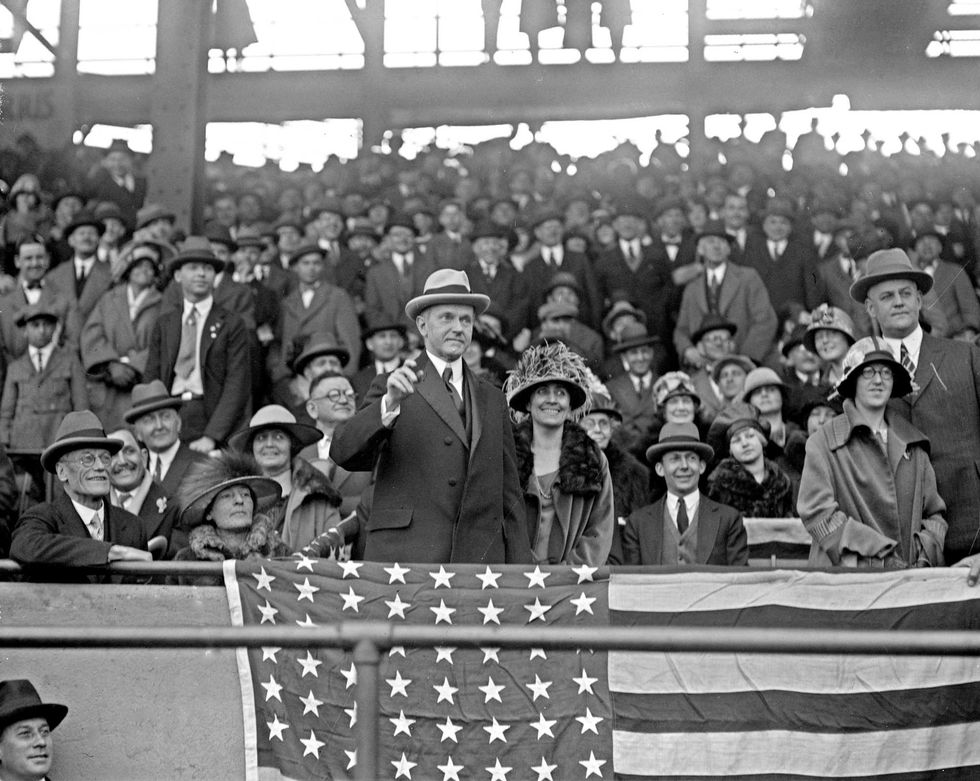
George Will has called it "one of the half-dozen best speeches ever given by an American president." Calvin Coolidge gave it in Philadelphia on a Monday, to a crowd of 35,000, in a voice one reporter described as “as unemotional as Fate.”
Freedom Is Back
In Style
Premium domains for sale
Calvin Coolidge holds a unique distinction. He is the only U.S. president born on the Fourth of July. But the year in question, his birthday landed on a Sunday — and for Coolidge, a Calvinist, that meant church came first. He and his family attended services at Washington's First Congregational Church, then spent the evening at home over a quiet dinner. The big Philadelphia commemoration would simply have to wait until Monday.
'About the Declaration, there is a finality that is exceedingly restful.'
As if on cue, a rainstorm tore through Washington on the Fourth itself. Fireworks were rained out that Sunday, pushed to a next-day show on the July 5. The country's actual birthday got rained out. Coolidge's rebuttal happened the next day — and the rain followed him. Tens of thousands packed the Sesquicentennial Stadium in Philadelphia anyway to hear him speak.
The fight was over whether the Declaration of Independence still meant anything. A wave of progressive thinkers had taken to dismissing its core claims — that all men are created equal, that rights are inalienable, that government answers to the people — as relics from a less enlightened age, ideas modern minds had supposedly outgrown.
Coolidge stood up and told them they were wrong.
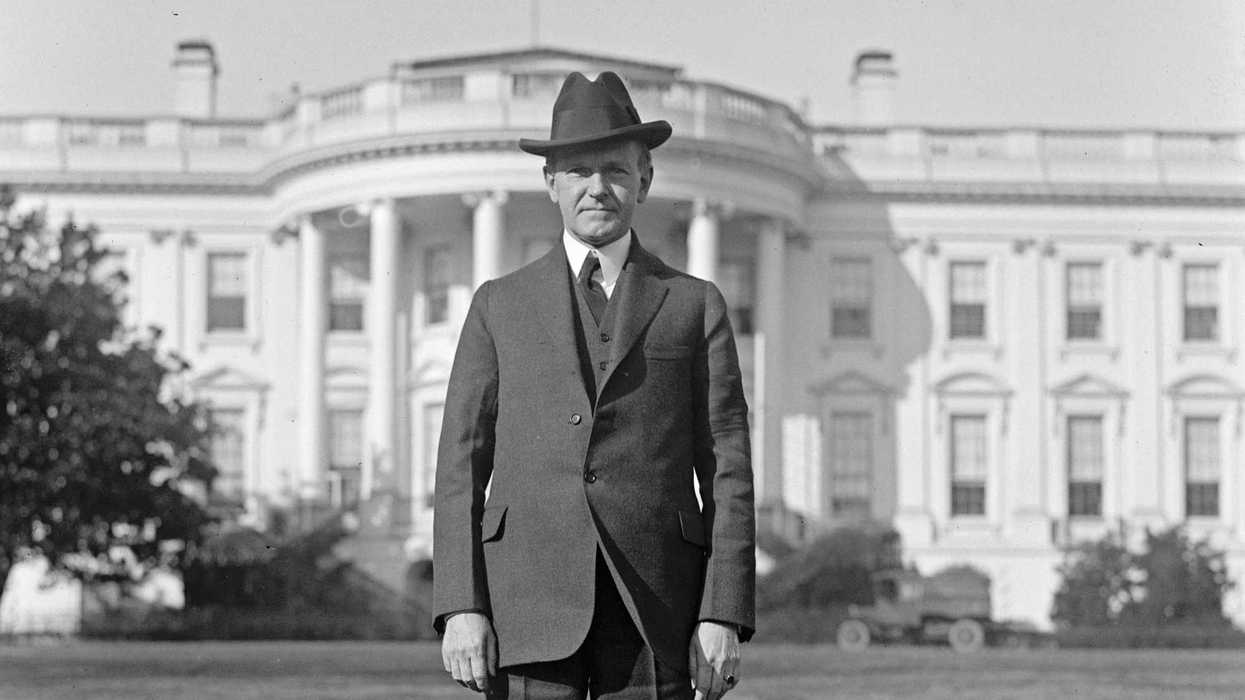 HUM Images/Universal Images Group/Getty Images
“About the Declaration,” he said, “there is a finality that is exceedingly restful.” If all men are created equal, “that is final.” If they are endowed with inalienable rights, “that is final.” If government draws its power from the consent of the governed, “that is final.”
Then he went farther. Those who wanted to reject those propositions weren’t moving forward — they were moving backward, toward a time when there was no equality, no rights of the individual, no rule of the people. “Those who wish to proceed in that direction cannot lay claim to progress. They are reactionary.”
He was telling the smartest people in the room that they had missed the point of their own country. A century later, the argument hasn’t aged a day.
Like Blaze News? Bypass the censors, sign up for our newsletters, and get stories like this direct to your inbox. Sign up here!
More from this network:
Domains for Sale · GOTPeople.org · TheDSAPlatform · The Truth About Socialism
What's Your Reaction?
 Like
0
Like
0
 Dislike
0
Dislike
0
 Love
0
Love
0
 Funny
0
Funny
0
 Wow
0
Wow
0
 Sad
0
Sad
0
 Angry
0
Angry
0

I am just an average American. My teen years were in the late 70s and I participated in all that that decade offered. Started working young, too young. Then I joined the Army before I graduated High School. I spent 25 years in, mostly in Infantry units. Since then I've worked in information technology positions all at small family owned companies. At this rate I'll never be a tech millionaire. When I was young I rode horses as much as I could. I do believe I should have been a cowboy. I'm getting in the saddle again by taking riding lessons and see where it goes.
Premium domains for sale




















Comments (0)