

Japan is close to finding cure for rare disorder that devastates children
Premium domains for sale
Freedom Is Back In Style
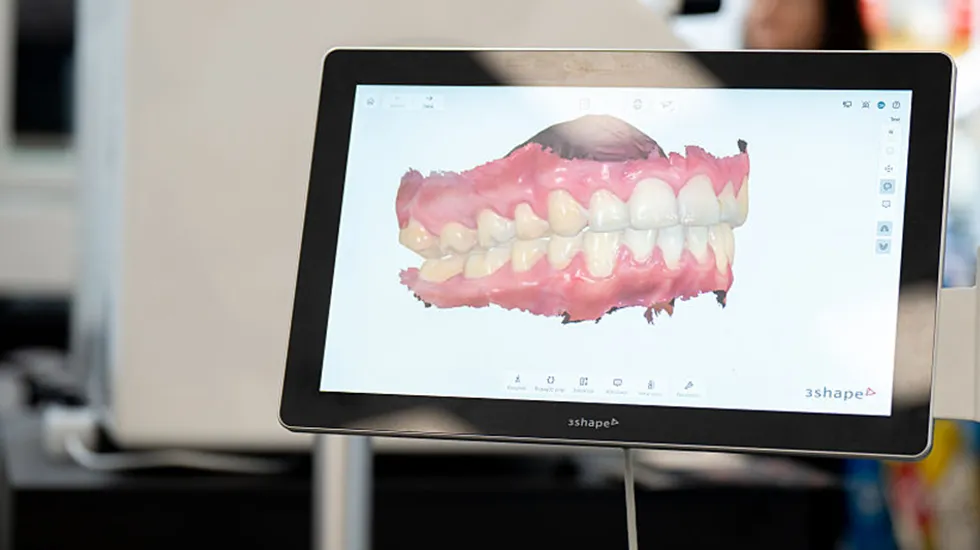
A rare defect that can be devastating to children is getting a first-of-its-kind medicine from Japanese researchers.
Freedom Is Back
In Style
Premium domains for sale
A new treatment is now five years in the making, and after being used for medical applications, it's likely the product will be available for use by the general population as well.
'We feel that people's expectations ... are high.'
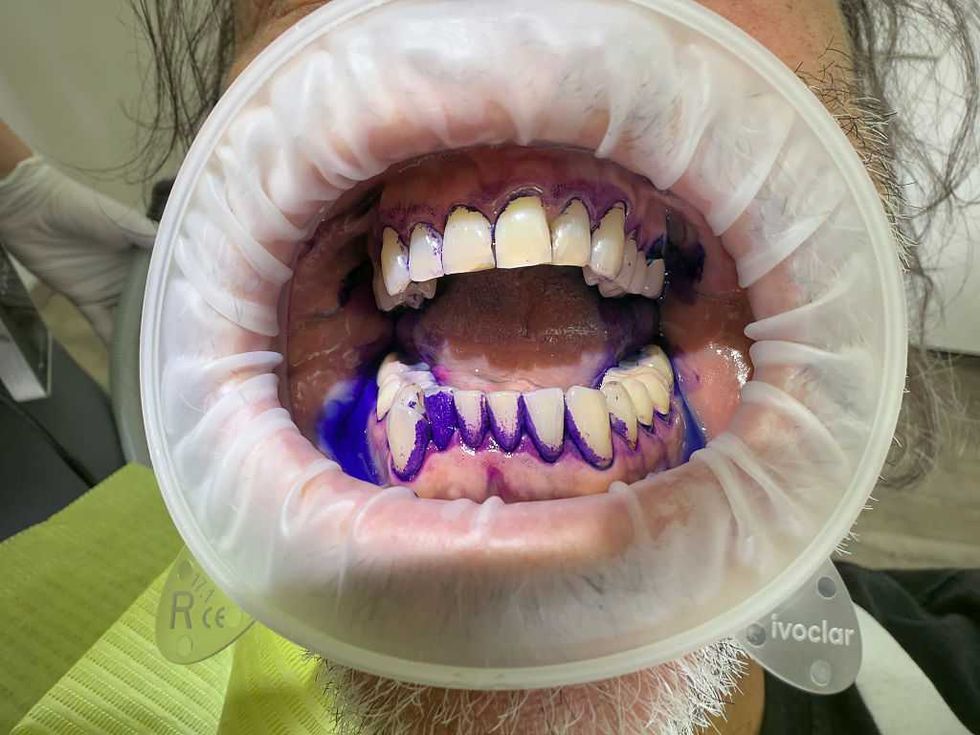
Since 2021, Japanese researchers have been hoping to find a solution for anodontia, the medical term for the complete absence of teeth, according to the Cleveland Clinic.
The initial study for this project states that anodontia and congenital tooth agenesis are common tooth anomalies affecting 1% of the worldwide population, resulting in a high rate of missing teeth.
The solution, according to lead researcher Katsu Takahashi, is to counteract a protein called USAG-1, which inhibits the growth of teeth.
"We want to do something to help those who are suffering from tooth loss or absence," he told the Mainichi in 2024. "While there has been no treatment to date providing a permanent cure, we feel that people's expectations for tooth growth are high."
The goal of the project is to give young children who have no teeth the joy of a real smile.
RELATED: Japan’s beautiful love affair with America
 EyesWideOpen/Getty Images
The research was moved into human trials in October 2024 and lasted until October 2025. The controlled trial involved 30 males between 30 and 65 who were missing one or more molars, and the medicine was administered through one single intravenous dose.
The study has since been marked as completed, but little public information has been released. However, the Economic Times reported that as of April, preliminary analyses showed positive results with no significant side effects.
The next phase of the research is reportedly to test the medicine on children between 2 and 7 who suffer from congenital anodontia.
RELATED: That customer service rep with the American accent might still be an Indian guy — here's how
- YouTube
The teams at Kitano Hospital and Kyoto University Hospital believe that it may be soon possible to grow teeth not only in people with the aforementioned conditions, but also for common conditions like tooth loss from cavities or injuries.
According to Popular Mechanics, if the latest trials are successful, the researchers believe the medicine will become available to the public for all forms of tooth loss around 2030.
Like Blaze News? Bypass the censors, sign up for our newsletters, and get stories like this direct to your inbox. Sign up here!
More from this network:
Domains for Sale · GOTPeople.org · TheDSAPlatform · The Truth About Socialism
What's Your Reaction?
 Like
0
Like
0
 Dislike
0
Dislike
0
 Love
0
Love
0
 Funny
0
Funny
0
 Wow
0
Wow
0
 Sad
0
Sad
0
 Angry
0
Angry
0

I am just an average American. My teen years were in the late 70s and I participated in all that that decade offered. Started working young, too young. Then I joined the Army before I graduated High School. I spent 25 years in, mostly in Infantry units. Since then I've worked in information technology positions all at small family owned companies. At this rate I'll never be a tech millionaire. When I was young I rode horses as much as I could. I do believe I should have been a cowboy. I'm getting in the saddle again by taking riding lessons and see where it goes.
Premium domains for sale






















Comments (0)