

Kyle Busch’s Death Exposes The ‘Silent Killer’ Warning Signs Everyone Should Know

Premium domains for sale
Freedom Is Back In Style
At just 41 years old, NASCAR legend Kyle Busch died after severe pneumonia progressed into sepsis, causing fatal complications.
Freedom Is Back
In Style
Premium domains for sale
In Busch’s case, reports indicate he initially believed he was dealing with a sinus infection or cold before the illness worsened into bacterial pneumonia, which later triggered sepsis.
The husband and father of two’s untimely death has put a spotlight on sepsis, a life-threatening condition that occurs when the body’s response to an infection begins damaging its own tissues and organs. According to the Centers for Disease Control and Prevention, more than 1.7 million adults in the United States develop sepsis each year, and at least 350,000 die during hospitalization or are discharged to hospice.
Typically, older adults, young children, and immunocompromised individuals are at greater risk of developing sepsis. However, it can also occur in otherwise healthy people, particularly when infections are left untreated or quickly worsen.
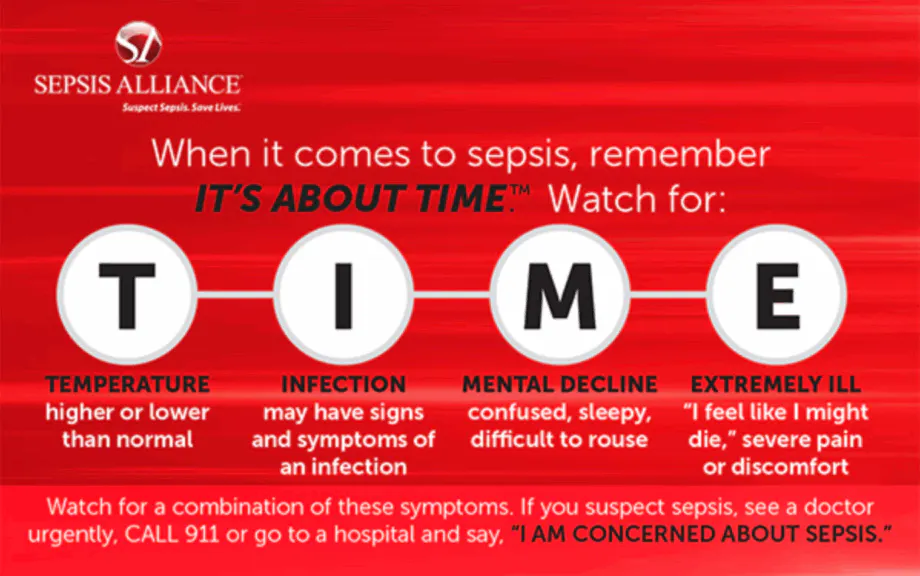
To help people recognize potential warning signs of sepsis, Sepsis Alliance, a nonprofit dedicated to raising awareness about the condition, developed the acronym TIME. The acronym stands for Temperature — higher or lower than normal; Infection — signs or symptoms of an infection; Mental decline — confusion, sleepiness, or difficulty waking up; and Extremely ill — severe pain, shortness of breath, or feeling like you might die.
The organization urges people to watch for a combination of these symptoms and seek immediate medical care as soon as possible, since prompt treatment can improve outcomes significantly.
Sepsis Alliance
Health experts also stress that proper treatment of infections is critical to reducing sepsis risk. Sepsis Alliance encourages people to closely monitor infections and follow treatment plans exactly as directed by their doctor. In particular, people recovering from surgery, pneumonia, urinary tract infections, or other bacterial illnesses are advised to pay close attention to their symptoms.
Regarding the use of antibiotics, these should be taken exactly as directed. Doses should not be skipped and patients should complete the full course of medication even if symptoms begin to improve. Stopping antibiotics too early can allow bacteria to survive, potentially causing an infection to return or worsen.
Sepsis Alliance also advises against using leftover antibiotics or taking medication prescribed for someone else, warning that improper antibiotic use can delay effective treatment and contribute to antibiotic resistance.
The organization further recommends seeking medical attention if an infection is not improving, symptoms suddenly worsen, or warning signs of sepsis — like confusion, difficulty breathing, extreme pain, or a feeling that something is seriously wrong — begin to appear.
Although sepsis is a serious medical emergency, experts say greater public awareness, timely treatment, and proper infection care can help save lives.
Related: Legendary NASCAR Driver Kyle Busch Dead At 41
More from this network:
Domains for Sale · GOTPeople.org · TheDSAPlatform · The Truth About Socialism
What's Your Reaction?
 Like
0
Like
0
 Dislike
0
Dislike
0
 Love
0
Love
0
 Funny
0
Funny
0
 Wow
0
Wow
0
 Sad
0
Sad
0
 Angry
0
Angry
0

I am just an average American. My teen years were in the late 70s and I participated in all that that decade offered. Started working young, too young. Then I joined the Army before I graduated High School. I spent 25 years in, mostly in Infantry units. Since then I've worked in information technology positions all at small family owned companies. At this rate I'll never be a tech millionaire. When I was young I rode horses as much as I could. I do believe I should have been a cowboy. I'm getting in the saddle again by taking riding lessons and see where it goes.
Premium domains for sale




















Comments (0)