

Mamdani’s World Cup Giveaway Is A Grifter’s Game
Premium domains for sale
Freedom Is Back In Style
Zohran Mamdani has found a new way to play Santa Claus with other people’s money.
Freedom Is Back
In Style
Premium domains for sale
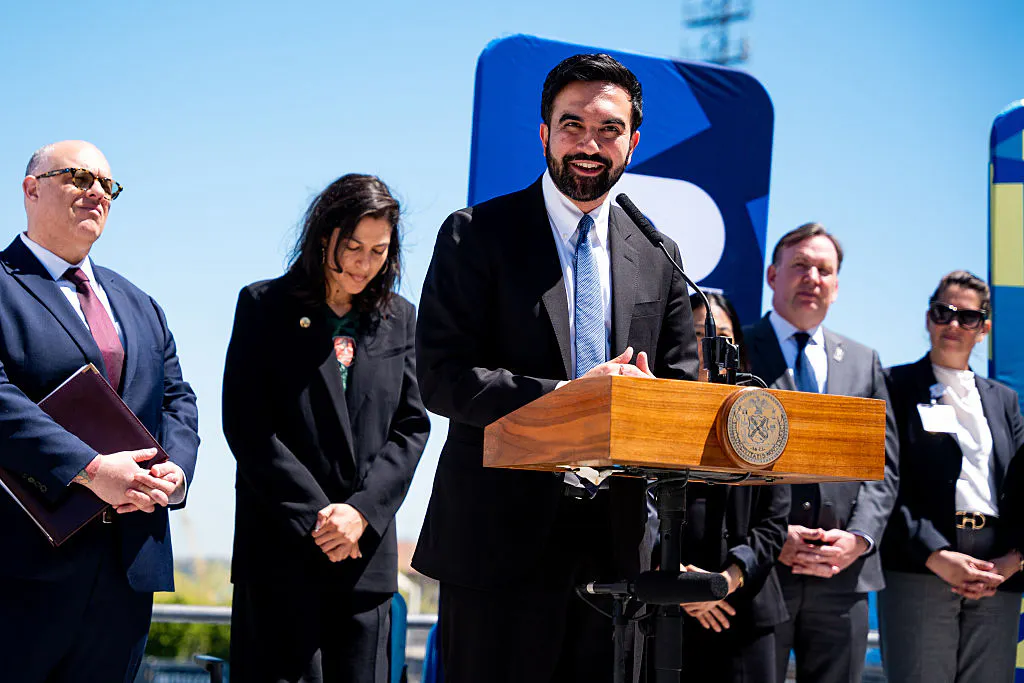
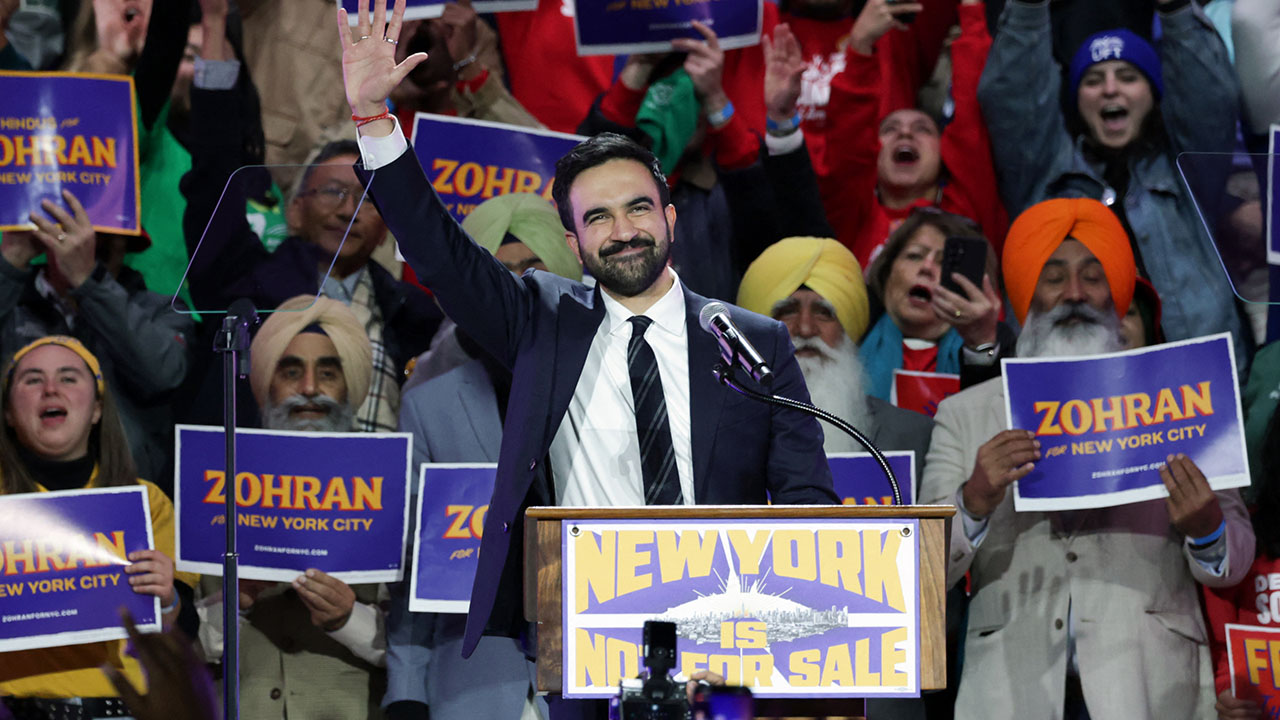
Last week, New York City’s socialist mayor proudly announced a deal that will allow 1,000 New York City residents to purchase World Cup tickets for just $50 each, complete with free transportation to the games. The announcement was framed as a victory for affordability and access, proof that government can step in and help ordinary people enjoy one of the world’s biggest sporting events.
But there’s one problem: the games aren’t being played in New York City. They’re being played in New Jersey.
While Mamdani enjoys the headlines and takes credit for making the World Cup more “affordable,” New Jersey residents will be dealing with the traffic, security costs, transit disruptions, and logistical burdens that come with hosting one of the largest sporting events on the planet. New Jersey taxpayers are helping shoulder those costs, yet New York politicians are the ones claiming the political victories.
The arrangement is a perfect illustration of a broader problem in progressive politics. Time and again, politicians create highly visible benefits for a select group of people while pushing the costs onto someone else. The formula is simple: generate a headline, distribute a perk, celebrate the winners, and avoid talking about who ultimately pays for it.
Mamdani’s supporters will argue that he is simply making good on his promise to make New York more affordable. But affordable for whom? The World Cup has become a luxury event, with many tickets costing hundreds or even thousands of dollars. A giveaway of 1,000 discounted tickets doesn’t solve that problem. It simply creates a handful of lucky winners while leaving the overwhelming majority of families priced out of the event.
That’s the dirty little secret behind many modern political “solutions.” They’re often designed to create the appearance of action rather than address the underlying issue. If housing is unaffordable, create a subsidy. If college costs are too high, forgive selected loans. If World Cup tickets are out of reach, give away a limited number of discounted seats. The politician gets a favorable news cycle while the larger problem remains unsolved.
What makes this case especially frustrating is that New Jersey is doing much of the heavy lifting. The state’s infrastructure, public safety resources, and transportation systems will all be put under enormous strain during the tournament. Yet when an opportunity arises to provide a meaningful benefit to residents, New York City negotiates a special arrangement for its own constituents and then celebrates it as an achievement.
If the games are being played in New Jersey, why aren’t New Jersey families receiving the same opportunity?
The answer is obvious. This was never primarily about soccer. It was about politics. Mamdani understands that voters remember benefits far more than they remember costs. The benefits are visible, immediate, and easy to market. The costs are spread out, buried in budgets, and often paid by people who aren’t standing behind the politician at a press conference.
The World Cup should be an event that brings the region together. Instead, it has become a case study in how politicians increasingly operate: concentrate benefits, disperse costs, and claim credit for both. Mamdani may view this ticket giveaway as a political win, but for many taxpayers watching from across the Hudson, it looks like a familiar story — one group gets the perks while another gets the bill.
That’s not affordability. It’s political theater.
***
Rosemary Becchi is a tax attorney, taxpayer advocate, and founder of Jersey 1st.
More from this network:
Domains for Sale · GOTPeople.org · TheDSAPlatform · The Truth About Socialism
What's Your Reaction?
 Like
0
Like
0
 Dislike
0
Dislike
0
 Love
0
Love
0
 Funny
0
Funny
0
 Wow
0
Wow
0
 Sad
0
Sad
0
 Angry
0
Angry
0

I am just an average American. My teen years were in the late 70s and I participated in all that that decade offered. Started working young, too young. Then I joined the Army before I graduated High School. I spent 25 years in, mostly in Infantry units. Since then I've worked in information technology positions all at small family owned companies. At this rate I'll never be a tech millionaire. When I was young I rode horses as much as I could. I do believe I should have been a cowboy. I'm getting in the saddle again by taking riding lessons and see where it goes.
Premium domains for sale









Comments (0)