

More Americans Are Finding Faith, But Social Media Is Changing What That Looks Like
Premium domains for sale
Freedom Is Back In Style
This article is part of Upstream, The Daily Wire’s new home for culture and lifestyle. Real human insight and human stories — from our featured writers to you.
Freedom Is Back
In Style
Premium domains for sale
***
I’m a Catholic convert. We hear about that a lot lately. Some of the most prominent podcasters, online influencers, and elected officials are announcing their conversions. Rosaries are becoming more prominent, and the Latin Mass is back in vogue.
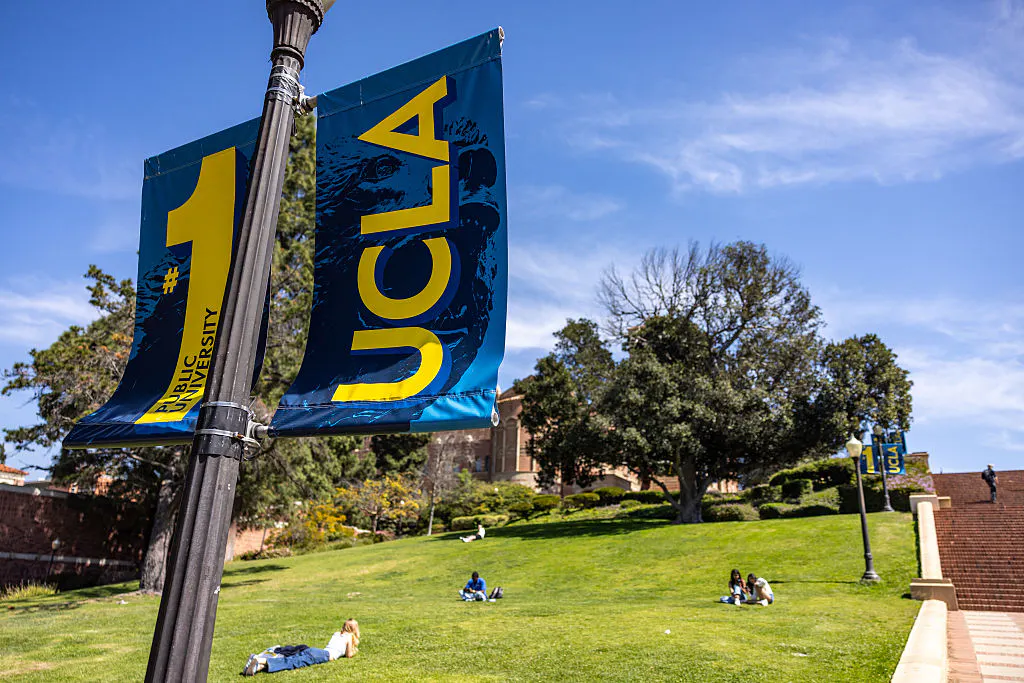
Conversion is good, and these conversions align with a positive trend in the Catholic Church. After a 20-year decline in conversions, the Catholic Church has experienced a surge in new members since 2020. Converts in 2025 more than doubled those in 2020. Even Los Angeles experienced a 44% year-over-year growth in 2025. The word “Gospel” comes from the Greek “euangelion,” which means “good news.” This is the good news.
But it comes with some tension. Some of the largest converts leverage their massive online followings and media audiences to proclaim their conversions to the world. Algorithms reward visibility, announcement, and identity signaling. This actually fits perfectly into conversion, which is declarative, shareable, and witnessed by an audience.
But this contrasts sharply with Holy Week, which is quiet, uncomfortable, and non-performative in its nature. This week is about ensuring we don’t skip the part of our faith that actually defines it. Today’s culture emphasizes performance, but Holy Week emphasizes discernment. Rather than partaking in passive activities such as sitting and scrolling, Catholics are taught to participate in Holy Week. Mass attendees take part in the full reading of the Passion on Palm Sunday, and we fast, abstain, and worship on Good Friday.
So, I’m urging my fellow Catholics — and specifically, my fellow converts — not to squander this week but to embrace the elements of our faith that actually define it. To bridge the gap between “becoming a Catholic” and what the faith actually asks of you.
I’ll never forget my first Holy Week. I was confused about what could be “good” about the Friday on which Christ was crucified, not knowing that good means “holy” and this was the day his suffering delivered redemption and his death gave us life. In my early years of conversion, Holy Week was something I observed, but over time, it has become something I live.
Easter aligns with cultural preferences for joy, victory, and public celebrations. This fits into our modern instincts of resolution, progress, and clean endings. While social media favors identity over transformation and announcement over discipline, there are very few hashtags for silence, repentance, and interior change. You can “like” Easter. You can post Easter.
But Easter without Good Friday is incomplete. Good Friday requires a specific tone that would be punished in any online algorithm. Two days before the culmination of Lent, we emphasize silence and a reflective slowness. There is no spectacle or performative payoff. You spend a day sitting with the heavy responsibility of carrying the faith forward. For me, my first Good Friday was quite dark. The kids were off from school, but this was no vacation. Good Friday is a day to log spiritual hours.
My fellow Catholic and friend Arthur Brooks has made a career out of proving that “meaning” is a key ingredient to a happy life. Holy Week gives meaning to our Catholic faith, and we should use this week to help accelerate the positive conversion trends in our church. It’s good that people are coming in, but it can’t stop at one’s announcement. Interest must lead to commitment. The internet can celebrate conversion, but only real life can sustain it. Jesus Christ’s faith doesn’t fit neatly into our algorithms today. If that’s where your faith is performing best, you may have skipped the part that actually changes you.
Pope John Paul II often discussed the divided life. He cautioned against separating spiritual values from one’s daily actions and promoted a unified life fixed in God’s eternal love. This is a message I hope my fellow converts will heed — especially those who lead very public lives, reaching audiences far larger than any single congregation or diocese. I pray they are participating in all of the activities of Holy Week, not just outwardly, but internally. Like prayer, Holy Week is an external sign of inward grace. And our culture is craving grace right now.
I’ll let Jesus in Matthew 16:24-25 have the last word: “If anyone would come after me, let him deny himself and take up his cross and follow me. For whoever would save his life will lose it.”
***
Gates Garcia is the host of the YouTube show and podcast We The People with Gates Garcia. Follow him on X and Instagram @GatesGarciaFL.
More from this network:
Domains for Sale · GOTPeople.org · TheDSAPlatform · The Truth About Socialism
What's Your Reaction?
 Like
0
Like
0
 Dislike
0
Dislike
0
 Love
0
Love
0
 Funny
0
Funny
0
 Wow
0
Wow
0
 Sad
0
Sad
0
 Angry
0
Angry
0

I am just an average American. My teen years were in the late 70s and I participated in all that that decade offered. Started working young, too young. Then I joined the Army before I graduated High School. I spent 25 years in, mostly in Infantry units. Since then I've worked in information technology positions all at small family owned companies. At this rate I'll never be a tech millionaire. When I was young I rode horses as much as I could. I do believe I should have been a cowboy. I'm getting in the saddle again by taking riding lessons and see where it goes.
Premium domains for sale





Comments (0)