

New Kentucky Audit Shows Why Families Need Education Freedom
Premium domains for sale
Freedom Is Back In Style
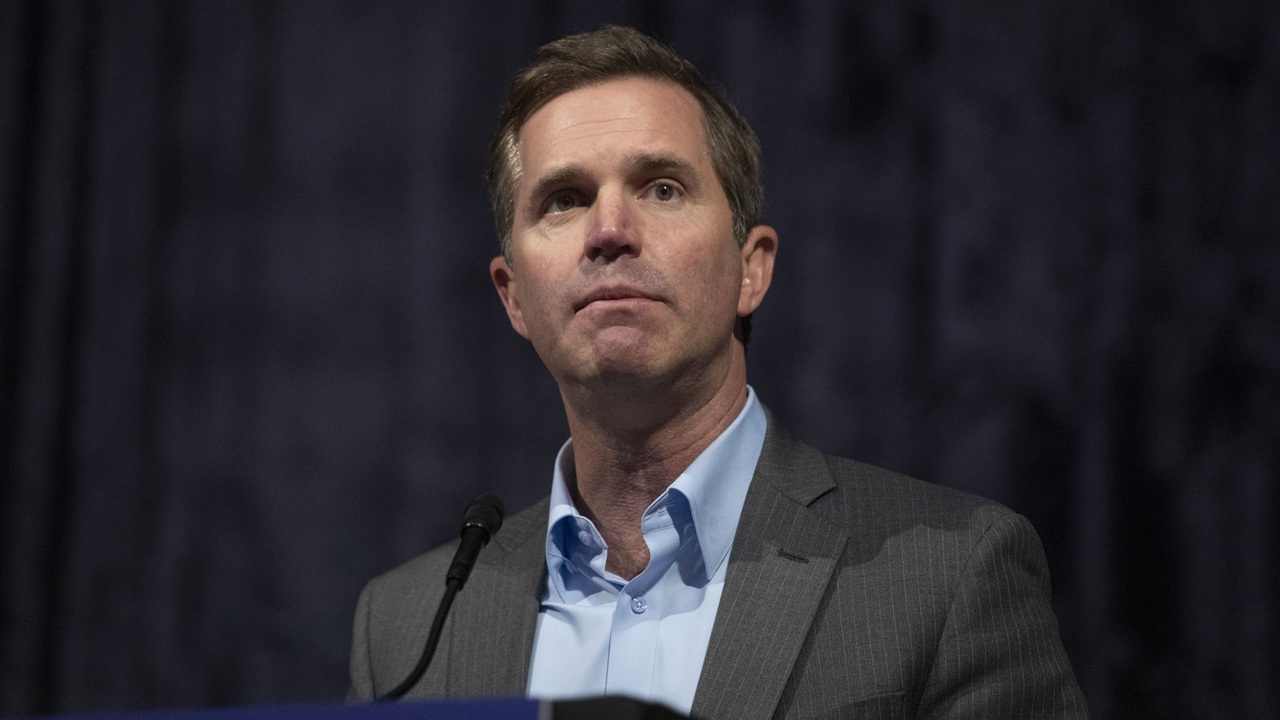
Kentucky State Auditor Allison Ball’s recent report on Jefferson County Public Schools (JCPS) should alarm every taxpayer and parent in the state. Not only because of the report’s contents, but also because JCPS is the state’s largest school district, serving one in seven students in Kentucky.
Freedom Is Back
In Style
Premium domains for sale
The audit not only highlights the dire financial situation the district has put itself in but also shows weak oversight, academic decline, and a culture in which staff said they feared retaliation.
In 2024, lawmakers passed House Bill 6, which mandated the audit of JCPS. The audit wasn’t limited to reviewing financial statements from July 2022 through June 2025; it also covered district operations. Auditors interviewed staff and families, reviewed board meetings, conducted school visits, and benchmarked JCPS against peer districts. What they found was sobering.
The district is spending more than it is receiving.
Every JCPS working budget from 2022 to 2026 shows expenses exceeding revenues, resulting in a $295 million budget deficit in fiscal year 2025. According to state law, districts must maintain a 2% balance of their total budget, but JCPS is projected to fall into a negative balance by fiscal year 2028 unless major cuts are made.
Despite an influx of $500 million of COVID-19 federal relief funds, JCPS began running a deficit in fiscal year 2022, with some district finance leaders reporting that the “dollar value of contracts for some existing investments ballooned after the infusion of COVID-19 funds, six-figure contracts turned into multi-million dollar contracts.”
Auditors also found that the district lacks adequate processes for contract administration, performance oversight, budget responsibilities, and decision-making authority. Meanwhile, JCPS saw a 62% inflation-adjusted increase in per-student revenue from 2002 to 2022, while teacher salaries only increased by 12% over the same period.
Academic results are no better. The audit highlights that the district has experienced a sharper and more sustained decline in the National Assessment of Educational Progress (NAEP) since the COVID-19 pandemic than many of its peer districts have. The state test shows a similar reality.
The 2024-25 Kentucky Summative Assessment (KSA), the primary statewide assessment for K-12 students, revealed that significant achievement gaps persisted across multiple student subgroups. Third-grade African American students scored 14 percentage points below the district’s average and 27 points below the state average in reading.
Two-thirds of all JCPS schools received the bottom two performance-level ratings of “low” and “lowest” in the 2024-25 school year, indicating that the schools are falling short of state expectations and struggling to meet academic benchmarks.
JCPS’s DEI division, titled Diversity, Equity, and Poverty (DEP), was recently renamed the Opportunity and Access Division. The audit notes that the DEP was originally established to facilitate desegregation; however, it has expanded “its mission beyond compliance to focus on equity.”
DEP maintains six racial equity tools for individual schools. The audit revealed that the district doesn’t maintain data on how these tools and resources are used. The auditors also criticize the vagueness of the district’s recent Racial Equity Plan, noting activities such as providing students of color with “self-affirming opportunities.”
Given the significant achievement gaps among many student subgroups at JCPS, the auditors correctly note that the district would greatly benefit from broadening its goals to address the needs of all groups with persistent gaps. Interestingly, among the 2025 purchase order expenses in the audit was a $5,500 expense for “DRAG Pride.”
Leadership and campus culture are also a problem. Staff members described a culture of fear and retaliation under former Superintendent Marty Pollio’s leadership, including concerns that they could lose their jobs if they complained.
The current superintendent confirmed that he was aware of this culture. The outside consulting company that partnered with the auditor’s office said the concerns expressed by JCPS staff were higher than usual, based on its experience with other districts.
It’s not uncommon for large districts to face challenges. However, families shouldn’t be forced to wait while adults argue over the changes that need to be made. That is why this audit should be a wake-up call for Kentucky policymakers. They should revisit education choice and consider adopting a universal education savings account program.
However, the battle will not be without its legal and political challenges. But nearby states have moved ahead. Ohio, Tennessee, Indiana, and West Virginia all boast strong education choice programs, with West Virginia having one of the nation’s best universal education savings account programs.
This JCPS audit makes a compelling case: Kentucky families, especially those living in Jefferson County, deserve more than promises of improvement. They need more options. Policymakers should empower parents with education freedom.
More from this network:
Domains for Sale · GOTPeople.org · TheDSAPlatform · The Truth About Socialism
What's Your Reaction?
 Like
0
Like
0
 Dislike
0
Dislike
0
 Love
0
Love
0
 Funny
0
Funny
0
 Wow
0
Wow
0
 Sad
0
Sad
0
 Angry
0
Angry
0

I am just an average American. My teen years were in the late 70s and I participated in all that that decade offered. Started working young, too young. Then I joined the Army before I graduated High School. I spent 25 years in, mostly in Infantry units. Since then I've worked in information technology positions all at small family owned companies. At this rate I'll never be a tech millionaire. When I was young I rode horses as much as I could. I do believe I should have been a cowboy. I'm getting in the saddle again by taking riding lessons and see where it goes.
Premium domains for sale















Comments (0)