

Quadriplegic Patient Defies Expectations After Scientists Turn Off Neural Implant
Premium domains for sale
Freedom Is Back In Style
In a stunning development for bioelectronic medicine, scientists have revealed that a quadriplegic man has sustained significant physical improvements months after his brain-computer implant system was completely deactivated.
Freedom Is Back
In Style
Premium domains for sale
This unexpected discovery suggests that the human nervous system can fundamentally restructure and heal itself when driven by advanced technology.
Keith Thomas, 48, was left paralyzed from the chest down following a severe diving accident in 2020, the New Scientist reported. Without sensation and control over his limbs, he faced a future of total dependence. However, a groundbreaking 2023 clinical trial at the Feinstein Institutes for Medical Research altered his future. During a 15-hour surgery, medical pioneers implemented a “double neural bypass,” placing five microelectrode arrays into the motor and sensory regions of Thomas’s brain.
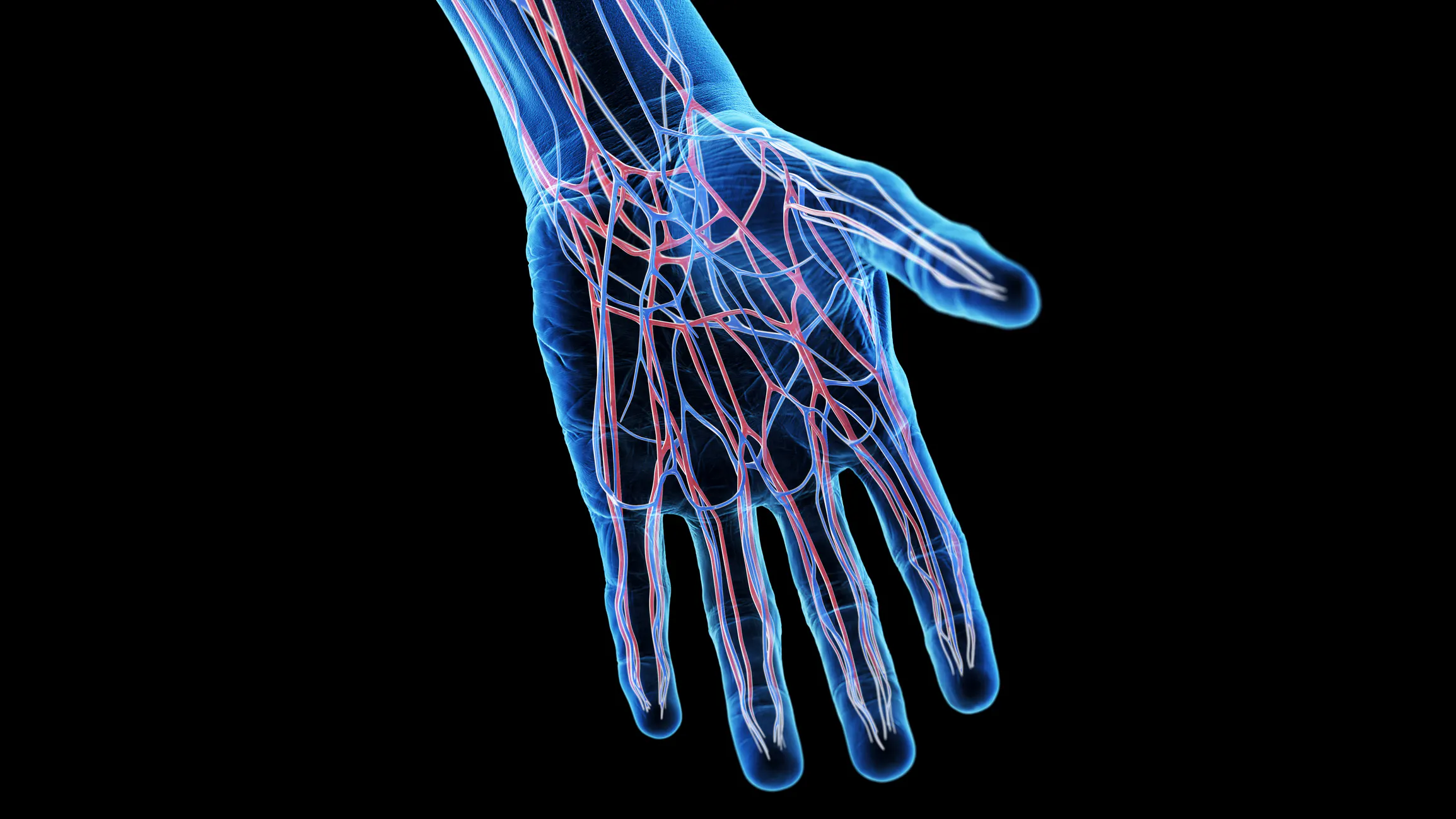
The cutting-edge system operates with artificial intelligence, which decodes Thomas’s thoughts of movement and relays those intentions into electronic forearm splints to trigger muscle contractions. Simultaneously, 3D-printed hand devices with force sensors gather tactile feedback, sending electrical pulses back to the brain to recreate the perception of touch. This allowed Thomas to perform delicate actions independently, such as drinking from a cup, scratching his face, and holding fragile objects.
The true breakthrough occurred by complete accident. Hoping to evaluate the long-term impacts of the treatment, the research team originally intended to pause the system for four weeks. But an unexpected building fire extended this blackout period to three months.
To the astonishment of the scientists, Thomas did not regress. Instead, his body retained its newfound strength and tactile awareness even while entirely disconnected from the computer. He demonstrated enhanced movement, moving individual fingers with increased precision, and reported feeling a distinct tingling sensation in his wrist in response to physical pressure.
“I can now scratch my face, wipe my eyes independently. The technology has given me back both connection and sense of self,” Thomas said.
Experts believe this lingering recovery is a direct result of neuroplasticity, the brain’s capacity to forge entirely new pathways to circumvent damaged areas. By reinforcing surviving neural networks, the device appears to have triggered a permanent remodeling of Thomas’s nervous system.
While some in the scientific community are celebrating this milestone as a massive leap forward for neuroprosthetics, independent experts caution that the results stem from a single participant. Because individual responses to spinal cord injuries vary drastically, expanding clinical trials to a larger pool of patients will be necessary to prove whether this neural rewiring can be replicated.
For Thomas and the architects of the double neural bypass, the horizon looks incredibly bright. The nature of his recovery opens up unprecedented possibilities for millions of individuals living with severe paralysis.
More from this network:
Domains for Sale · GOTPeople.org · TheDSAPlatform · The Truth About Socialism
What's Your Reaction?
 Like
0
Like
0
 Dislike
0
Dislike
0
 Love
0
Love
0
 Funny
0
Funny
0
 Wow
0
Wow
0
 Sad
0
Sad
0
 Angry
0
Angry
0

I am just an average American. My teen years were in the late 70s and I participated in all that that decade offered. Started working young, too young. Then I joined the Army before I graduated High School. I spent 25 years in, mostly in Infantry units. Since then I've worked in information technology positions all at small family owned companies. At this rate I'll never be a tech millionaire. When I was young I rode horses as much as I could. I do believe I should have been a cowboy. I'm getting in the saddle again by taking riding lessons and see where it goes.
Premium domains for sale





















Comments (0)