

Reps. Clyde and Boebert: No Warrants, No FISA
Premium domains for sale
Freedom Is Back In Style
When there’s a real chance of protecting Americans’ privacy, the Deep State always runs the same playbook. Slow walk votes on reforms. Allow the clock to run out. Highlight a potential national security scare. And reiterate the status quo while calling it reform.
Freedom Is Back
In Style
Premium domains for sale
That’s why we must deliver real reforms before the Foreign Intelligence Surveillance Act (FISA) expires on June 12.
Our demand is not complicated. It is merely for a fair vote on something that a uniquely bipartisan coalition and 76% of Americans want, and that came within a single vote of passing just two years ago.
Under Section 702 of FISA, the government warrantlessly vacuums up hundreds of millions of international communications every year. The problem is that the CIA, FBI, and NSA then specifically search through that information looking for Americans’ communications. This backdoor search inverts the “foreign” part of FISA.
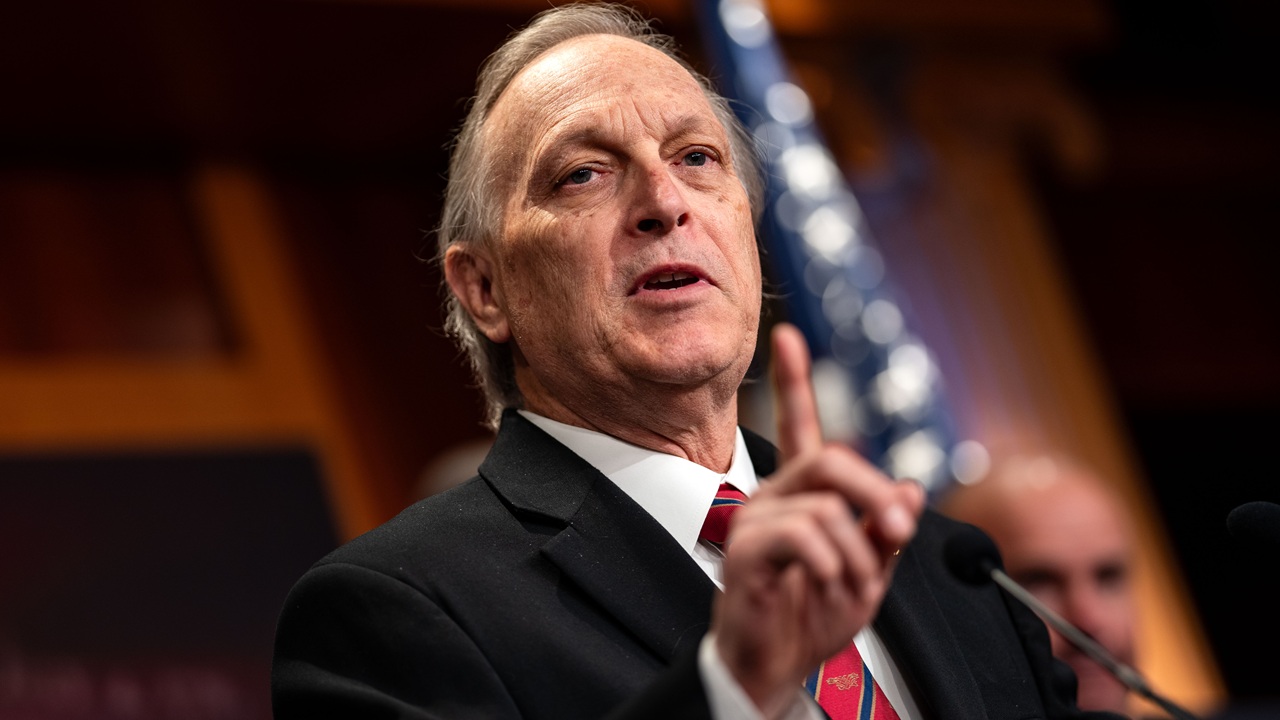
House conservatives have come to the table on this intensely important issue many times. Rep. Andy Biggs, R-Ariz., has introduced a marquee privacy bill that would enact a slate of overwhelmingly popular privacy protections—the Protect Liberty and End Warrantless Surveillance Act.
It would do nothing to stop the government from looking at foreigners. And rather than repealing Section 702, it would extend it for longer than the administration has asked for. It would simply establish independent judicial review before the government can initiate searches using your name, email address, or phone number, like the Fourth Amendment requires.
This is not what the current FISA bill does. The language doesn’t require independent review whatsoever. Simply put, it will stop exactly zero of the long-documented abuses of FISA generally or Section 702 specifically.
And yes, despite Congress’s best attempts at tweaking the edges over the years, we still have overwhelming and unceasing evidence of misuse. This includes “a U.S. senator, journalists and political commentators, 6,800 Social Security numbers, 19,000 donors to a congressional campaign and an FBI employee’s family member, who the employee’s mother suspected of having an extramarital affair.” The FBI even used Section 702—the “foreign intelligence” surveillance tool—against January 6 defendants.
Current law doesn’t even pretend to reach the disturbing NSA queries of this incredibly sensitive surveillance data for information about potential tenants and online dating matches.
We respectfully disagree with our colleagues who think we can count on the last FISA reauthorization Congress passed—RISAA. That legislation mostly codified then-current practice, the same practice that had already produced documented, widespread abuse. It also expanded FISA surveillance in alarming ways. We also disagree with those who claim there is anything new about our posture, which we have consistently maintained for many years under several presidents. It’s not our position that’s new: 60% of House Republicans voted for a warrant requirement two years ago. The votes exist. The bills exist. The only thing missing is a leadership willing to schedule them.
Since RISAA, the FBI was caught using a separate querying tool that bypassed those requirements entirely. By March 2026, the FISA court issued a classified opinion finding the violations hadn’t stopped—and that they extended to the CIA and NSA.
Gun owners need to know what is actually at stake here. Every major foreign firearms manufacturer is a potential Section 702 surveillance target: Glock in Austria; Heckler & Koch and SIG Sauer’s parent company in Germany; Beretta, Benelli, and Fabarm in Italy; IWI in Israel; CZ in the Czech Republic. Their communications with American subsidiaries, collectors, and dealers are precisely the kind of international business traffic swept up under Section 702.
But American gun owners face another threat to their civil liberties. Federal agencies are buying personal data from commercial data brokers. That’s your location history showing when and which gun store, range, and sporting goods shop you’ve ever been to. Financial records showing every ammo purchase. Your online dossier that’s marked “gun enthusiast,” assembled from browsing and buying patterns.
The Firearm Owners Protection Act of 1986 prohibits a federal gun registry. The government is building one anyway—they’re just buying it in pieces from data brokers instead of collecting it directly.
The government is now using AI tools to generate the legal justifications for initiating surveillance in the first place, and if Congress doesn’t act soon, data broker-powered FedAI will be every American’s problem. Congress has no legal framework to govern this.
We cannot support bringing a clean reauthorization to the floor—it would deny every American the chance to at least see Congress make these critical decisions that have massive impacts on our most fundamental rights.
The standard for any bill that deserves a yes vote is straightforward: a warrant before the FBI searches any American’s communications, and a ban on purchasing what would otherwise require one.
No votes on warrant requirements? Then no FISA.
We publish a variety of perspectives. Nothing written here is to be construed as representing the views of the Daily Signal.
More from this network:
Domains for Sale · GOTPeople.org · TheDSAPlatform · The Truth About Socialism
What's Your Reaction?
 Like
0
Like
0
 Dislike
0
Dislike
0
 Love
0
Love
0
 Funny
0
Funny
0
 Wow
0
Wow
0
 Sad
0
Sad
0
 Angry
0
Angry
0

I am just an average American. My teen years were in the late 70s and I participated in all that that decade offered. Started working young, too young. Then I joined the Army before I graduated High School. I spent 25 years in, mostly in Infantry units. Since then I've worked in information technology positions all at small family owned companies. At this rate I'll never be a tech millionaire. When I was young I rode horses as much as I could. I do believe I should have been a cowboy. I'm getting in the saddle again by taking riding lessons and see where it goes.
Premium domains for sale










Comments (0)