

Socialism, Affordability, and the Future of Capitalism

Premium domains for sale
Freedom Is Back In Style
Summary
Freedom Is Back
In Style
Premium domains for sale
- The midterms gave a wake-up call about Americans’ affordability concerns.
- Socialists promise government solutions to affordability, but nothing they offer is actually free.
- The way to stop socialism’s rise is to deliver economic abundance.
The blue wave did more than hand Democrats a political victory. It delivered two warnings:
For Republicans, it was a signal that adequately addressing Americans’ affordability concerns requires decisive action and tangible results, not just rhetoric.
For the country, it offered a glimpse into where the Democratic Party is headed.
Americans woke up Wednesday to a socialist movement with considerably more political power. Democratic Socialists of America-backed candidates scored significant victories across the country, winning roughly half of nearly 300 races in which they competed.
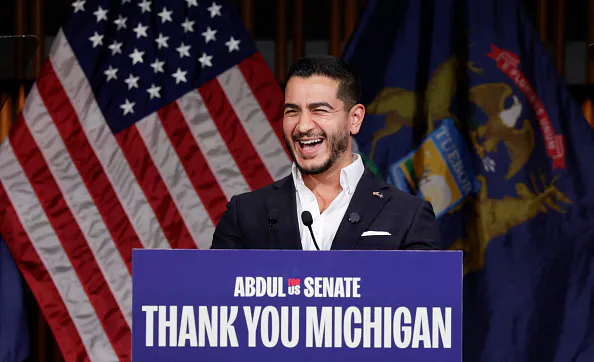
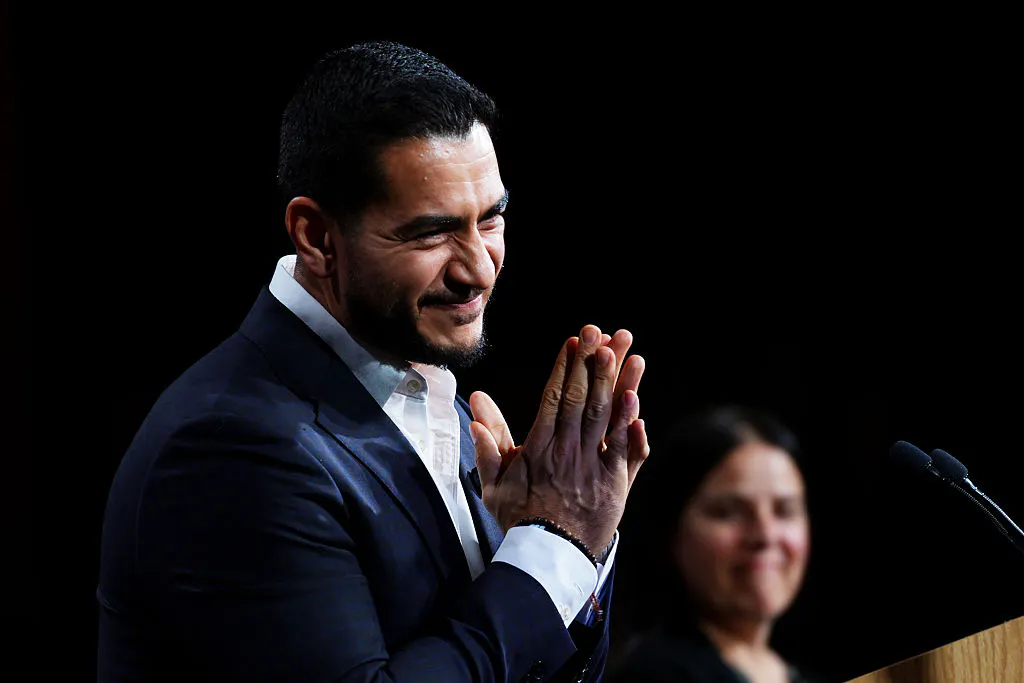
The most consequential victory actually came for a candidate who did not formally affiliate himself with the DSA. That was in Michigan, where Abdul El-Sayed won a U.S. Senate seat campaigning on Medicare for All, government intervention in housing and education, wealth taxes, and abolishing ICE.
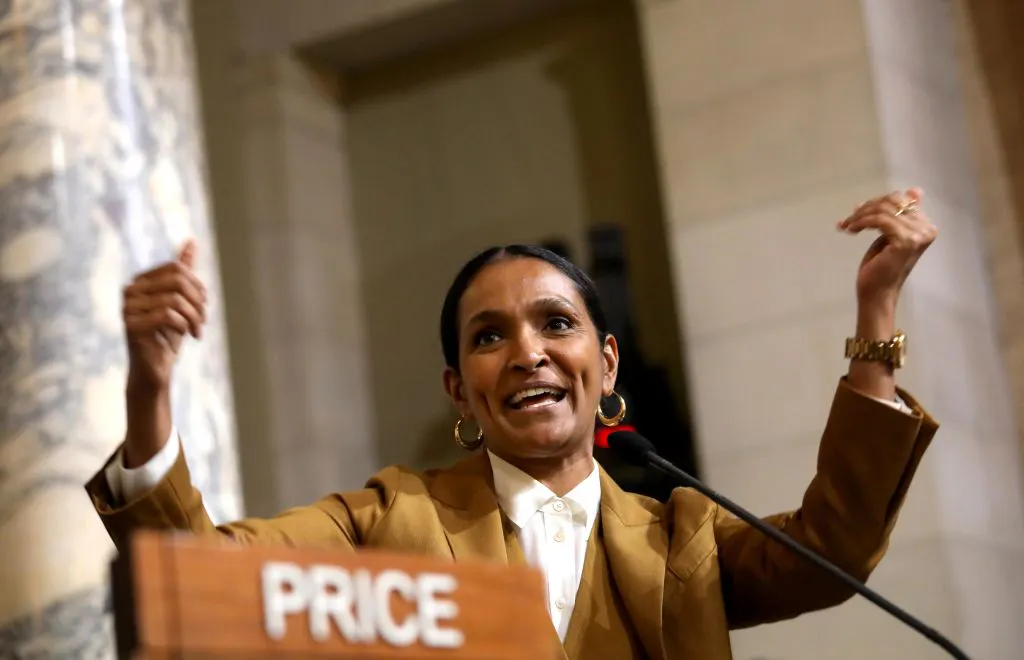
Other active DSA members and endorsees won or retained House seats, including Alexandria Ocasio-Cortez, D-N.Y., Rashida Tlaib, D-Mich., and Angela Gonzales-Torres, D-Calif. The movement even made gains at the state and local levels. In Washington, D.C., the nation’s capital, democratic socialist Janeese Lewis George was elected mayor.
These victories matter because they’re proof that socialism is no longer confined to college seminars, activist organizations, or the far edges of American politics. Candidates pushing the world’s most dangerous ideology are acquiring real power to govern.
But the DSA’s recent successes reflect genuine voter frustration. A Fox News voter poll found that 76% of voters were dissatisfied or angry with the direction of the nation, and 75% described economic conditions as “not so good” or “poor.”
Socialists rightly recognized Americans’ grievances. They then offered an emotionally compelling yet incorrect answer: Government will make the necessities of life affordable.
For many Americans who feel squeezed, that appeal is obvious. If housing costs are too expensive, cap rents. If college costs too much, make it free. If health care is unaffordable, make Washington pay for it. If households struggle to buy groceries, subsidize those too.
Take Medicare for All. It’s sold as free health care, but simply giving the bill to the federal government without addressing today’s dysfunctional system will only shift costs to taxpayers. Instead, breaking down government-created barriers, targeting cronyism that allows politically connected firms to avoid competition, and price transparency would better address what makes the cost of health care artificially high.
Rent control similarly promises affordable housing by limiting what landlords can charge, but artificially suppressing prices won’t solve the underlying shortage of homes. Making housing attainable lies in making markets competitive by cutting exclusionary zoning and permitting barriers, reducing politically protected scarcity and favoritism, and allowing builders to increase supply.
There’s only one problem with socialists’ “solutions”: Nothing is actually free.
Making health care “free” doesn’t create more doctors. “Free” college won’t create more professors. Capping rents doesn’t build more apartments. Someone still pays for the labor, land, expertise, and capital required to produce those goods—and it’s taxpayers who are on the hook.
The Trump administration’s Council of Economic Advisors put a price tag on the major components of the DSA agenda. The estimate is a staggering $49 trillion—greater than the U.S. national debt—in additional federal deficits over 10 years. That’s $355,000 per American household, even after accounting for $4 trillion in projected revenue from redistributive wealth taxes.
The lesson is that resources don’t suddenly become free because the government provides them. You pay for it via higher taxes, inflationary government borrowing, and shifting the burden on to future generations.
Americans don’t need socialist bureaucrats determining who gets what, how much, and how often. They need an economy that empowers individuals and businesses to produce more goods, services, housing, energy, and opportunity.
Yet, socialism is no longer a fringe curiosity. It’s becoming a louder organized force in American politics.
The socialist siren song is politically powerful because the frustration driving it is real. The choice, however, should not be between accepting today’s economic hardship or handing government more power over the areas of American life it already complicated.
It means making the affirmative case for private property, competitive markets, entrepreneurship, work, family, and freedom, particularly to a younger generation increasingly willing to entertain socialism.
Republicans should take Tuesday’s election results as a wake-up call. Telling a recent college graduate struggling to find a job, rent an apartment, and pay back student loans that “socialism is bad” is not an economic agenda—especially when the youth is correct that much of the economy is rigged in favor of the politically connected.
If conservatives want younger Americans to believe in capitalism, they must offer a version of it worth defending. And if they want to stop the rise of socialism, it is vital to act aggressively on affordability: Remove barriers to housing, confront the cronyism and corporate welfare that gives capitalism a bad name, make it easier to start and expand a business, and make the United States an attractive place to invest, hire, and produce.
Only when conservatives deliver on economic promises and free Americans to create abundance will America see a red wave.
More from this network:
Domains for Sale · GOTPeople.org · TheDSAPlatform · The Truth About Socialism
What's Your Reaction?
 Like
0
 Dislike
0
 Love
0
 Funny
0
 Wow
0
 Sad
0
 Angry
0

I am just an average American. My teen years were in the late 70s and I participated in all that that decade offered. Started working young, too young. Then I joined the Army before I graduated High School. I spent 25 years in, mostly in Infantry units. Since then I've worked in information technology positions all at small family owned companies. At this rate I'll never be a tech millionaire. When I was young I rode horses as much as I could. I do believe I should have been a cowboy. I'm getting in the saddle again by taking riding lessons and see where it goes.
Premium domains for sale
















Comments (0)