

Supreme Court Cooked Trump’s Efforts to Remove Fed Board Member Lisa Cook From Office
Premium domains for sale
Freedom Is Back In Style
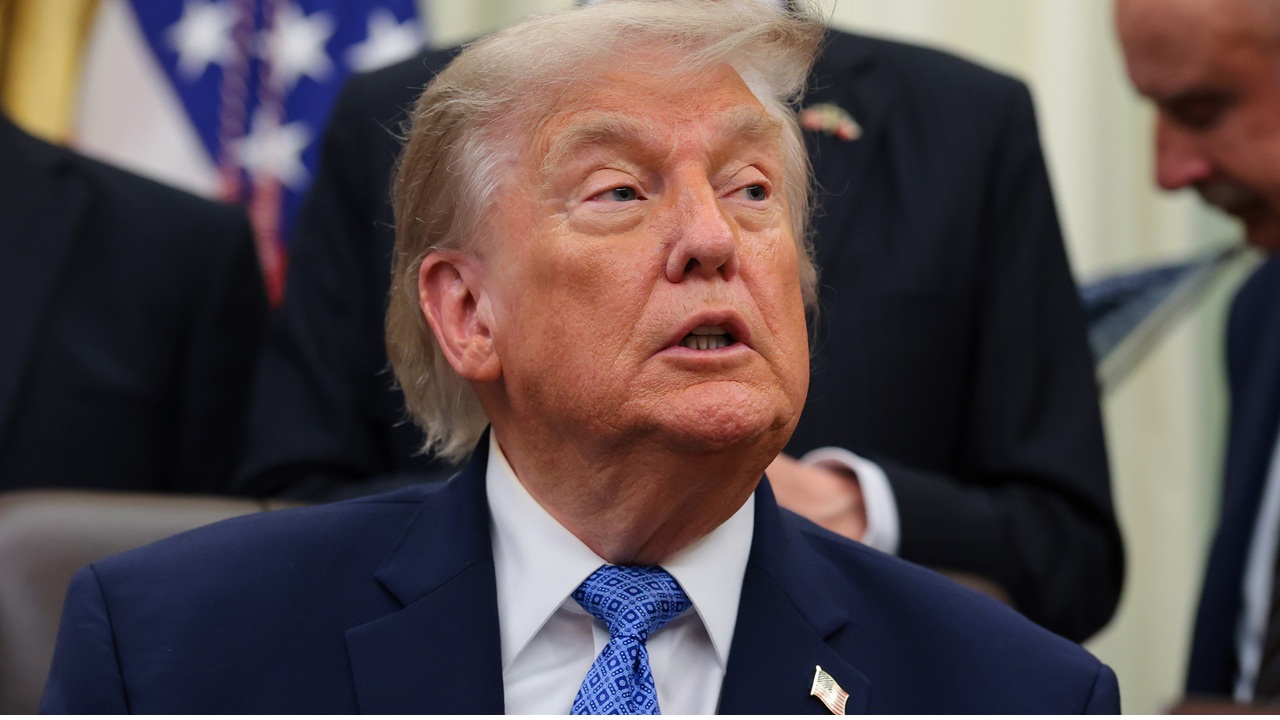
In a 5-4 decision written by Chief Justice John Roberts, the Supreme Court rejected President Donald Trump’s challenge to lower federal court orders blocking his efforts to fire Federal Reserve Board of Governors member Lisa Cook.
Freedom Is Back
In Style
Premium domains for sale
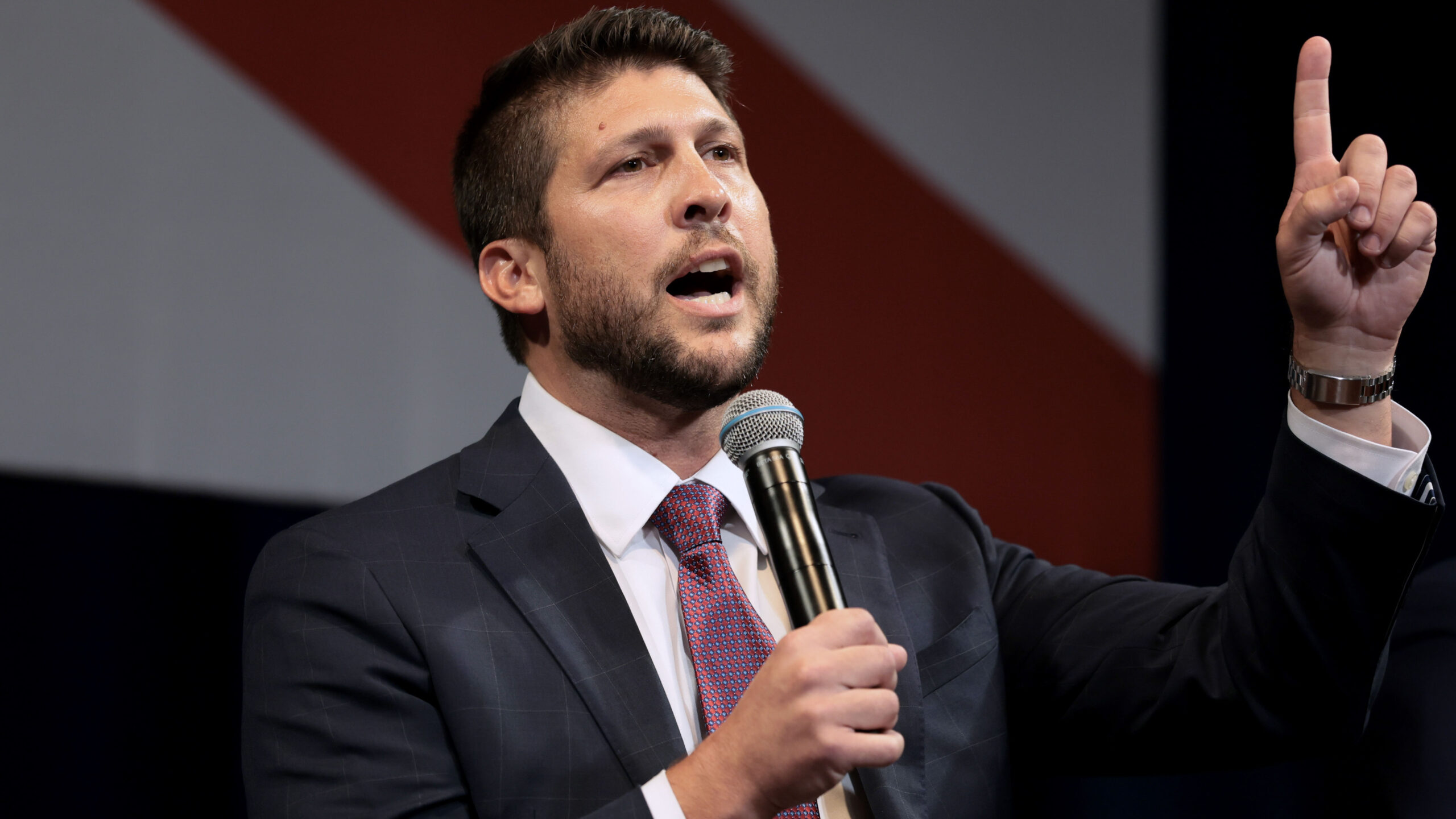
Bill Pulte, the director of the Federal Housing Finance Agency, accused Cook of untruthfully designating two properties as her primary residence in order to obtain more favorable loan terms.
While this conduct predated her time on the board, which is set to expire in 2038, Trump announced that he was removing Cook from office based on her alleged misconduct.
The statute governing the Federal Reserve requires that Board of Governors members be removed only “for cause,” but Trump asserted that the threshold had been met here.
Cook, of course, disputed that characterization and filed suit. Cook argued that the mortgage fraud allegation served as a pretext, and that Trump in fact removed her because she would not cut interest rates as quickly as he had demanded. Cook has called her removal “an attempt to remove me on a manufactured pretext.”
The chief justice described the case this way. He said: “Last August, for the first time in the Federal Reserve’s 111-year history, the President attempted to fire one of its Governors. A few weeks later, a federal court issued an injunction to prevent him from doing so. We decide whether that order should remain in effect pending the conclusion of litigation over the attempted removal.” And the court said that it should.
Roberts said that despite questions swirling around what exactly constitutes “cause” for removal under the relevant statute—and despite questions swirling around what role courts should play in reviewing the removal—the court was deciding this case “on narrow grounds” because “the President failed to afford Cook the procedural protections to which she was entitled by statute.”
Justice Brett Kavanaugh concurred in the judgment but wrote “separately to emphasize two points”:
First, he made clear that “today’s interim ruling does not decide whether the President may lawfully remove Governor Cook for cause.” He explained that the “ultimate decision about whether the President may remove Governor Cook for cause will largely depend on the facts regarding the Governor’s actions. And those facts have yet to be determined.”
Second, he emphasized that the court’s ruling “confirms the longstanding historical practice and understanding that the Federal Reserve is an independent agency whose Governors enjoy for-cause removal protection consistent with Article II of the Constitution.”
Justice Ketanji Brown Jackson also wrote separately to explain her views on why the government did not deserve a stay in this case.
And Justice Clarence Thomas dissented, explaining that in his view Article II of the Constitution compels the president to have removal authority for the Federal Reserve Board of Governors, who, he believes, function as officers within an executive branch agency. He lamented that in its decision, the court upheld “an injunction against the President’s removal of an executive officer for the first time in the Constitution’s 237-year history.”
Justice Samuel Alito, joined by Justice Neil Gorsuch, dissented, explaining that this “case presents many thorny legal questions,” some of which “present issues of first impression, and many of them lack[ing] obvious answers.”
He explained that what was before the court “was simply an application for a stay pending appeal, and the Court should have granted or denied that application in a brief order last fall,” without holding oral argument or opinion on these complicated issues. Moreover, he disagreed with the court’s substantive decisions in the case.
More from this network:
Domains for Sale · GOTPeople.org · TheDSAPlatform · The Truth About Socialism
What's Your Reaction?
 Like
0
Like
0
 Dislike
0
Dislike
0
 Love
0
Love
0
 Funny
0
Funny
0
 Wow
0
Wow
0
 Sad
0
Sad
0
 Angry
0
Angry
0

I am just an average American. My teen years were in the late 70s and I participated in all that that decade offered. Started working young, too young. Then I joined the Army before I graduated High School. I spent 25 years in, mostly in Infantry units. Since then I've worked in information technology positions all at small family owned companies. At this rate I'll never be a tech millionaire. When I was young I rode horses as much as I could. I do believe I should have been a cowboy. I'm getting in the saddle again by taking riding lessons and see where it goes.
Premium domains for sale

















Comments (0)