

Texas Expects Students to Know the Bible Because it Is Part of Our History
Premium domains for sale
Freedom Is Back In Style
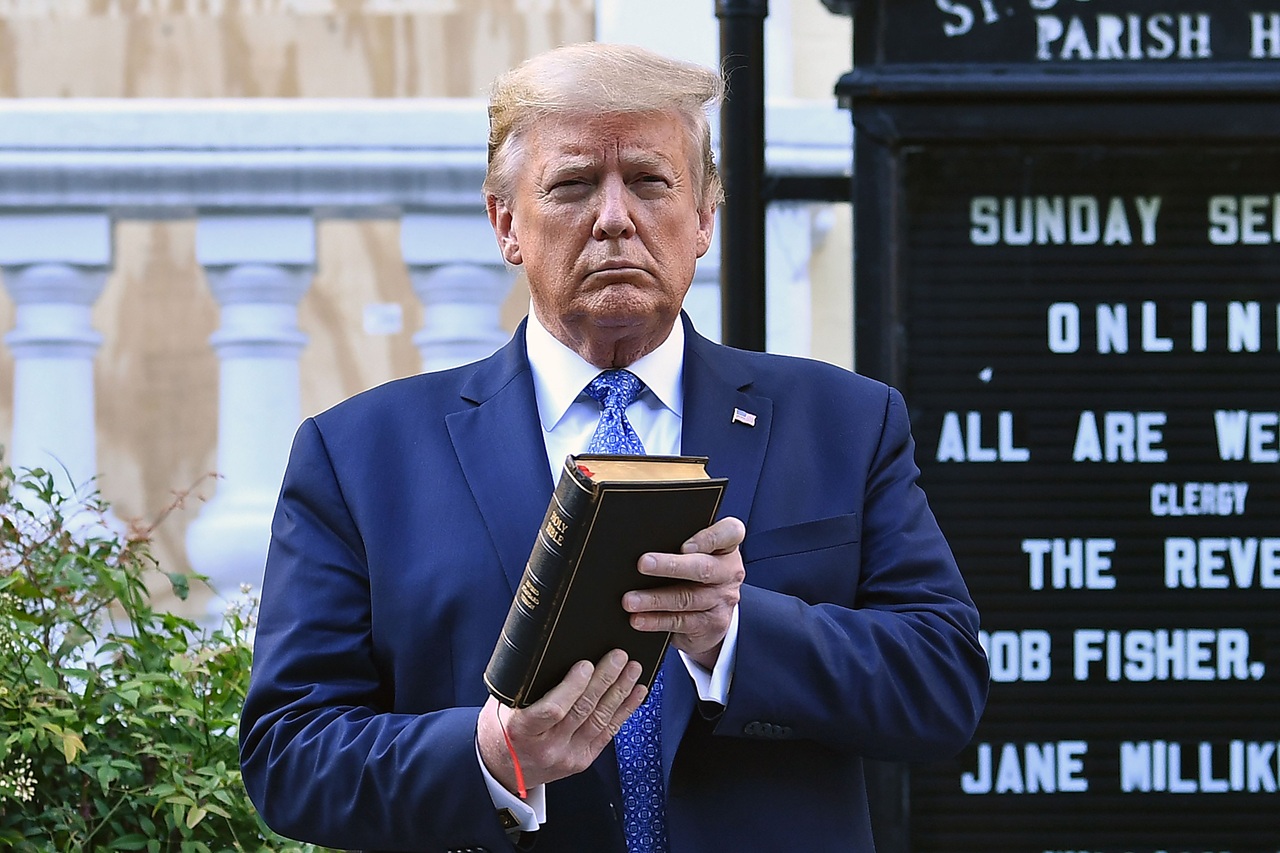
On June 26, the Texas State Board of Education (SBOE) voted on the new K-8 social studies standards. These revised standards remove critical race theory, reject disputed claims about Islam’s influence on the Alamo, restore instruction on classical Greek and Roman influences, and—most controversially—include instructing students about America’s Judeo-Christian heritage.
Freedom Is Back
In Style
Premium domains for sale
The motion passed 9-5. As you can probably guess, the vote fell along party lines. All five Democrats voted against the rewrite, nine Republicans voted in favor, and one member was absent. Finally, after four years of debate and delay, Texans have preserved history in their classrooms for the decade to come.
Public criticism began almost immediately.
Negative media coverage from outlets like BBC, CNN, Texas Monthly, and The New York Times echo the same criticism heard in Monday and Tuesday’s public testimony. Critics claim that the social studies standards are not diverse enough, and that including Biblical readings in public school curricula violates the Constitution’s Establishment Clause, turning public education into indoctrination.
“Bible lessons should be taught on Sundays,” said SBOE member Tiffany Clark in a comment to CNN. “Not all of us believe the same.”
While Clark is not alone in her concern, she’s presuming the only reason someone would ever study the Bible is a religious one. She is mistaken; we can see why by understanding what these standards are actually trying to ensure students are taught.
“These standards teach the actual story of America and Texas, “Texas House Representative Alan Schoolcraft said while testifying before the SBOE in favor of the curriculum rewrite on July 6.
Schoolcraft offered the crucial distinction clearly: Expecting students to graduate high school understanding a few important Biblical references is not “about our religion, it’s about our intellectual history. You don’t have to be a Christian to recognize that the moral vocabulary and concepts that the founders used are rooted” in our “Judeo-Christian heritage.”
Schoolcraft captures everything that has been missing from this debate. Heritage is not religion; it is a question of roots. The roots of the American order stretch across time, cities, and cultures. One of our earliest roots undeniably reaches back to Jerusalem.
Our nation’s founding documents are rich with biblical references and Christian vocabulary. Even a casual perusal of the Declaration of Independence, the Constitution, George Washington’s Farewell Address, the Northwest Ordinance of 1787, or many other American historical documents encourages no doubt about our Christian heritage.
Before even setting foot on the New World, John Winthrop and his fellow immigrants to the Massachusetts Bay Colony composed “A Model of Christian Charity.” This writing served as a primitive constitution, permitting the Protestant religion that had been oppressed by the English crown and laying out the blueprint for the Massachusetts Bay Colony. Winthrop argued that the colony’s devotion would set it apart, like a “city on a hill.”
That phrase alone—a “city on a hill”—is heard time and time again from the White House. Lyndon Johnson, Ronald Reagan, Richard Nixon, Jimmy Carter, George H. W. Bush, Bill Clinton, George W. Bush, and, yes, even Barack Obama all explained American exceptionalism with reference to the country’s status as a “city on a hill.”
But Winthrop didn’t coin the term. The phrase comes directly from Jesus’ Sermon on the Mount in the book of Matthew.
Thanks to the new social studies standards, Texans in the fifth grade will learn that their country began as a “city on a hill,” And they will understand that Winthrop’s words are a model of religious freedom. Stripping students of religious reference only leaves them bereft of knowledge.
Expecting students to understand American history while totally ignorant of the Bible is like expecting them to study Homer while removing all references to the Greek gods.
Just as Representative Schoolcraft said in his testimony, “You don’t have to be a Christian to recognize” that our country is rooted in “Judeo-Christian values.” Biblical references and Christian vocabulary belong in social studies because they are an objective part of American history.
American history cannot serve present opinion, or we risk removing anything we find uncomfortable. Far too often, our nation’s Christian roots have been “rooted out” due to fear of supposed Christian nationalism.
Christian nationalism was never on the table here. The vote on Friday was about returning our Judeo-Christian heritage to Texas textbooks. It was about preserving American history—the whole story.
And that we did.
We publish a variety of perspectives. Nothing written here is to be construed as representing the views of the Daily Signal.
More from this network:
Domains for Sale · GOTPeople.org · TheDSAPlatform · The Truth About Socialism
What's Your Reaction?
 Like
0
Like
0
 Dislike
0
Dislike
0
 Love
0
Love
0
 Funny
0
Funny
0
 Wow
0
Wow
0
 Sad
0
Sad
0
 Angry
0
Angry
0

I am just an average American. My teen years were in the late 70s and I participated in all that that decade offered. Started working young, too young. Then I joined the Army before I graduated High School. I spent 25 years in, mostly in Infantry units. Since then I've worked in information technology positions all at small family owned companies. At this rate I'll never be a tech millionaire. When I was young I rode horses as much as I could. I do believe I should have been a cowboy. I'm getting in the saddle again by taking riding lessons and see where it goes.
Premium domains for sale






















Comments (0)