

The Buzz Is Real: Baby Shark Tests Positive For Cocaine
Premium domains for sale
Freedom Is Back In Style
Sharks are getting a contact high as they swim through tropical waters, thanks in part to drug runners and careless tourists.
Freedom Is Back
In Style
Premium domains for sale
Freedom Is Back
In Style
Premium domains for sale
The buzz is real: Sharks swimming off the coast of Bermuda tested positive for cocaine, according to a new study published in the journal Environmental Pollution.
The apex predators of the sea have also ingested other substances from humans, including caffeine and over-the-counter painkillers, the study noted. It’s all believed to be part of aquatic pollution generated by people on vacation.
“Pharmaceuticals and illicit drugs are increasingly recognized as contaminants of emerging concern (CECs) in marine environments, particularly in areas undergoing rapid urbanization and tourism-driven development,” the researchers wrote in the study.
Caffeine was the most commonly found substance in the 85 specimens tested around the remote island of Eleuthera in the Bahamas. The study also detected acetaminophen and diclofenac, the active ingredients in Tylenol and Voltaren, as the next most common substances.
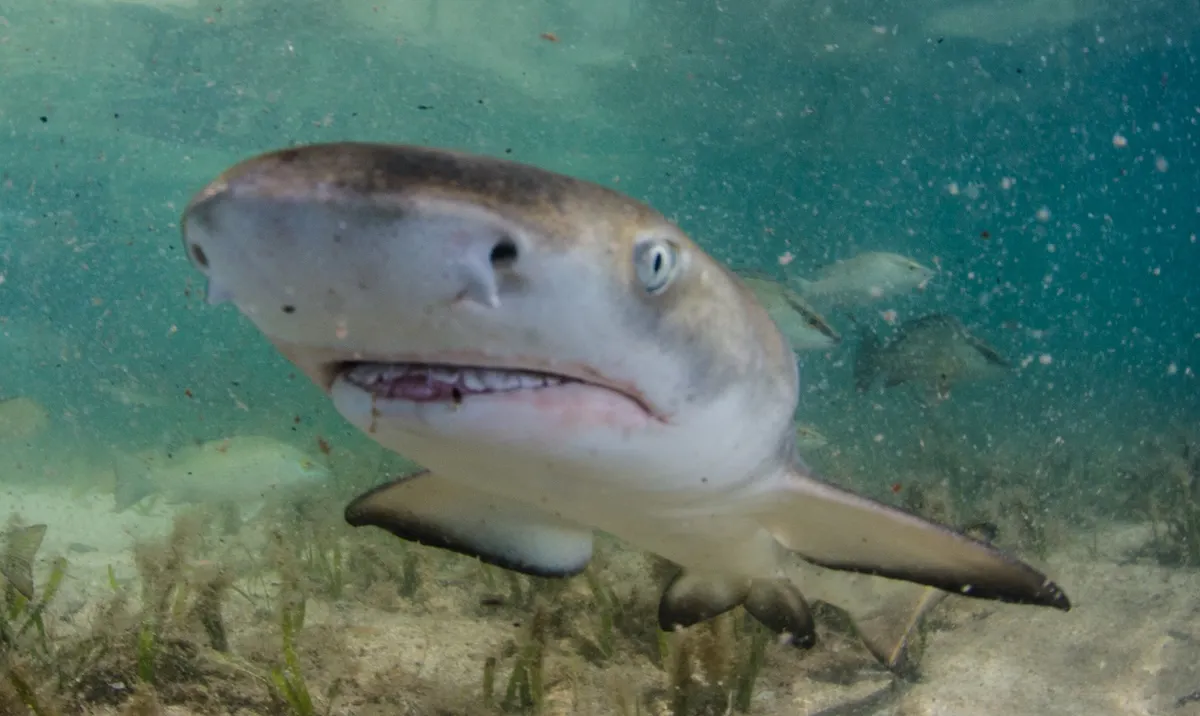
One of the sharks, a baby lemon shark in a nursery creek, tested positive for cocaine. Researchers said it was due to the animal biting down on discarded samples of the drug to determine what it was.
“They bite things to investigate and end up exposed,” study author Natascha Wosnick told Science News of the findings. “It’s mostly because people are going there, peeing in the water and dumping their sewage in the water,” she told the outlet.
Sharks from other areas have tested positive for cocaine in the past, though none have tested positive in the Bahamas until this most recent study.
The topic of cocaine crazed animals was the hook of the 2023 film “Cocaine Bear” directed by Elizabeth Banks. The film was loosely based on true events that occurred in 1985 when a 175-pound black bear died of a cocaine overdose in Georgia after consuming a duffel bag of drugs dropped by a smuggler.
Animals messing around with other toxic human substances have been making headlines lately. A viral video of a squirrel chewing on a vape device in London started making the rounds online, which led to conversations about wild critters being attracted to the fruity-smelling devices.
“In the old days, you’d see lots of discarded cigarette butts, but I don’t remember squirrels running around with them,” Craig Shuttleworth, a red squirrel expert in the U.K., told The Telegraph of the phenomenon. “It would be reasonable to assume that a vape would be more attractive than a normal tobacco product that’s not fruity.”
Unfortunately, the exposure to nicotine is harmful to squirrels and other wildlife.
More from this network:
Domains for Sale · GOTPeople.org · TheDSAPlatform · The Truth About Socialism
What's Your Reaction?
 Like
0
Like
0
 Dislike
0
Dislike
0
 Love
0
Love
0
 Funny
0
Funny
0
 Wow
0
Wow
0
 Sad
0
Sad
0
 Angry
0
Angry
0

I am just an average American. My teen years were in the late 70s and I participated in all that that decade offered. Started working young, too young. Then I joined the Army before I graduated High School. I spent 25 years in, mostly in Infantry units. Since then I've worked in information technology positions all at small family owned companies. At this rate I'll never be a tech millionaire. When I was young I rode horses as much as I could. I do believe I should have been a cowboy. I'm getting in the saddle again by taking riding lessons and see where it goes.
Premium domains for sale

























Comments (0)