

The Case For Ending SEC Corporate Meddling
Premium domains for sale
Freedom Is Back In Style
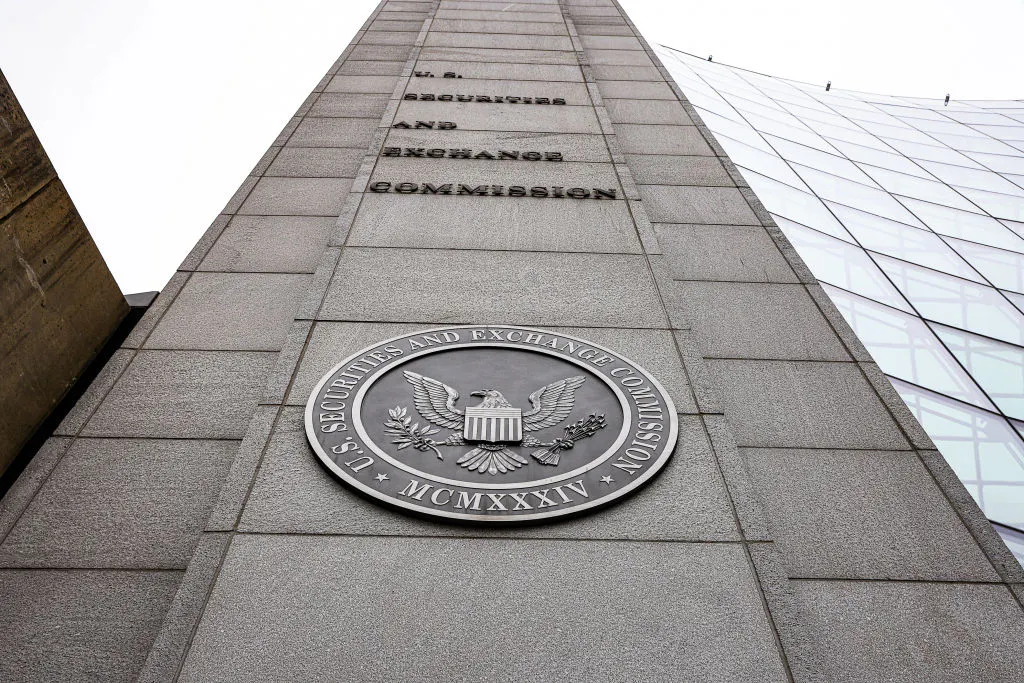
My organization files shareholder resolutions. Yet I support the recently proposed Securities and Exchange Commission (SEC) rules that will limit shareholder resolutions. The SEC’s current shareholder resolution process favors left-wing proposals that increase consumer costs, destroy shareholder value, and give undue leverage to asset managers and proxy advisors who have become political activists. Limiting or eliminating shareholder proposals benefits investors and consumers and aligns with our federal system, which gives states primary control over corporate governance.
Freedom Is Back
In Style
Premium domains for sale
Shareholder resolutions are commonly used by left-wing activists to pressure companies to implement DEI policies or make costly changes to their business to meet climate goals. The resolutions are technically requests. But proxy advisors and asset managers frequently vote against company directors if companies do not implement resolutions that receive a significant amount of support, despite their negative impact on shareholder returns and prices for consumers. This effectively makes the resolutions binding. Currently, the SEC sets the rules for shareholder resolutions. Democratic administrations rewrote these rules to permit resolutions on hot-button “significant social policy” topics like DEI and climate change.
Now the SEC has proposed removing itself from the shareholder process and allowing states or corporate bylaws to set the rules. This is a welcome reform to a process that advantages left-wing proposals and damages investors and consumers. Conservatives filed a record number of shareholder proposals this year. But anti-ESG proposals received an average of only 1.7% support, even less than prior years. Even though the Left’s average support was down dramatically from 32% in 2021, left-wing environmental and social proposals still received an average of 16%. The process as it exists today allows the Left to exert about 10 times the pressure on companies to shift Left instead of Right.
Even with many asset managers backing off their political advocacy, leading to lower overall support than in prior years, left-wing activists have been able to exert significant pressure on at least one industry each proxy season. The most recent target was homebuilders. Climate activists, with support from large asset managers and proxy advisors, obtained 46% of the shareholder vote at the homebuilder NVR to require emissions disclosures that effectively mirror the repealed Biden-era SEC disclosure rule. The goal is to force homebuilders like NVR to implement costly green-new-deal requirements into their homes. The Department of Energy recently estimated that adopting activist-driven international building codes would cost more than $14,000 per new single-family home build. These policies also reduce the housing supply. Raising costs and limiting supply harms consumers and destroys shareholder value, yet this shareholder proposal received substantial support.
Over the past two years, similar proposals targeting agriculture received majority votes at Wingstop and Jack in the Box. These proposals require restaurants to impose costly “Green New Deal” policies on their supplier-farmers that could increase farmers’ costs by 34% and increase beef prices by 70%.
In prior proxy seasons, shareholder resolutions pressured utilities to retire baseload power like coal and natural gas and shift to intermittent sources like wind and solar. The Department of Energy estimates that retirements like these, combined with increases in electricity demand, increase the odds of blackouts 100 times by 2030.
Similarly, shareholder resolutions in 2017-2018 pressured automakers to invest in electric vehicles. Those investments caused automakers to make cars consumers didn’t want, resulting in write-offs exceeding $70 billion, including nearly the entire market capitalization of Stellantis.
By contrast, the highest percentage a conservative group could muster for an anti-ESG shareholder resolution this year was 2.3%, less than last year’s average support. BP could not even win its own resolution to remove climate targets that have helped cause over $5 billion in losses. A system so biased against investors’ and consumers’ interests requires radical reform.
Returning control to states and to company bylaws aligns with our federal system. Corporate management is traditionally a matter of state law that the SEC has interfered with by permitting resolutions on political topics. States can limit or eliminate such proposals and already compete with one another on corporate governance. For example, Texas established minimum ownership thresholds for shareholder proposals and set requirements to send proposals to a minimum percentage of shareholders. This competition gives Delaware an incentive to reform its laws to avoid losing more companies to Texas.
Furthermore, removing the SEC neutralizes its clear bias in favor of left-wing proposals. Under its rules, the SEC can give companies regulatory cover to exclude proposals with a no-action letter. My organization’s research shows that from 2018-2022, in the most subjective categories, the SEC allowed companies to exclude anti-ESG proposals 50-100% more often than pro-ESG proposals on hot-button topics like DEI and climate change.
Shifting authority from the SEC to states is a win for consumers and investors. States can hardly do worse than the current SEC system, which advantages destructive left-wing proposals. Competition for corporate charters will incentivize states to set rules that make it harder to use the shareholder process to destroy shareholder value and raise prices for consumers.
***
William Hild is the executive director of Consumers’ Research.
More from this network:
Domains for Sale · GOTPeople.org · TheDSAPlatform · The Truth About Socialism
What's Your Reaction?
 Like
0
Like
0
 Dislike
0
Dislike
0
 Love
0
Love
0
 Funny
0
Funny
0
 Wow
0
Wow
0
 Sad
0
Sad
0
 Angry
0
Angry
0

I am just an average American. My teen years were in the late 70s and I participated in all that that decade offered. Started working young, too young. Then I joined the Army before I graduated High School. I spent 25 years in, mostly in Infantry units. Since then I've worked in information technology positions all at small family owned companies. At this rate I'll never be a tech millionaire. When I was young I rode horses as much as I could. I do believe I should have been a cowboy. I'm getting in the saddle again by taking riding lessons and see where it goes.
Premium domains for sale
























Comments (0)