

What Dakota Access And California Show About Energy Infrastructure Ten Years Later
Premium domains for sale
Freedom Is Back In Style
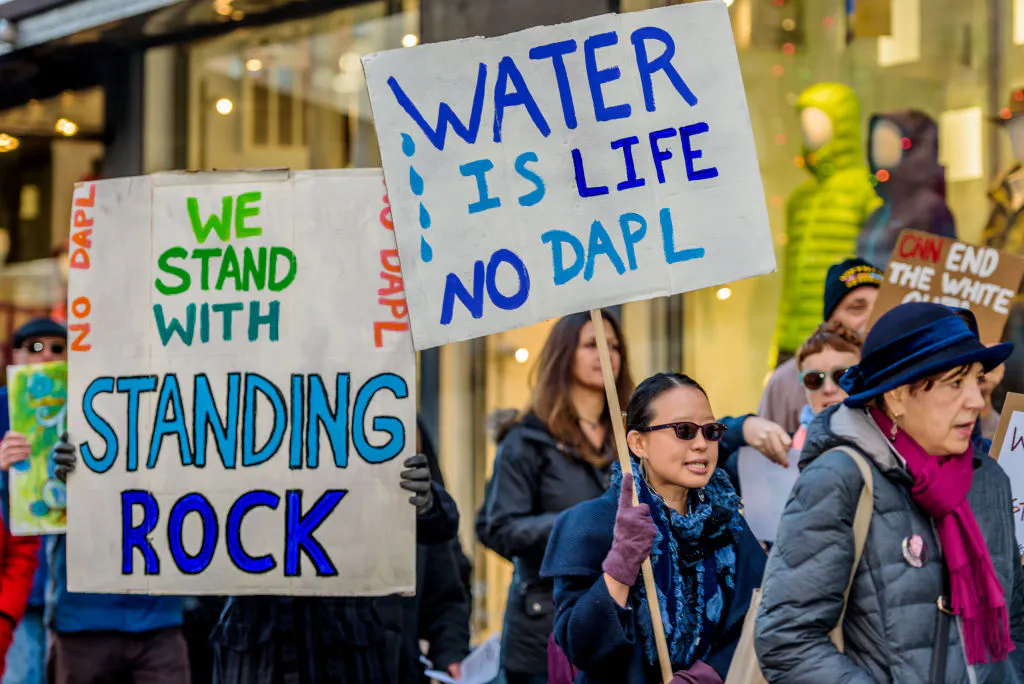
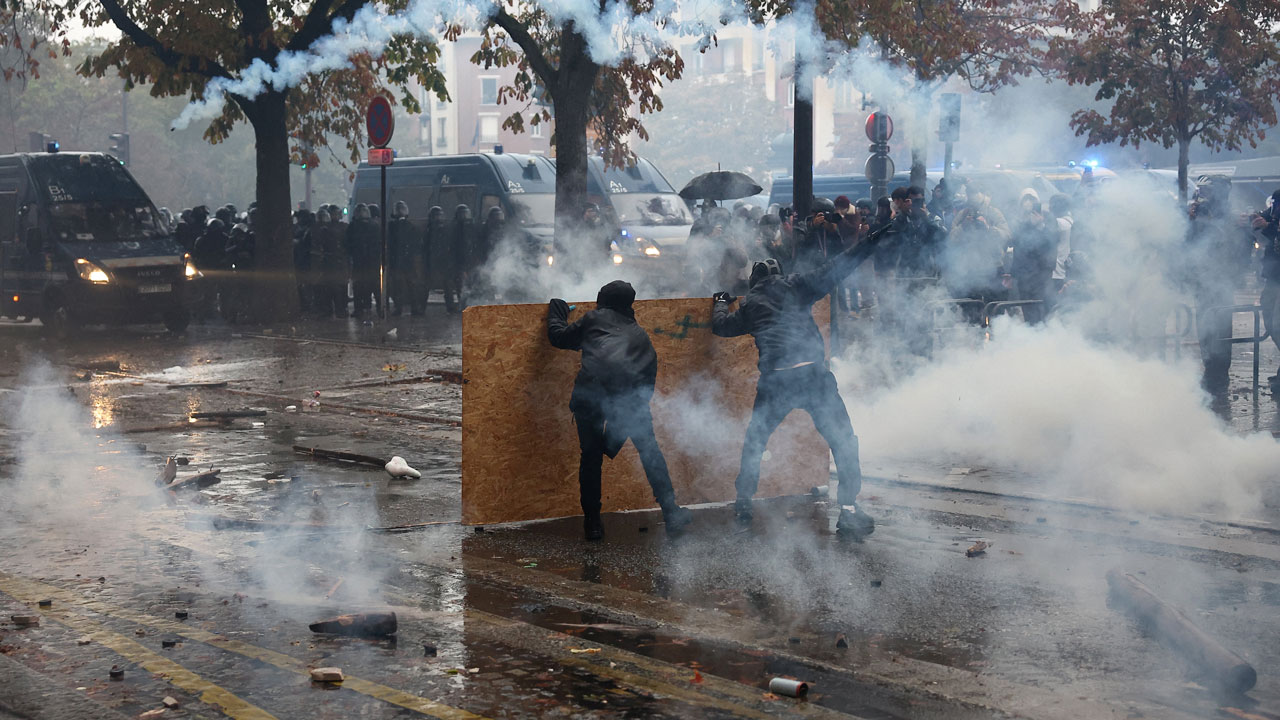
Ten years ago this fall, thousands of protesters camped along the Missouri River in North Dakota to stop the Dakota Access Pipeline. The Standing Rock demonstrations drew national headlines, celebrity visits, and, at times, violence. Activists promised the fight would shut the pipeline down.
Freedom Is Back
In Style
Premium domains for sale
One of the activists who traveled to Standing Rock was Alexandria Ocasio-Cortez, who later said the experience helped inspire her decision to run for Congress. Today, she is leaving the door open to a presidential campaign in 2028. As voters consider the direction of American energy policy this fall, Standing Rock offers something increasingly rare in politics: a decade of evidence against which to measure the predictions the alarmists made.
Major infrastructure projects deserve rigorous review, enforceable safety conditions, and public accountability. The activists at Standing Rock wanted something different. Their goal was to let political opposition override the process and kill the project outright.
The process held, and the results speak for themselves. Energy Transfer lists the Bakken Pipeline system, which includes Dakota Access, as having capacity of up to 750,000 barrels of oil a day, moving crude from North Dakota to Illinois and onward to Midwest and Gulf Coast markets. That is a substantial volume of American oil moving through domestic infrastructure to refineries and consumers.
On May 21, the U.S. Army Corps of Engineers signed its Record of Decision granting an easement with additional conditions for the pipeline crossing beneath Lake Oahe. The decision followed a final environmental impact statement and allowed the existing pipeline to continue operating under the federal easement. The episode illustrates how infrastructure review can impose conditions while still allowing an approved project to operate.
Standing Rock centered on an effort to stop infrastructure from operating. California presents a different question: what happens when existing refining capacity disappears?
Phillips 66 ceased refining operations at its Wilmington refinery in Los Angeles in October 2025, and Valero ceased refining operations at its Benicia refinery in 2026. Together, the two facilities represented 17% of California refining capacity. The U.S. Energy Information Administration (EIA) warned that the closures were likely to increase fuel-price volatility across the West Coast.
The deeper problem is geography. California has limited logistical connections to the nation’s major refining hubs on the Gulf Coast. EIA has said the supply shortfall cannot be easily filled by refineries elsewhere in the country and identified imports from Asia as the most likely source of replacement fuels, particularly gasoline and jet fuel.
Imports take longer to arrive. They depend on shipping lanes, foreign refiners, and global markets that Sacramento cannot control. A refinery outage in Asia, a conflict along a shipping route, or a sudden jump in global demand can reach California drivers within weeks. EIA has warned that unexpected shortfalls on the West Coast could bring temporary price spikes and greater volatility for a state whose drivers already pay some of the highest gas prices in the nation.
The broader policy question is how governments account for future energy demand before existing capacity disappears or new infrastructure becomes urgent.
California illustrates the trade-offs. When domestic refining capacity declines while fuel demand remains, replacement supply must come from other refineries or imports. In a region with limited pipeline connections to major U.S. refining hubs, that can increase reliance on more distant supply sources.
Timing matters too. Pipelines, refineries, transmission lines, and power plants take years to plan, permit, finance, and build. Once capacity runs short or global markets are disrupted, it is too late to start. Consumers are left with fewer choices and higher prices. Sound energy policy anticipates future demand and gives investors enough certainty to build before new capacity becomes urgent.
For policymakers, the challenge is to create a stable and predictable framework for pipelines, refineries, electric infrastructure, and other major projects while maintaining rigorous safety and environmental review. The Standing Rock and California cases show how permitting, infrastructure investment, regional connectivity, and long-term demand can interact.
Ten years after Standing Rock, the comparison is worth examining. As voters consider the direction of American energy policy this fall, they should consider how today’s infrastructure decisions will shape the energy choices available years from now. Dakota Access is now an operating piece of infrastructure with capacity to move up to 750,000 barrels per day through the Bakken Pipeline system. California, meanwhile, has lost significant refining capacity in a region with limited connections to other U.S. refining hubs. Together, the cases underscore a basic reality of energy infrastructure: decisions made years in advance shape the options available when demand, markets, or geopolitical conditions change.
***
Jason Isaac is founder and CEO of American Energy Institute and a former Texas state representative.
More from this network:
Domains for Sale · GOTPeople.org · TheDSAPlatform · The Truth About Socialism
What's Your Reaction?
 Like
0
Like
0
 Dislike
0
Dislike
0
 Love
0
Love
0
 Funny
0
Funny
0
 Wow
0
Wow
0
 Sad
0
Sad
0
 Angry
0
Angry
0

I am just an average American. My teen years were in the late 70s and I participated in all that that decade offered. Started working young, too young. Then I joined the Army before I graduated High School. I spent 25 years in, mostly in Infantry units. Since then I've worked in information technology positions all at small family owned companies. At this rate I'll never be a tech millionaire. When I was young I rode horses as much as I could. I do believe I should have been a cowboy. I'm getting in the saddle again by taking riding lessons and see where it goes.
Premium domains for sale















Comments (0)