

The Issue Determining The Future Of The Republican Party And Why Trump Is The Key
Premium domains for sale
Freedom Is Back In Style
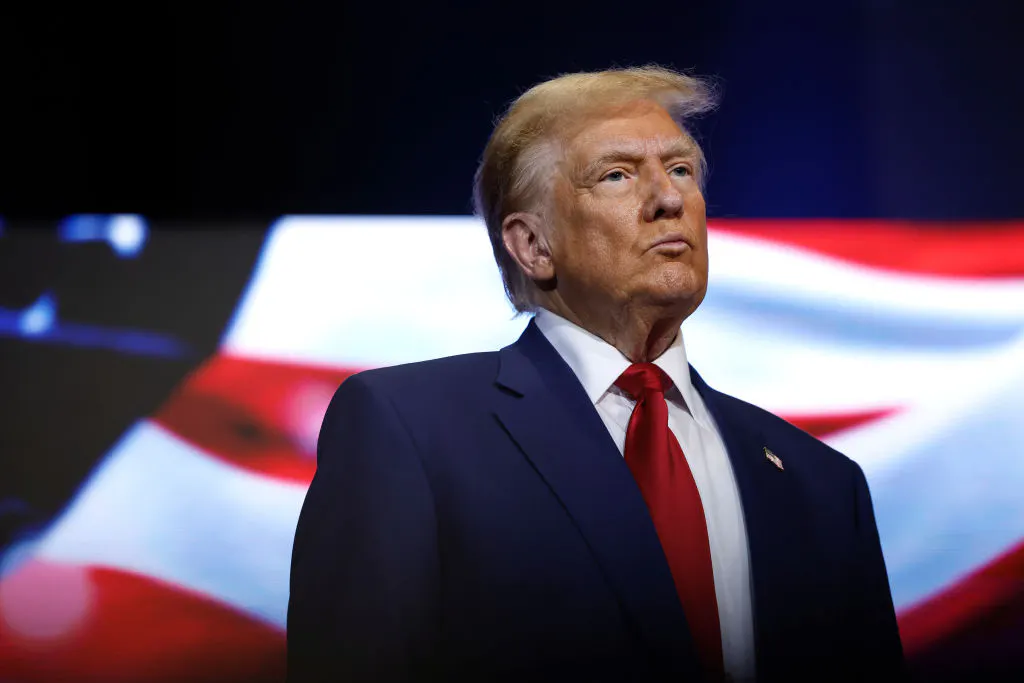
There is no greater disagreement within the Republican Party today than over what American foreign policy should be. Hawks want the United States to keep confronting its adversaries by force; restrainers want it out of the business of wars that do not end. President Donald Trump has been the glue holding together partisans on both sides of that debate into a single coalition. Now the rifts that he papered over are starting to show, and they will fully open when he eventually leaves the stage.
Freedom Is Back
In Style
Premium domains for sale
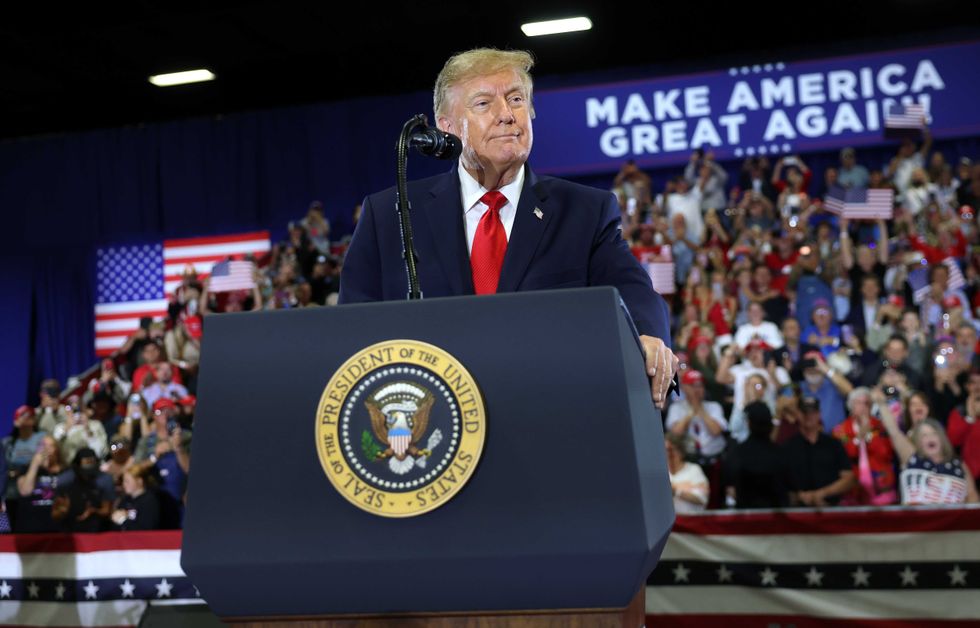
Trump ran in 2016 against “stupid wars” in the Middle East. Then he bombed Iran. Restrainers heard a promise to avoid open‑ended conflicts; hawks saw a president willing to use conventional force against a longstanding adversary. Both camps look at the same record and see an ally. Trump holds them together because a decade of getting big things right (the border) has earned him the benefit of the doubt. But that credibility is personal, not ideological, and the coalition of restrainers and hawks lasts only as long as Trump holds them together.
This is generational, and the fault line is most visible in how Republicans of different ages see Israel. Among Republican men under 45, Israel and Saudi Arabia draw almost identical favorability, 34% and 33%, respectively. For anyone raised on the Reagan-era foreign policy consensus, that’s a different planet. That consensus held the party together for 40 years, but it no longer exists among the voters who will define the future.
The public did not turn against the war in Iran on principle. Support came with the expectation that it would be wrapped up fast. But while the American military has performed brilliantly to degrade Iran’s military capabilities, the regime’s will to fight has not been exhausted. The collapse of the latest ceasefire this week made that plain. For any president, expectations about timing are baked in, and the American people’s tolerance for protracted engagements is almost nonexistent.
In April, our national survey found that support for the Iran strikes tracked with how long people thought the war would last. Voters who expected it to end within three months backed the strikes by 57 points, while voters who expected it to drag past nine months opposed the strikes by 44 points. The largest single group, 27%, already expected it to run more than a year. Among Republicans, that group was even larger. As the conflict continues, it keeps running past the implied deadline voters set for it.
In our June survey, 74% of American likely voters said they want Trump to finalize a deal to end the war with Iran. That is one of the only positions right now that pulls Republicans and the persuadable middle in the same direction. The public wants force used swiftly and concluded on schedule. Republican restrainers have been arguing exactly that, and the broader electorate is with them. Each new round of strikes, ceasefires, or talks is being judged against that same expectation.
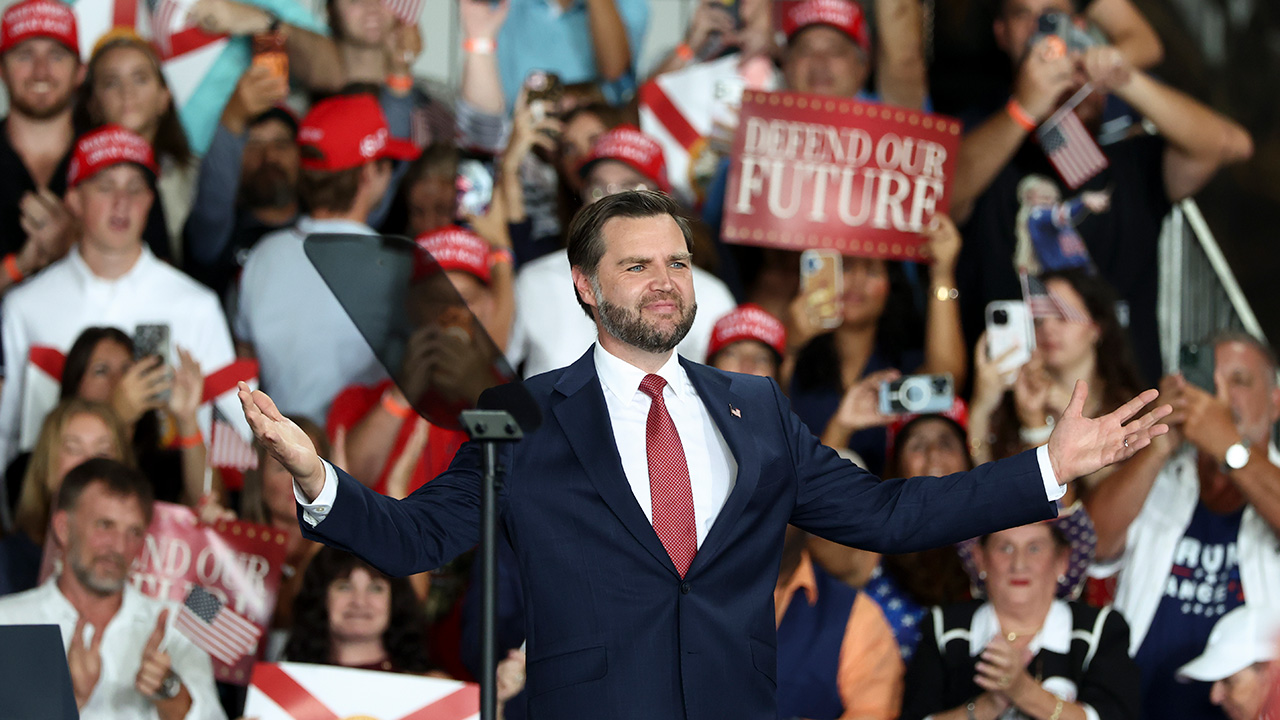
Which brings us to JD Vance. Trump sent the vice president to carry the peace, then joked on camera that if it worked, he’d take the credit, and if it failed, he’d blame Vance. The easy reading is that Vance got handed a poisoned chalice — the kind of impossible assignment presidents often give their number twos to keep their own hands clean. Joe Biden did something similar to Kamala Harris on the border, assigning her the problem and giving her none of the power to solve it.
Vance is in a different position. Rather than giving him a purely thankless job, Trump let him take the lead on advancing the argument he had articulated since he was in the Senate. So far, peace has eluded him. The ceasefire broke down this week, and the war keeps burning through every attempt to end it. Restrainers never trusted this war to stop on its own, and every collapsed truce vindicates their position. That puts Vance on the same side as the 74% of voters who want this conflict to end, and at the center of the fight the party is about to have with itself.
Far from a setup, this may be the clearest vantage point any 2028 contender has into where Republican foreign policy is headed.
No Republican has yet built a foreign policy that survives the absence of a singular figure who can simply tell both tribes in his camp to trust him. Trump has been that figure, but his credibility has never been transferable.
This new fight is coming to the GOP, whether the party wants it or not. The public wants American power used decisively, kept limited, and brought to a clear end on time. Iran is the latest in a series of Middle East antagonists that have dragged America back to the region for decades. And how the war ends will define the shape of the post‑Trump Republican Party.
***
Alex Tarascio is a Pollster and Principal at Cygnal.
More from this network:
Domains for Sale · GOTPeople.org · TheDSAPlatform · The Truth About Socialism
What's Your Reaction?
 Like
0
Like
0
 Dislike
0
Dislike
0
 Love
0
Love
0
 Funny
0
Funny
0
 Wow
0
Wow
0
 Sad
0
Sad
0
 Angry
0
Angry
0

I am just an average American. My teen years were in the late 70s and I participated in all that that decade offered. Started working young, too young. Then I joined the Army before I graduated High School. I spent 25 years in, mostly in Infantry units. Since then I've worked in information technology positions all at small family owned companies. At this rate I'll never be a tech millionaire. When I was young I rode horses as much as I could. I do believe I should have been a cowboy. I'm getting in the saddle again by taking riding lessons and see where it goes.
Premium domains for sale








Comments (0)