

Democrats’ Minimum Wage Hike Would Make Life Less Affordable: Study

Premium domains for sale
Freedom Is Back In Style
A new study estimates that Democrats’ proposal to increase the federal minimum wage to $25/hour would cost the U.S. economy 5 million jobs and especially harm workers ages 16 to 24.
Freedom Is Back
In Style
Premium domains for sale
“Politicians on the Left are making empty promises that minimum wage hikes will magically fix the cost of living crisis without doing their research,” Rebekah Paxton, research director at the Employment Policies Institute, told the Daily Signal in a statement Thursday.
“The vast majority of economists agree these mandates will kill jobs, leaving families without the paychecks they depend on,” she added. “Here’s the truth: Sky-high mandates will only make life more unaffordable for millions of Americans.”
Rep. Delia Ramirez, D-Ill., introduced HR 8555, the Living Wage for All Act, in April. Sen. Chris Murphy, D-Conn., announced in June that he would introduce a Senate version of the federal $25/hour minimum wage.
The legislation would increase the federal minimum wage to $25/hour under a two-track phase-in, requiring large corporate employers to implement the new wage floor by 2032 and giving other businesses until 2039 to do so.
Murphy argued that wages have not kept up with the increase in American workers‘ productivity, and that a worker with just one dependent cannot afford basic needs by working full time at an hourly wage under $25.
Yet the Employment Policies Institute, a nonprofit group that studies labor and wage policy, noted that “the majority of research over three decades finds minimum wage increases reduce employment.”
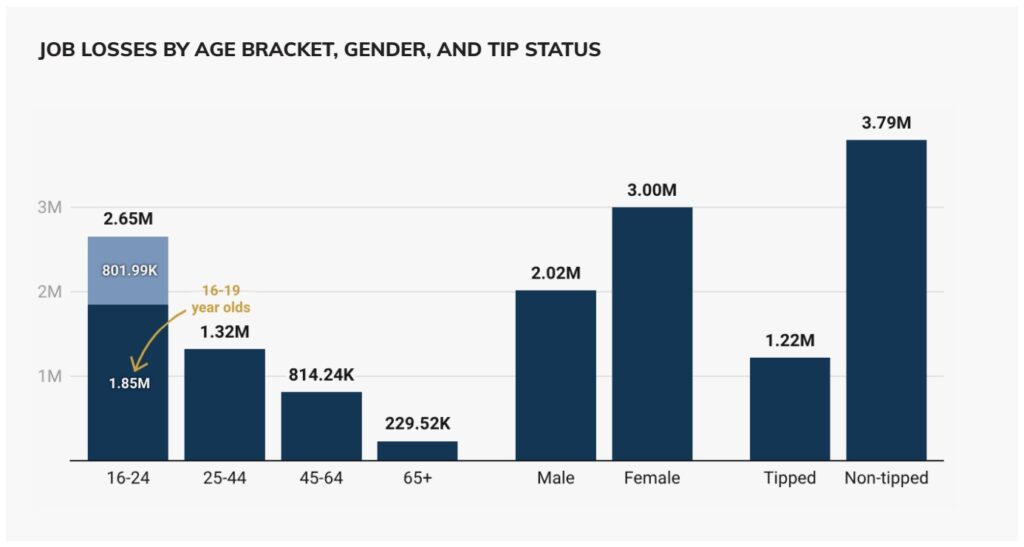
The institute developed a model, based on the research of the Congressional Budget Office and other American labor economists, to estimate the effects of a minimum wage increase. The model estimated that the $25/hour proposal will cost 5.01 million jobs nationally, significantly impacting the hospitality sector, tipped restaurant workers, and teen employees.
It estimated that 3 million female workers would lose their jobs, compared with 2.02 million male workers, and that 3.79 million non-tipped workers would lose their jobs, compared with 1.22 million tipped workers.
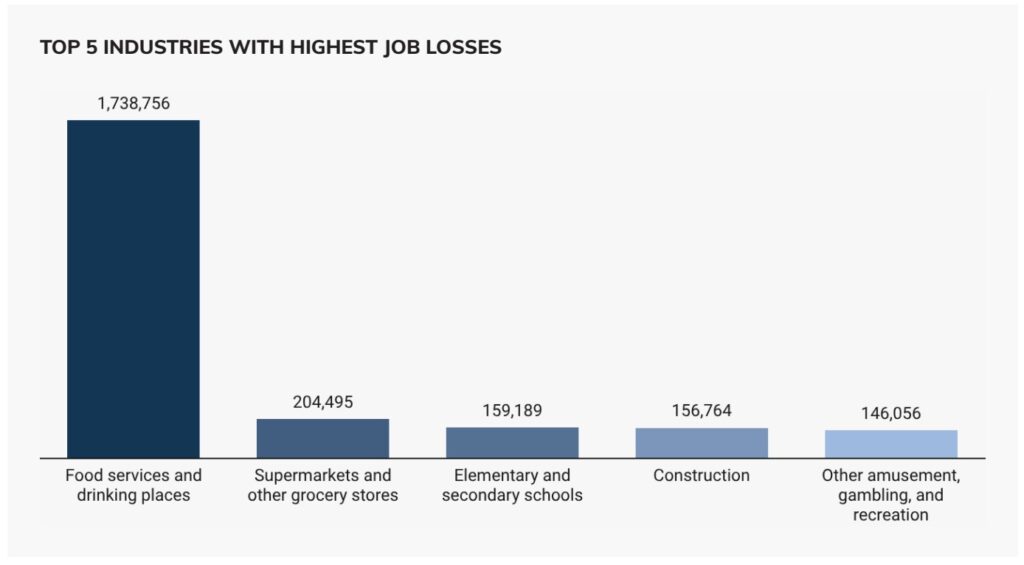
The study estimated that “food services and drinking places” would experience the highest job losses, at 1.7 million. Supermarkets and grocery stores (204,495) placed a distant second, with elementary and secondary schools (159,189), construction (156,764), and general recreation sectors of the economy (146,056) following behind.
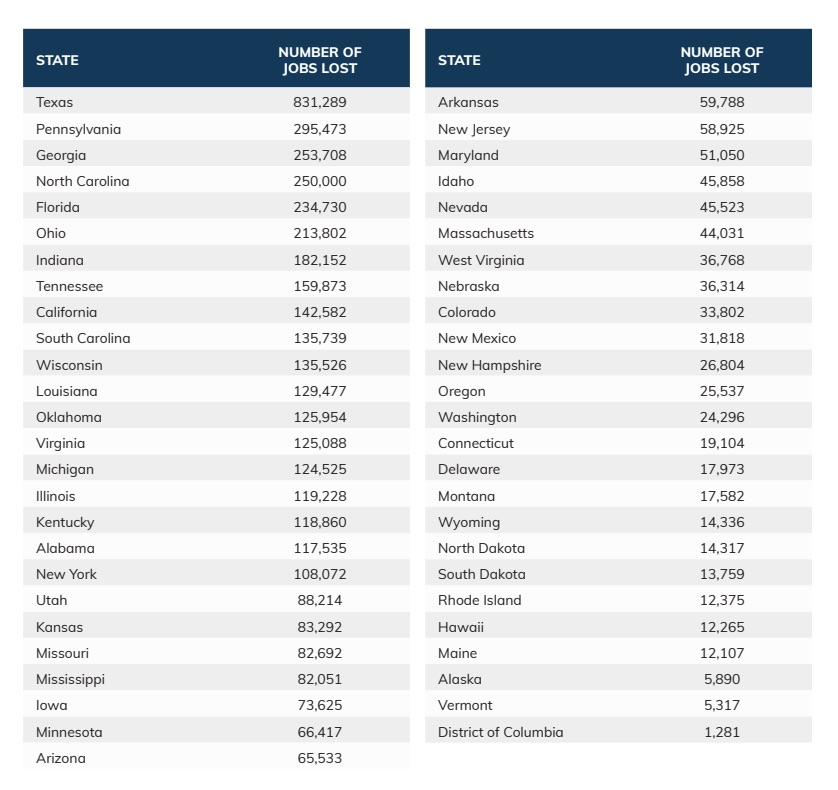
The institute also estimated that high-population states such as Texas, Pennsylvania, Georgia, North Carolina, and Florida would experience the worst job declines, while the policy would least affect low-population states such as Vermont, Alaska, Maine, Hawaii, and Rhode Island.
In addition to raising the federal wage floor, the Living Wage for All Act would also mandate automatic, continued increases of the minimum wage to two-thirds of the national median wage. The Daily Signal reached out to the offices of Ramirez and Murphy for comment, but did not receive a response by publication time.
Economists who oppose minimum-wage hikes often argue that wages function as prices in the labor market, helping employers hire the right people and helping workers decide what jobs work best for them.
These economists contend that government-imposed wage floors can distort these signals and reduce employment opportunities, particularly for low-skill and entry-level workers, especially workers whose key tasks can be automated.
More from this network:
Domains for Sale · GOTPeople.org · TheDSAPlatform · The Truth About Socialism
What's Your Reaction?
 Like
0
Like
0
 Dislike
0
Dislike
0
 Love
0
Love
0
 Funny
0
Funny
0
 Wow
0
Wow
0
 Sad
0
Sad
0
 Angry
0
Angry
0

I am just an average American. My teen years were in the late 70s and I participated in all that that decade offered. Started working young, too young. Then I joined the Army before I graduated High School. I spent 25 years in, mostly in Infantry units. Since then I've worked in information technology positions all at small family owned companies. At this rate I'll never be a tech millionaire. When I was young I rode horses as much as I could. I do believe I should have been a cowboy. I'm getting in the saddle again by taking riding lessons and see where it goes.
Premium domains for sale























Comments (0)