

The Major Move Putting God Back In America’s Classrooms
Premium domains for sale
Freedom Is Back In Style
The Texas State Board of Education voted on new curriculum that requires public schools to teach the historical context of the Bible, impacting more than 5 million public school students.
Freedom Is Back
In Style
Premium domains for sale
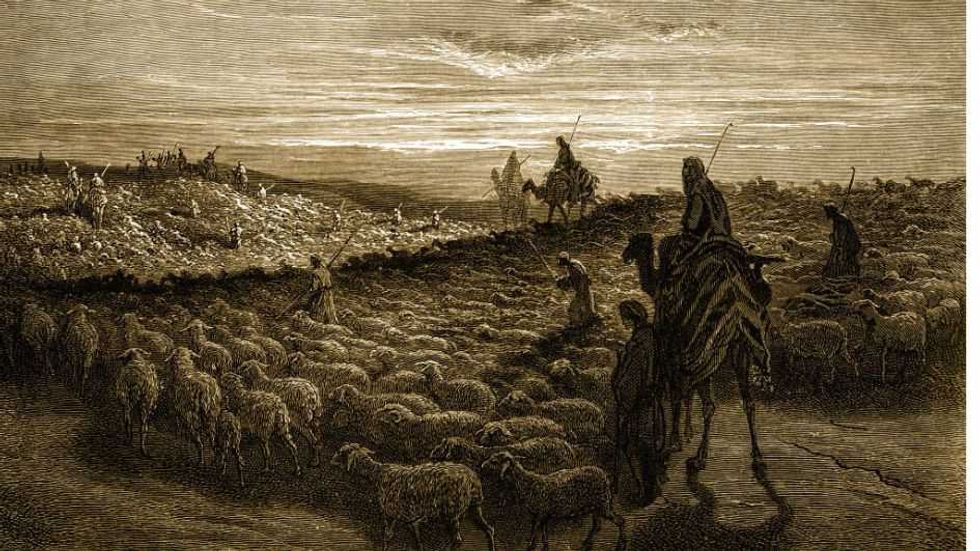
Building on America’s foundation in Judeo-Christian values, Texas wants to include Bible passages along with other classic literature in the K-12 education curriculum. This comes just after Texas won the fight to mandate posting the Ten Commandments in every classroom.
Multiple titles will be mandated at each grade level, including a “picture-book adaptation of the David and Goliath story for elementary students,” and the story of Adam and Eve for older students. Other biblical stories include the Book of Jonah, the Book of Psalms, and excerpts from the Book of Genesis and Lamentations, according to the Guardian. There will also be an increased emphasis on classic literature and culturally significant readings such as Abraham Lincoln’s “Gettysburg Address.”
The board of education gave its final approval to the curriculum during Friday’s vote.
This new curriculum is based on “a 2023 Texas law requiring state education officials to designate at least one literary work for every grade level, with the state board expanding on that mandate by recommending multiple texts for each grade,” The Guardian reported.
The decision has led to both praise and criticism.
Parents in favor of the new curriculum believe that it will help students better understand the Judeo-Christian values that founded the nation and Western history.
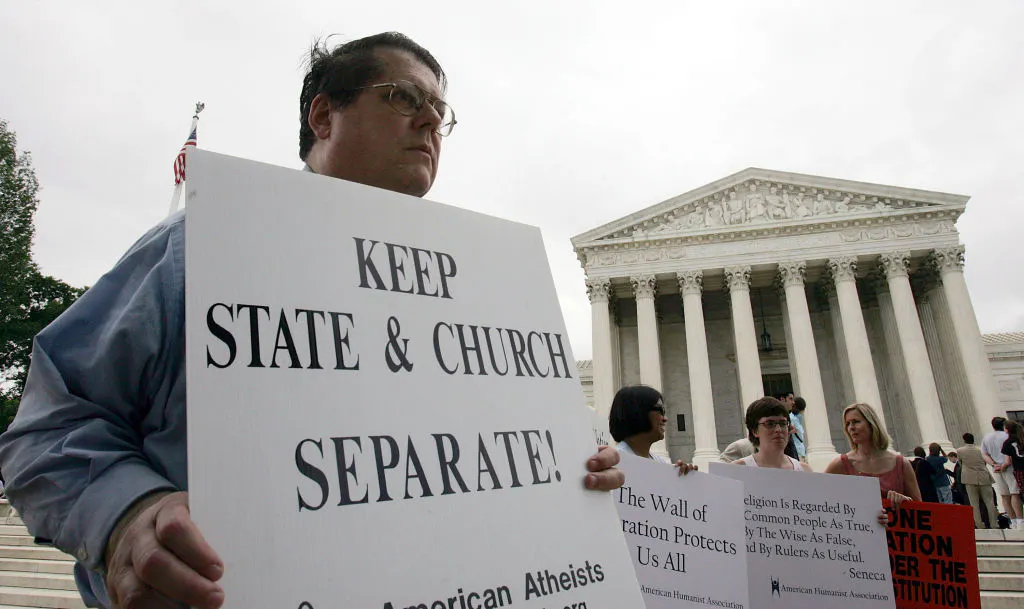
Those opposed claim it will be a violation of the separation of church and state. Saying the curriculum lacks diversity and favors Christianity over other faiths, they complain it will “infringe on parents’ ability to lead their children’s religious education … particularly in non-Christian households.”
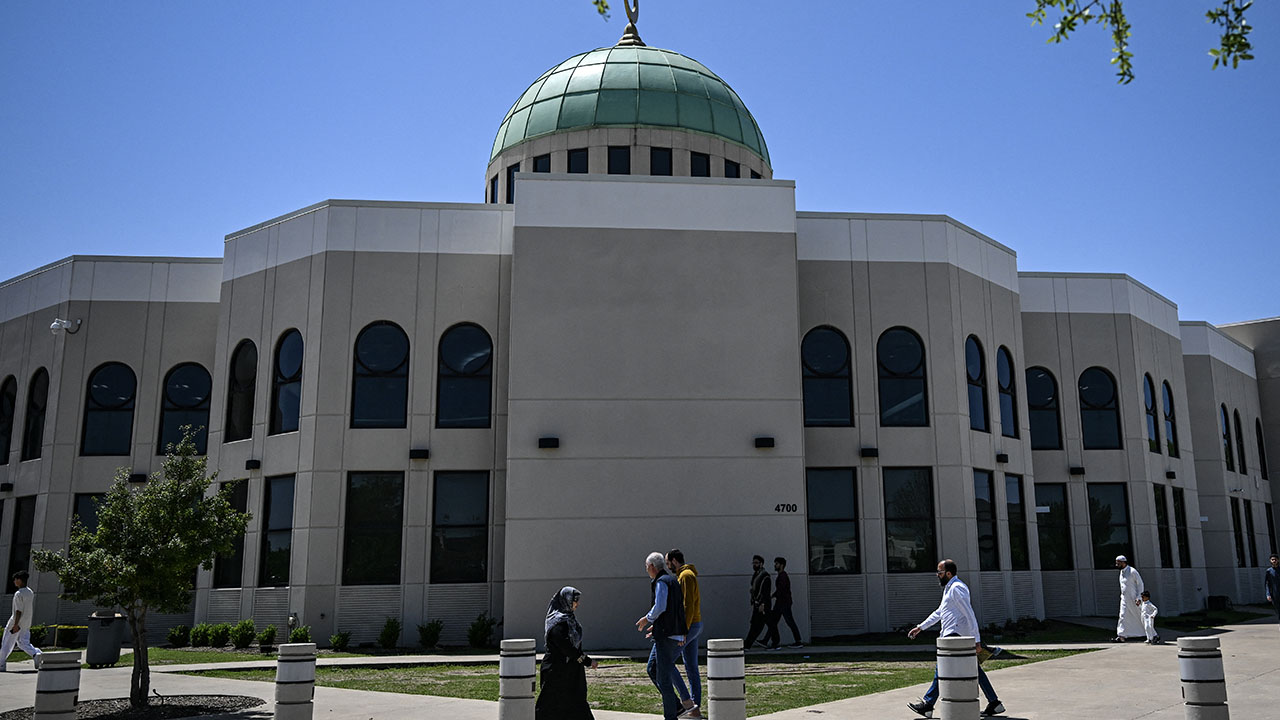
However, many public schools already teach stories tied to the Hindu and Islamic faiths despite the fact that there is a “church and state separation.”
Policymakers have assured parents that the curriculum is not teaching a religion, but providing historical context within the state education code already requiring K-12 to teach “religious literature, including the Hebrew Scriptures (Old Testament) and New Testament, and its impact on history and literature.”
Susan Perez, founder of a Christian parent advocacy group, Citizens for Education Reform, argued in Monday’s school board meeting that not every religious belief needs to be incorporated into public school education because “our nation was founded on Judeo-Christian values.”
More from this network:
Domains for Sale · GOTPeople.org · TheDSAPlatform · The Truth About Socialism
What's Your Reaction?
 Like
0
Like
0
 Dislike
0
Dislike
0
 Love
0
Love
0
 Funny
0
Funny
0
 Wow
0
Wow
0
 Sad
0
Sad
0
 Angry
0
Angry
0

I am just an average American. My teen years were in the late 70s and I participated in all that that decade offered. Started working young, too young. Then I joined the Army before I graduated High School. I spent 25 years in, mostly in Infantry units. Since then I've worked in information technology positions all at small family owned companies. At this rate I'll never be a tech millionaire. When I was young I rode horses as much as I could. I do believe I should have been a cowboy. I'm getting in the saddle again by taking riding lessons and see where it goes.
Premium domains for sale






















Comments (0)