

The Reality Facing Iranian Women Is Worse Than You Think
Premium domains for sale
Freedom Is Back In Style
There’s a humanitarian crisis taking place in Iran. However, it’s not the news currently making international headlines — it’s far worse.
Freedom Is Back
In Style
Premium domains for sale
Amid internet blackouts, I have the unique opportunity to speak directly with men and women in Iran through my line of work. Through these conversations, I am offered a rare glimpse into the harsh realities facing Iranian citizens, and my heart is burdened by the latest update I received.
They tell me stories of Iranian women, behind prison walls, being abused, silenced, and erased. Detained for boldly raising their voice and fighting for freedom against a brutal regime, these women are enduring unthinkable, dehumanizing acts of violence.
Reports from activists and former detainees explain that women in detention centers are experiencing extreme sexual abuse and violence, resulting in lasting physical and psychological trauma. Some women have even had their uterus removed or have suffered severe intestinal damage requiring surgeries such as the use of a colostomy bag.
The reason behind such abuse? Extreme religious doctrine.
According to human rights reports and firsthand testimonies, abuse against Iranian women has been justified by perpetrators using distorted religious reasoning. The most disturbing allegations are claims that these men believe they are considered “blessed” for raping a woman prior to her execution.
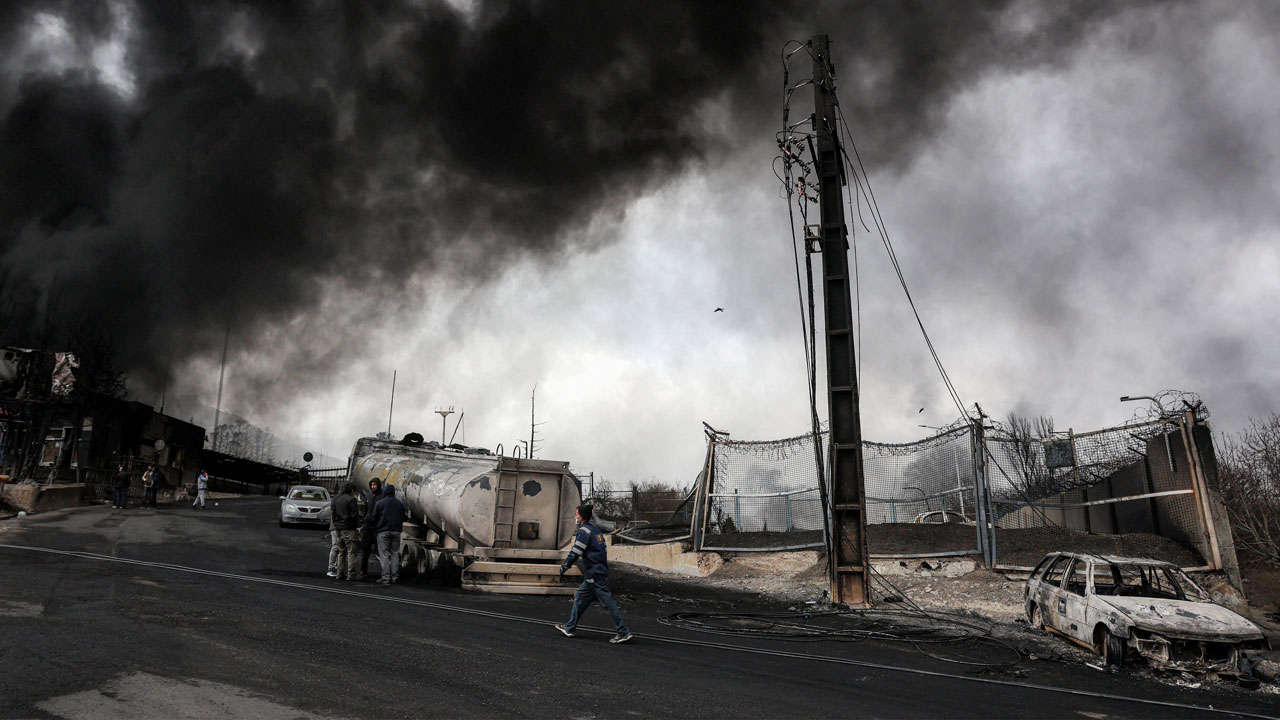
Global headlines may be focused on airstrikes and political moves, but this disturbing reality happening to women — fellow human beings — remains unseen and unaddressed.
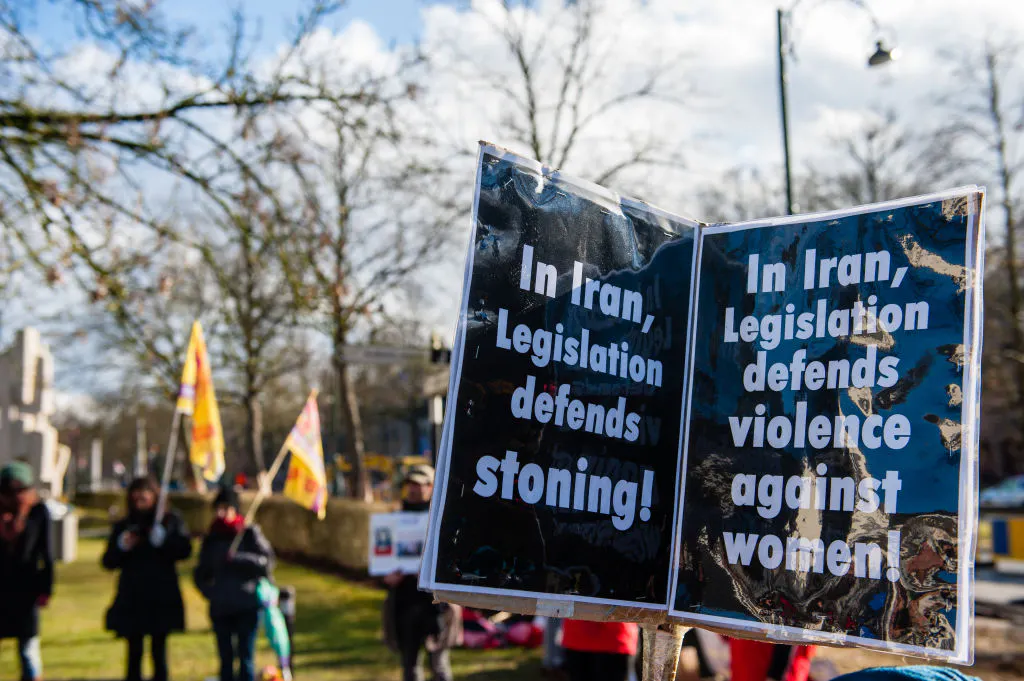
This hidden abuse in detention centers reflects a broader societal issue in Iran, where the lives of young girls and women are marked by deep oppression and suffering. In the eyes of the regime, women are disposable, voiceless, unintelligent, worthless, and less than.
Women in Iran are suffering from horrific abuse. If we truly care about human rights, we as Americans must condemn this violence. And if we value our own freedoms, we must open our eyes to the threat unfolding before us in our very own nation.
These realities of oppression against women all have a common thread: they are accepted and taking place under Sharia-based laws. More importantly, the same radical, dangerous system of thought is infiltrating the West at this very moment, and Americans must take notice.
As an Iranian American woman, my heart breaks for what is happening in my home country. What’s even more unsettling is to witness the recent protests in America against the war in Iran, knowing Iran’s own citizens themselves are desperate for change, even if it means war.
To stand against the war in Iran is to stand with the Iranian regime. Before taking to the streets or rallying behind a cause or a group, it’s important to understand who and what you are supporting.
In Iran, the institution of marriage is steeped in patriarchal traditions that strip women of their freedom. Women must obtain the consent of a male guardian, which is typically their father or another male relative, before they can marry. This requirement not only undermines a woman’s right to choose her partner but also reinforces a troubling hierarchy that places men in control of women’s lives.
The legal framework governing marriage in Iran is alarming. The legal age for women to marry is a mere 9 years old. This practice not only robs young girls of their childhood but also subjects them to lifelong consequences, exposing them to forced marriages, early pregnancies, and a lifelong cycle of physical and emotional abuse.
Polygamy is another stark reminder of the inequality embedded in Iranian family laws. While men can take up to four wives, women are denied the right to have multiple husbands. This creates an unbalanced dynamic, where women are often left vulnerable and without legal recourse in the face of marital discord.
The legal system further compounds these injustices. In divorce proceedings, a woman’s testimony is frequently valued less than that of a man’s, placing her at a significant disadvantage. Women face immense hurdles when seeking divorce, with limited grounds for initiation, while men can unilaterally end a marriage. Custody of children often defaults to fathers after a certain age, further marginalizing women’s roles as caregivers.
Travel restrictions add another layer of control over women’s lives. In a society where women must seek their husbands’ permission to travel or obtain a passport, the very notion of independence becomes a distant dream. Similarly, inheritance laws favor men, with daughters inheriting half of what sons do, reinforcing traditional gender roles and perpetuating economic disparities.
The societal expectations placed on women are equally stifling. Cultural norms pressure women to prioritize marriage and family over personal aspirations, creating a narrative that limits their potential. Temporary marriages, often viewed as a form of legalized prostitution, further exploit women, trapping them in precarious situations where they may feel compelled to sacrifice their dignity for economic survival.
In Iran, women are considered second-class citizens. Across all political, social, and legal systems, women face restrictions in movement, employment, public life, and personal autonomy. These barriers both reflect and reinforce one of the widest gender gaps that we are witnessing in the world today.
Finally, “honor killings” are far too common in Iran. Too many Iranian women and girls have been murdered by male family members for allegedly bringing “dishonor” to their families. While technically illegal, loopholes and cultural factors exist that have led to reduced sentencing for those who fulfill the honor killing.
As an American, I value the freedoms we enjoy, such as freedom of speech and religion. However, as Islam becomes more popular and grows in influence here in America, I worry that the lines between religion and Sharia Law will become blurred.
I understand deeply the great evil that is at the root of Sharia Law, which is the law of radical Islam. The systematic abuse of women in Iran is a direct result of a misguided, cruel, and religiously motivated agenda that seeks to destroy women.
If violence against women is normalized in places like Iran under the protection of Sharia Law, couldn’t these same ideologies and practices appear in the West if left unchecked?
America must remain diligent, proceed with caution, and raise awareness of a system of thought that could quickly and quietly gain support in our nation.
***
Lily Ricci is the director of Partner Relations at Iran Alive Ministries, which uses satellite TV to reach the millions of lost and broken people in Iran and the rest of the Middle East.
More from this network:
Domains for Sale · GOTPeople.org · TheDSAPlatform · The Truth About Socialism
What's Your Reaction?
 Like
0
Like
0
 Dislike
0
Dislike
0
 Love
0
Love
0
 Funny
0
Funny
0
 Wow
0
Wow
0
 Sad
0
Sad
0
 Angry
0
Angry
0

I am just an average American. My teen years were in the late 70s and I participated in all that that decade offered. Started working young, too young. Then I joined the Army before I graduated High School. I spent 25 years in, mostly in Infantry units. Since then I've worked in information technology positions all at small family owned companies. At this rate I'll never be a tech millionaire. When I was young I rode horses as much as I could. I do believe I should have been a cowboy. I'm getting in the saddle again by taking riding lessons and see where it goes.
Premium domains for sale

















Comments (0)