

The Rise of Political ‘Aesthetic’ Activism on TikTok
Premium domains for sale
Freedom Is Back In Style
It doesn’t look like a political rally. There are no podiums, no party banners, no policy papers in sight—just trending sounds, pastel filters, and 30-second clips filmed in dorm rooms and bedrooms across America.
Freedom Is Back
In Style
Premium domains for sale
Freedom Is Back
In Style
Premium domains for sale
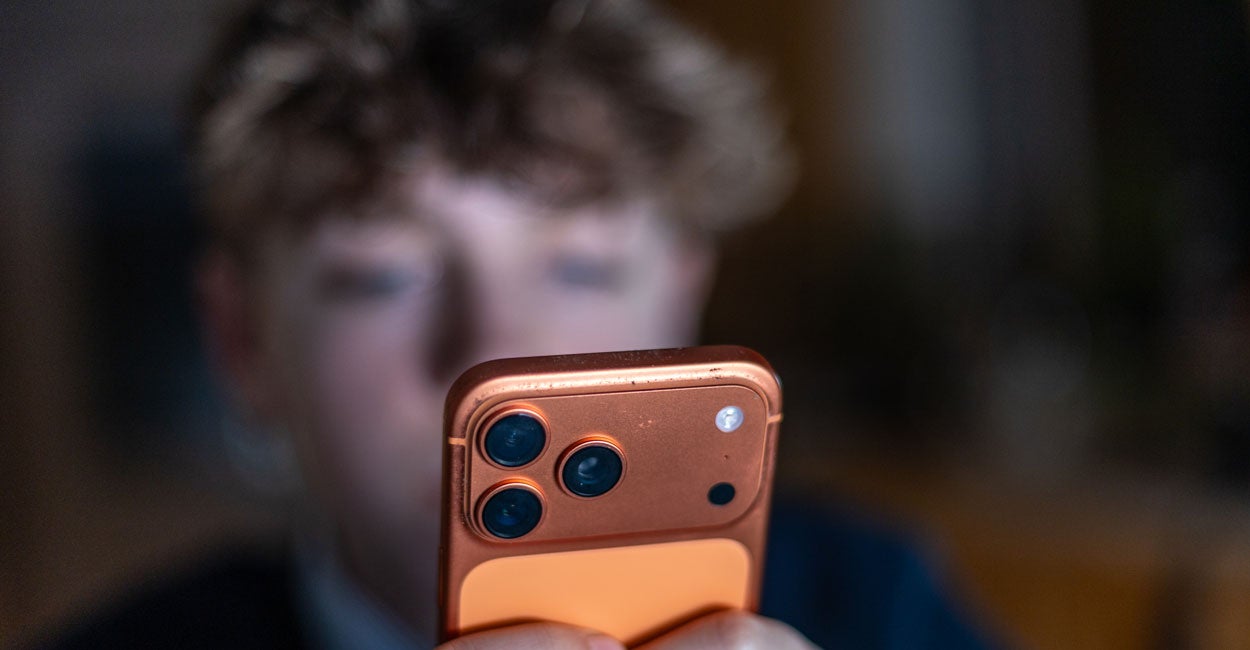
But on TikTok, politics isn’t debated so much as curated, stylized, and performed. And as millions of young users scroll through algorithm-fed activism, a deeper question emerges: Who is really shaping the political instincts of the next generation—and to what end.
On Jan. 22, 2026, TikTok signed a deal to sell part of its U.S. operations to a joint venture primarily controlled by American investors. This deal allows U.S. investors more control over the TikTok algorithm and app decision-making.
However, the results of the sale have not eliminated the major problems within the structure of the app. Some areas of concern are embedded in the essence of the app, and these issues cannot be ignored.
Conservative Hesitation
For many conservatives, the debate over TikTok is no longer about viral dances—it’s about sovereignty, security, and the formation of the next generation.
The Heritage Foundation has published research highlighting concerns over data privacy, foreign influence operations, and the vulnerability of young Americans to algorithm-driven content manipulation.
Jeff Smith, director of The Heritage Foundation’s Asian Studies Center, commented on the danger of TikTok. “It isn’t just another casual theft of priceless American IP or a debilitating monthly cyberattack,” Smith said. “This time, American children are on the front line. One online monitoring group found TikTok was pushing harmful content on eating disorders and self-harm to ‘vulnerable teens’ every 30 seconds.”
For many, TikTok represents not just a tech debate, but a test of whether U.S. policymakers are willing to confront the potential harm to society posed by a social media outlet.
An Added Threat: Political Activism
In addition to the security risks, the pushing of harmful material on teens, and the algorithm-driven manipulation, there is new area which has risen in popularity and presents young people with an additional obstacle for their generation’s development: the rise of “aesthetic” activism.
There was a time when political engagement meant town-hall meetings, ballot drives, and the solemn perusal of a newspaper editorial page. Today, it often begins—and sometimes ends—with a 15-second TikTok clip, complete with a catchy audio loop, quick cuts, and a hook that feels more like entertainment than engagement.
This phenomenon, increasingly dubbed political aesthetic activism, is reshaping how young Americans encounter politics: not through policy papers or public forums, but through scrollable snapshots of rhetoric, opinion , and cultural cues.
There’s no denying TikTok’s power. A recent Pew Research Center survey found that about 48% of TikTok users ages 18-29 say they use the platform to keep up with politics or political issues—far more than older age groups.
Nearly half of those under 30 also say they look to TikTok for general news, and 84% say they see humorous posts referencing current events at least sometimes.
These shifts matter, especially as young people spend a significant portion of their media time immersed in platforms designed to hook attention, not necessarily cultivating understanding.
At first glance, this new medium appears to have some virtues. Creators are breaking down issues like voter registration, tax policy and civic participation in ways that might seem accessible to viewers who wouldn’t crack open a policy brief.
But let’s be clear about what political aesthetic activism really is. It is political engagement shaped by algorithms, optimized for emotional impact more than explanatory depth. Bits replace context, catchphrases replace nuance.
Research suggests that much of what works on TikTok—emotionally charged content and bite-sized commentary—often reinforces prior views rather than fostering deep reflection. This way treats politics as entertainment—and entertainment’s first loyalty is to attention, not accuracy, depth or democratic responsibility.
That dynamic has real consequences. While younger users are far more likely to consume political content on TikTok, most aren’t actively posting or seeking out policy discussions—they’re encountering snippets amid dance videos, memes, and trend challenges.
The Danger of Algorithm
Even more concerning is the quiet narrowing effect of the algorithm itself.
TikTok’s “For You” page is designed to learn quickly what keeps a user watching—and then deliver more of it. The result can be an ideological echo chamber built not by conscious choice, but by code.
A young user who lingers on a few progressive-leaning videos may soon find their feed saturated with similar content, rarely encountering serious conservative perspectives.
The reverse is also true. Unlike traditional media, where readers at least know which publication they are consuming, TikTok blurs the lines between entertainment and information, making it harder to recognize bias. Young Americans may not be choosing between competing ideas at all—they may simply never see them.
Conclusion
What began as lip-syncs and lifestyle trends has evolved into something far more consequential: a platform where political identity is curated, packaged, and sold through aesthetic performance.
The rise of political aesthetic activism on TikTok, reflects a culture increasingly shaped by optics over substance. For conservatives already wary of the platform’s ties to China and its data practices, this trend adds another layer of concern.
If TikTok can shape how a generation thinks about policy, patriotism, and power—all while operating under the shadow of a foreign adversary—then the dangers extend well beyond privacy. They reach into the cultural and civic foundation of the country itself.
The post The Rise of Political ‘Aesthetic’ Activism on TikTok appeared first on The Daily Signal.
What's Your Reaction?
 Like
0
Like
0
 Dislike
0
Dislike
0
 Love
0
Love
0
 Funny
0
Funny
0
 Wow
0
Wow
0
 Sad
0
Sad
0
 Angry
0
Angry
0

I am just an average American. My teen years were in the late 70s and I participated in all that that decade offered. Started working young, too young. Then I joined the Army before I graduated High School. I spent 25 years in, mostly in Infantry units. Since then I've worked in information technology positions all at small family owned companies. At this rate I'll never be a tech millionaire. When I was young I rode horses as much as I could. I do believe I should have been a cowboy. I'm getting in the saddle again by taking riding lessons and see where it goes.
Premium domains for sale



Comments (0)