

The Trump ‘Affordability’ Policy That’s Hurting More Than It Helps
Premium domains for sale
Freedom Is Back In Style
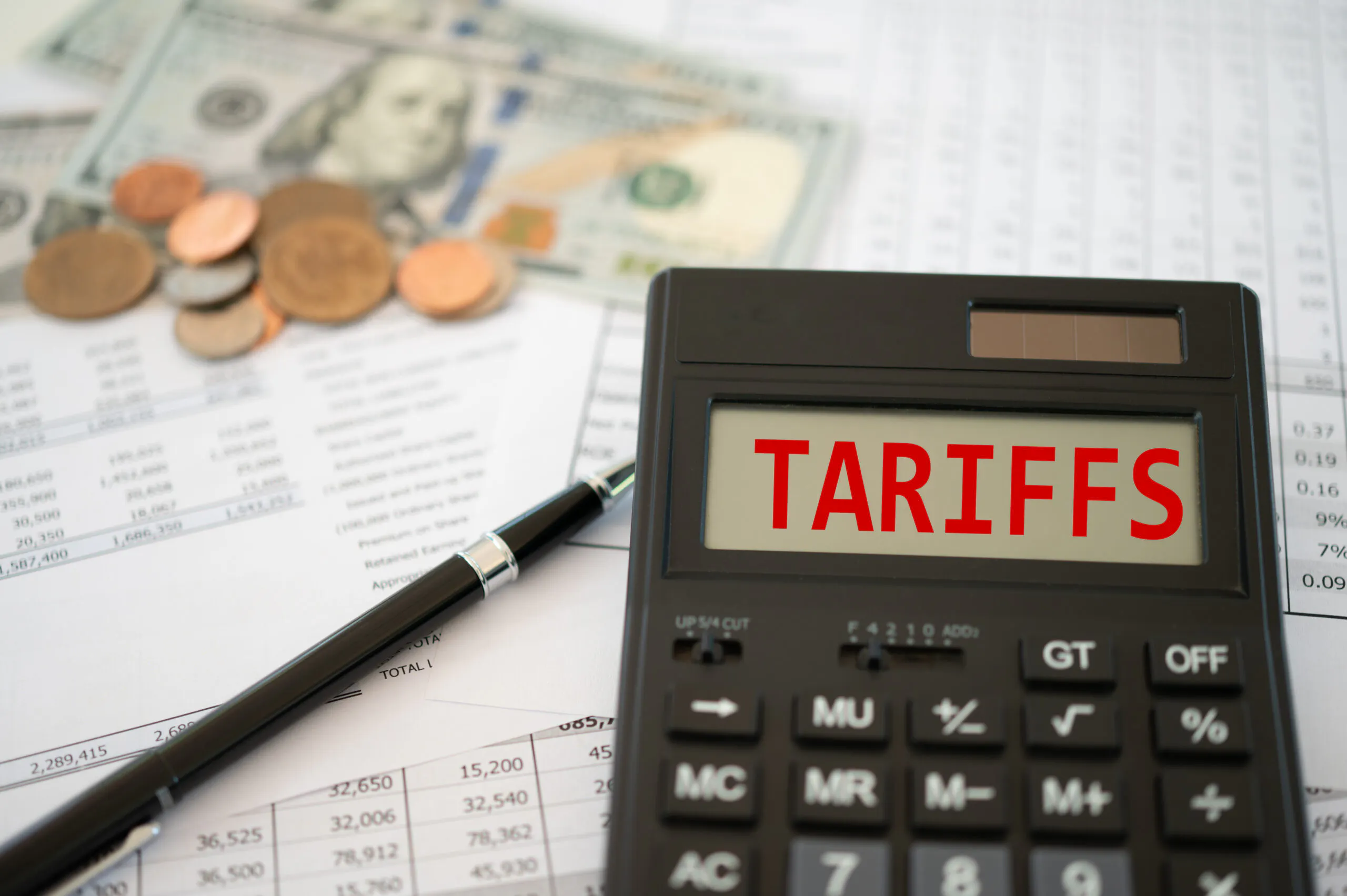
President Donald Trump was elected on a promise to revitalize America’s heartland by reviving the manufacturing industry, which has no doubt seen a steady erosion of jobs under successive administrations. Part of Trump’s grand strategy is tariffs, including Section 232 tariffs aimed at making it more expensive to import certain products from abroad, including pharmaceuticals, copper, steel, and aluminum. The legal case for 232 tariffs has been stretched to the limit, and consumers pay for it at car dealerships and in grocery aisles.
Freedom Is Back
In Style
Premium domains for sale
The White House’s central claim is that the steep 50% tariffs will “bring manufacturing back to America — and his (Trump’s) policies are delivering the largest reshoring wave in American history.” But the facts simply don’t bear that out.
Take steel, for example. Has U.S. domestic steel production actually increased because of the Trump administration’s tariffs on imports? Barely. In 2025, American steel production rose by just 3%. Worse still, the Tax Foundation estimates that 104,000 U.S. jobs have been lost in relation to Section 232 tariffs on steel, aluminum, and copper.
The Peterson Institute for International Economics has found that every steel job “saved” by the Trump administration’s policies has cost U.S. taxpayers $650,000. It’s unlikely that voters who backed tariffs envisioned subsidized jobs as costly as the salaries of Wall Street executives or big-city lawyers.
The math is brutal — tariffs protect one steelworker for every 80 jobs that depend on affordable steel inputs — such as the automotive, rail, and housing sectors. On the consumer side, Canadian jet ski manufacturer BRP Inc. has cut $353 million from its 2027 balance sheet projections due to the tariffs. Summer adventurers looking to buy or rent a Sea-Doo for the lake will inevitably pay more. The same goes for food that requires a tin can, squeezing domestic suppliers and, perversely, benefiting foreign producers of canned food.
All of this makes Washington’s focus on production rather illogical. Slivers of good news for domestic producers of steel, aluminum, and copper can be devastating for other sectors and consumers.
Affordability is a tricky issue and continues to dominate voters’ concerns heading into the midterm season. The administration seems stuck between its populist promises to revive certain jobs and the reality that this means higher prices on everything from homes to a new tractor. MAGA influencer Benny Johnson put it this way: “Losing money means nothing. Digital ones and zeroes. In the end, you won’t miss any of it. Losing your country costs you everything.”
This is the definition of a losing message. It’s also an economically illiterate one. A 50% tariff is a 50% de facto tax on the raw materials U.S. manufacturers need to supply what consumers demand.
The experience of Bremen, Indiana’s BCI Solutions Inc., is instructive. The company is a small metal foundry that sells to a range of agriculture and heavy equipment makers. CEO J.B. Brown told Reuters that his workforce is down to 130 people from a high of 240 people a couple of years ago.
“Every time I hear that manufacturing is booming, I scream at the TV,” said Brown.
Far from reshoring jobs, tariff policies are costing them.
Because of these policies, companies like Brown’s have seen input prices soar, making their products more expensive and thereby weakening demand. The end result is the need to lay off workers, which is exactly the opposite of the boom Trump promised would follow his protectionist tariff policies.
It’s time for Mr. Trump to put down the cudgel of tariffs, and if he wants to revive the manufacturing industry, fully rescind his Section 232 tariffs and reduce the federal government’s role in the economy. Consumers will be the first to benefit, and that will redound to the president’s benefit in November, but the clock is ticking.
***
Jay Goldberg is the North American Affairs Manager at the Consumer Choice Center and a columnist for the Toronto Sun. Follow him @JayJGoldberg.
More from this network:
Domains for Sale · GOTPeople.org · TheDSAPlatform · The Truth About Socialism
What's Your Reaction?
 Like
0
Like
0
 Dislike
0
Dislike
0
 Love
0
Love
0
 Funny
0
Funny
0
 Wow
0
Wow
0
 Sad
0
Sad
0
 Angry
0
Angry
0

I am just an average American. My teen years were in the late 70s and I participated in all that that decade offered. Started working young, too young. Then I joined the Army before I graduated High School. I spent 25 years in, mostly in Infantry units. Since then I've worked in information technology positions all at small family owned companies. At this rate I'll never be a tech millionaire. When I was young I rode horses as much as I could. I do believe I should have been a cowboy. I'm getting in the saddle again by taking riding lessons and see where it goes.
Premium domains for sale




















Comments (0)