

Trump Turns Iran Into China’s Problem and Forces Xi to Choose Between Tehran and Stability
Premium domains for sale
Freedom Is Back In Style
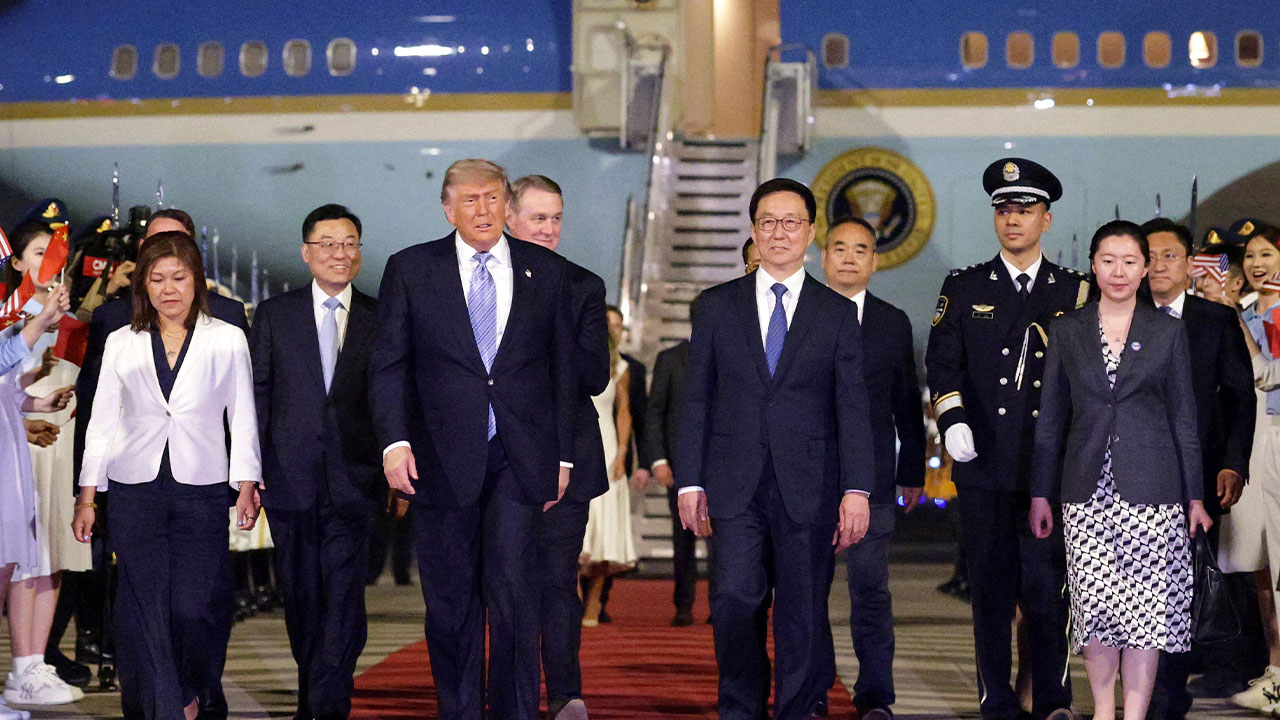
As President Trump is in Beijing today for historic talks with Chinese President Xi Jinping, the Iran war is casting a shadow over the meeting. China wants the world to believe it is a force for peace, open shipping lanes, stable energy markets, lower oil prices, and a responsible global power. But the truth is much uglier, and Beijing is helping to bankroll the very regime threatening the world’s most important energy choke point, the Strait of Hormuz. Trump is openly forcing China’s hypocrisy into view. It is now a test of Beijing’s role in sustaining the instability it publicly opposes. He arrives in China with leverage over a contradiction Xi has tried to hide.
Freedom Is Back
In Style
Premium domains for sale
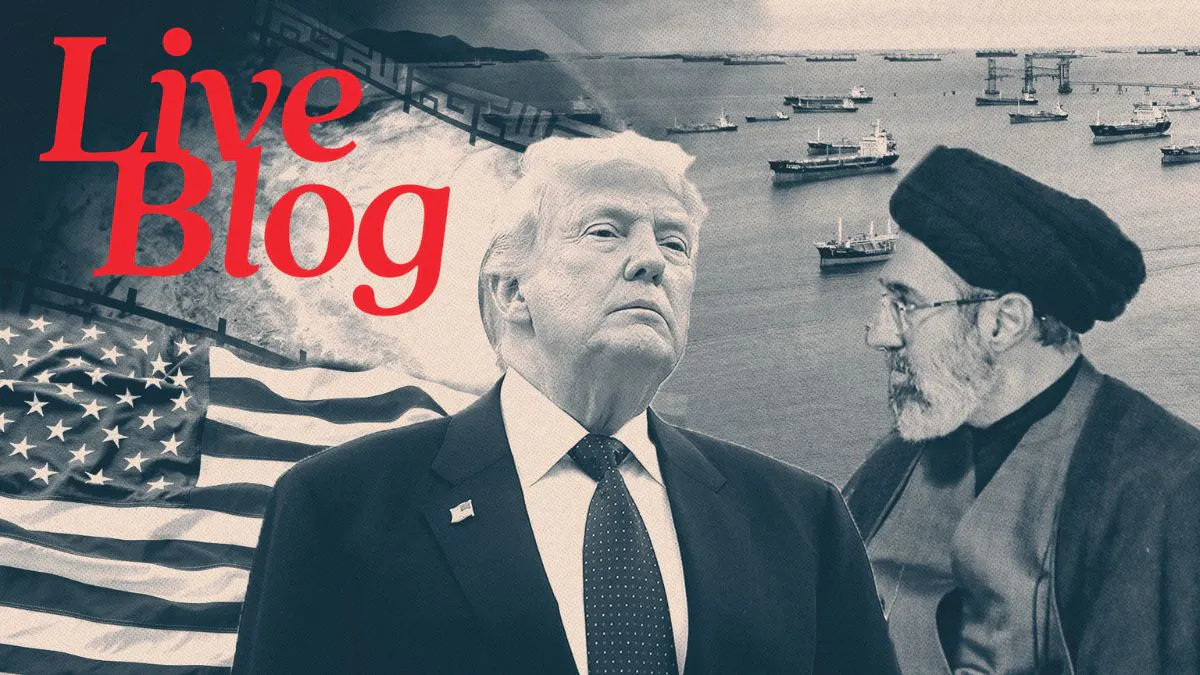
The test is critical as Iran stalls during peace talks. Trump called Iran’s most recent proposal “totally unacceptable” because it was not a peace offer; it was a list of demands to end the blockade, lift sanctions, and preserve Tehran’s leverage over the Strait of Hormuz. Once again, we are watching a weakened regime try to bluff from a position of strength. The U.S.-Iran ceasefire is on life support, and the message is clear from Trump: If Beijing wants calmer energy markets and protected shipping lanes, it must stop underwriting a regime that threatens both.
Beijing has spent years playing both sides. It wants uninterrupted access to Gulf energy, freedom of navigation, and all the economic benefits of regional order. At the same time, it treats Iran as a useful anti-American partner by helping Tehran evade U.S. sanctions, sustain its destabilizing activity across the Middle East, and, in return, secure deeply discounted Iranian oil.
While the China-Iran relationship is not a formal alliance, an official document is not required to see what the United States already knows. China is Iran’s largest trading partner and the primary purchaser of Iranian oil, accounting for roughly 90% of Iran’s exported crude and providing Tehran with billions in revenue.
China’s relationship with Tehran directly conflicts with America’s mission to restore global stability. It continues to benefit economically while the U.S. absorbs the security costs. Trump is changing that equation.
This moment is unique because Trump is directly turning Tehran into a China problem. If freedom of navigation is not restored and the Strait of Hormuz remains unstable, Beijing can no longer hide behind slogans about peace while bankrolling the regime putting the global economy at risk. China may not care about America’s interest in restoring order, but it cares about its own growth, energy security, and economic stability.
For years, Beijing enjoyed a free ride in the Middle East. The United States absorbed the terror, security, and military shocks, while China collected the economic benefits and expanded its regional influence. Trump is ending that arrangement and calculates that China will bend, given its security is on the line. Historically, China acts when its own energy security and commercial stability are threatened. In 2008, when piracy endangered Chinese petroleum imports from the Middle East and trade routes to Europe and North Africa, Beijing deployed naval escort missions to protect shipping. The Strait of Hormuz now presents the same test on a far larger scale.
Trump’s visit to China today is also a call to policymakers in Washington to recognize that the Iran war is a broader power struggle with Beijing and not an isolated Middle East conflict. Every move China makes, from China-based entities supplying drones and missiles and satellite imagery that enabled Iranian strikes, to U.S. intelligence showing Beijing was preparing to transfer a new air-defense system during the conflict, shows the clear fight.
If Beijing wants the benefits of stability, it must stop financing Tehran. It can either use its leverage over Iran to help force peace, or it will face a Trump pressure campaign that no longer lets China profit from chaos at America’s expense.
More from this network:
Domains for Sale · GOTPeople.org · TheDSAPlatform · The Truth About Socialism
What's Your Reaction?
 Like
0
Like
0
 Dislike
0
Dislike
0
 Love
0
Love
0
 Funny
0
Funny
0
 Wow
0
Wow
0
 Sad
0
Sad
0
 Angry
0
Angry
0

I am just an average American. My teen years were in the late 70s and I participated in all that that decade offered. Started working young, too young. Then I joined the Army before I graduated High School. I spent 25 years in, mostly in Infantry units. Since then I've worked in information technology positions all at small family owned companies. At this rate I'll never be a tech millionaire. When I was young I rode horses as much as I could. I do believe I should have been a cowboy. I'm getting in the saddle again by taking riding lessons and see where it goes.
Premium domains for sale








Comments (0)